
Last updated November 15, 2026
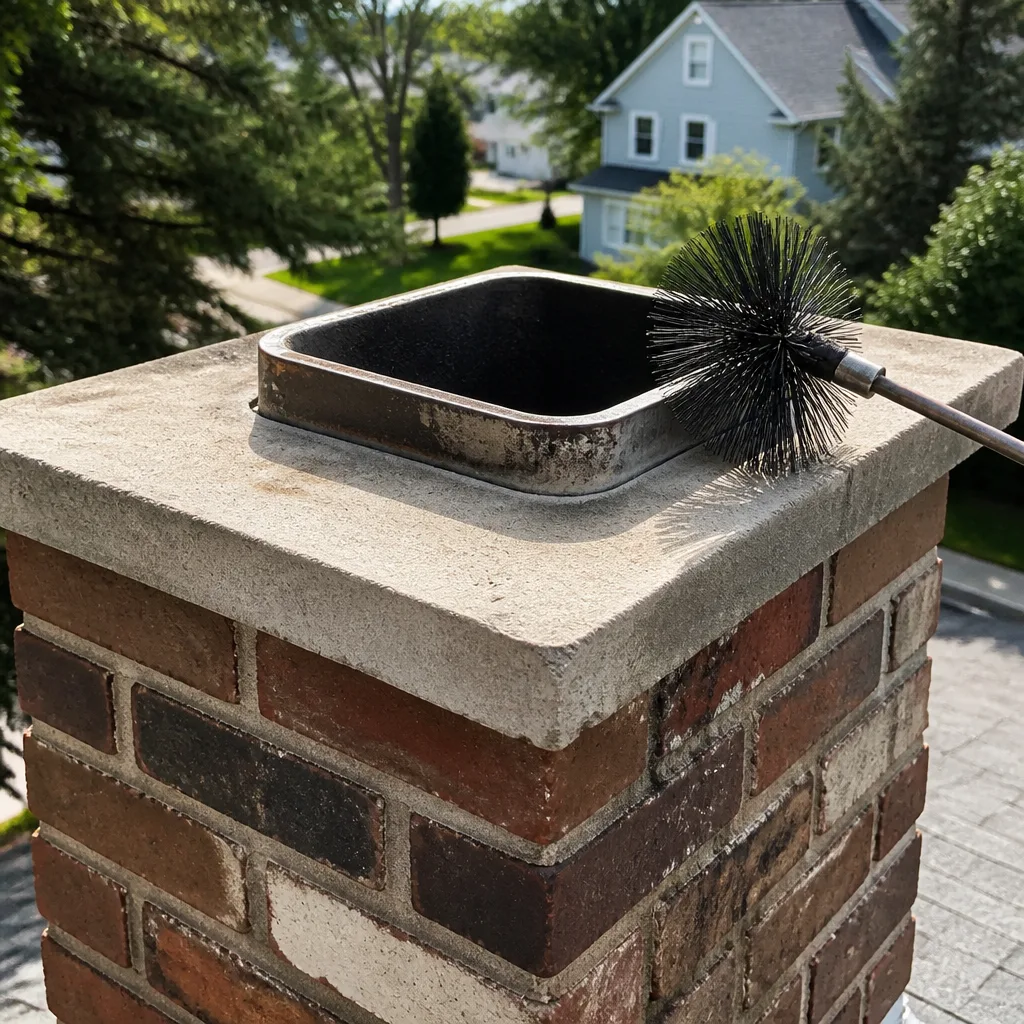 Sweep & inspection
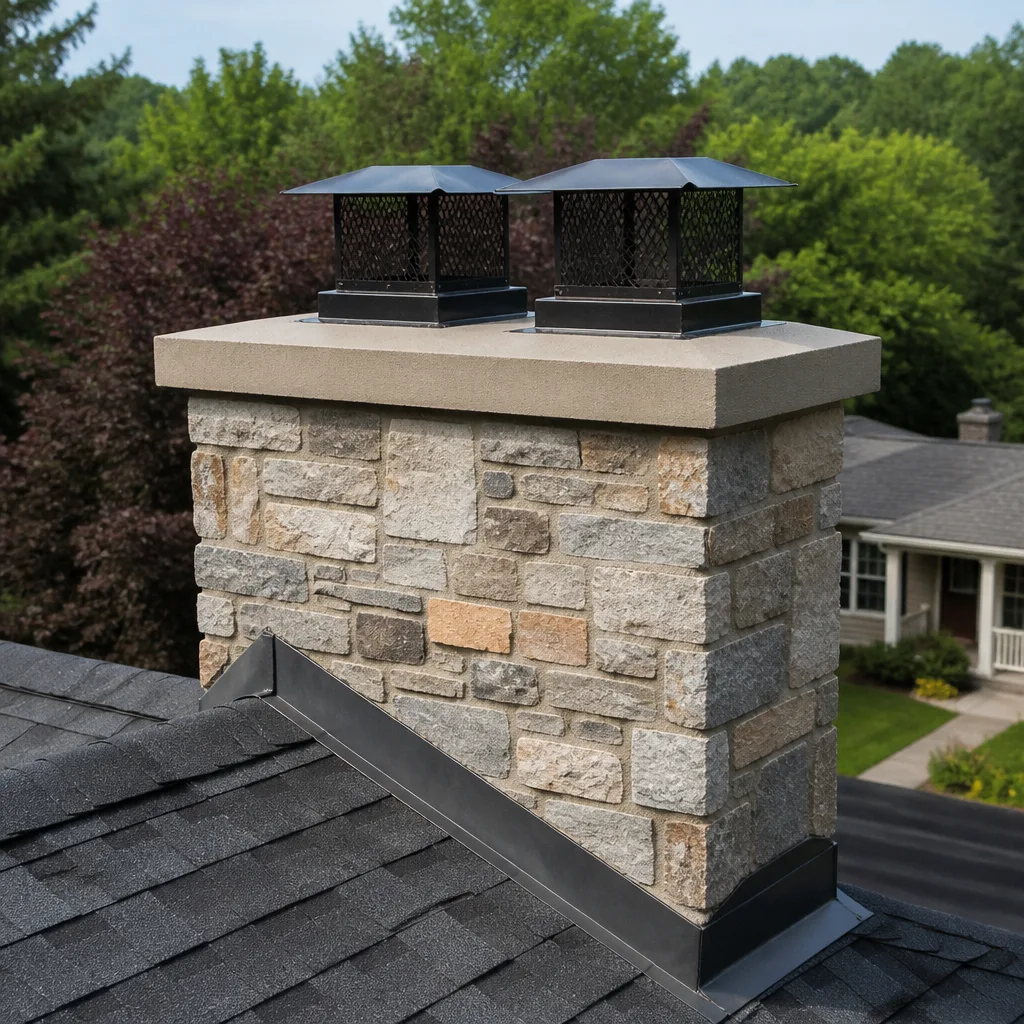 Caps & crowns
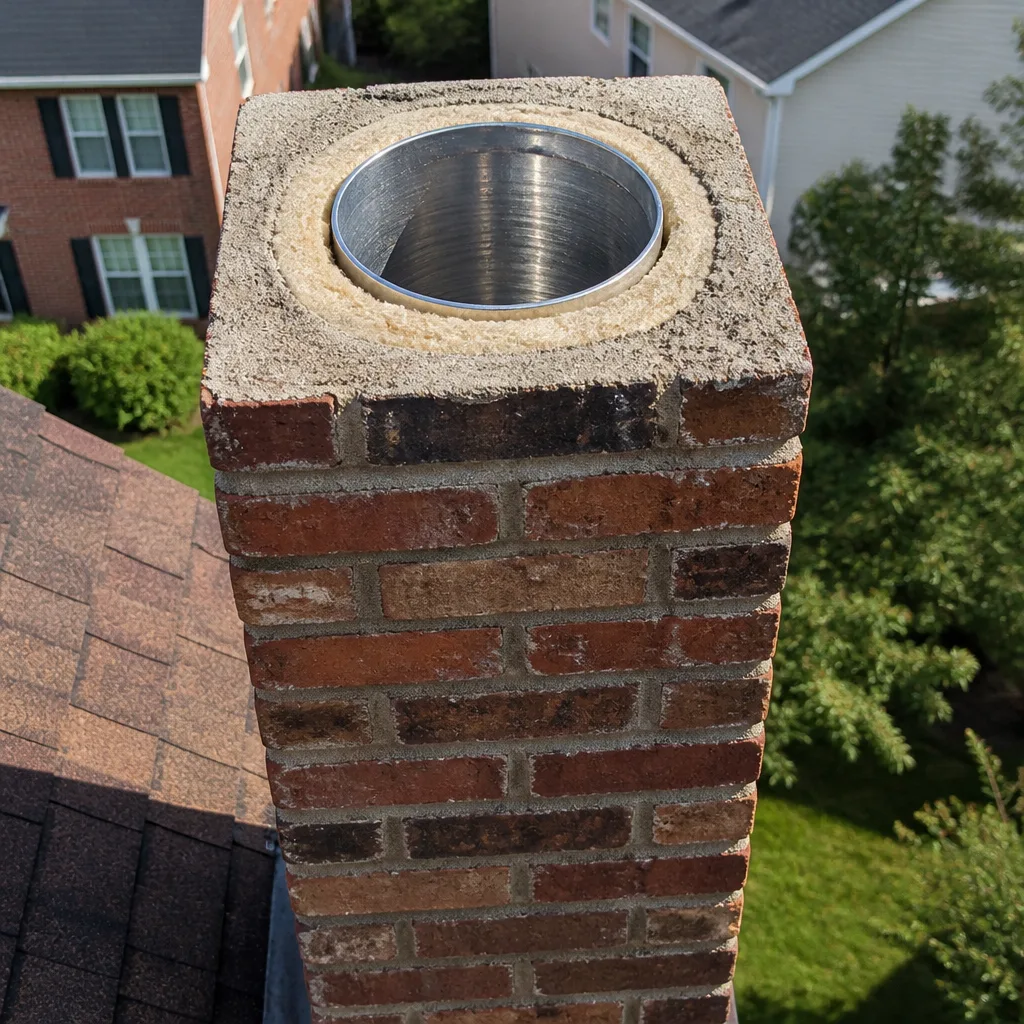 Flue relining
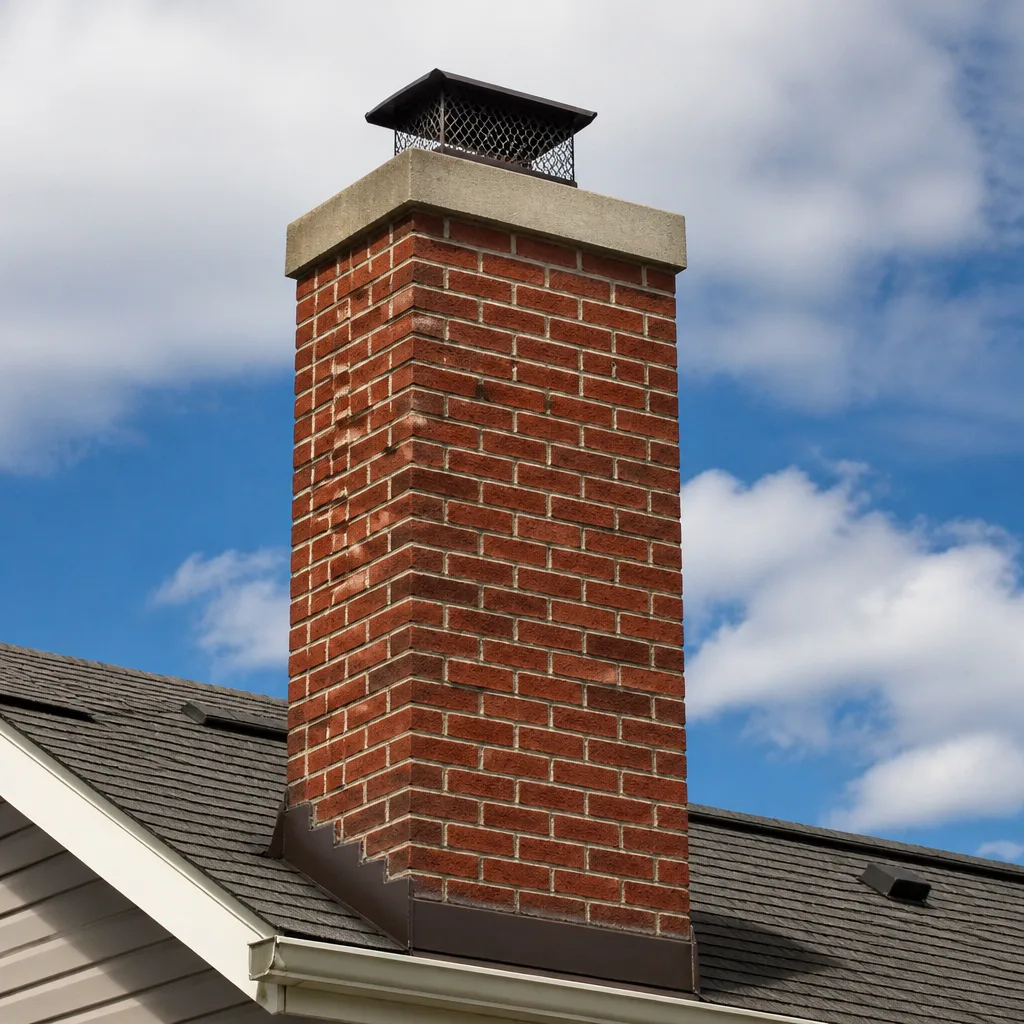 Masonry repair
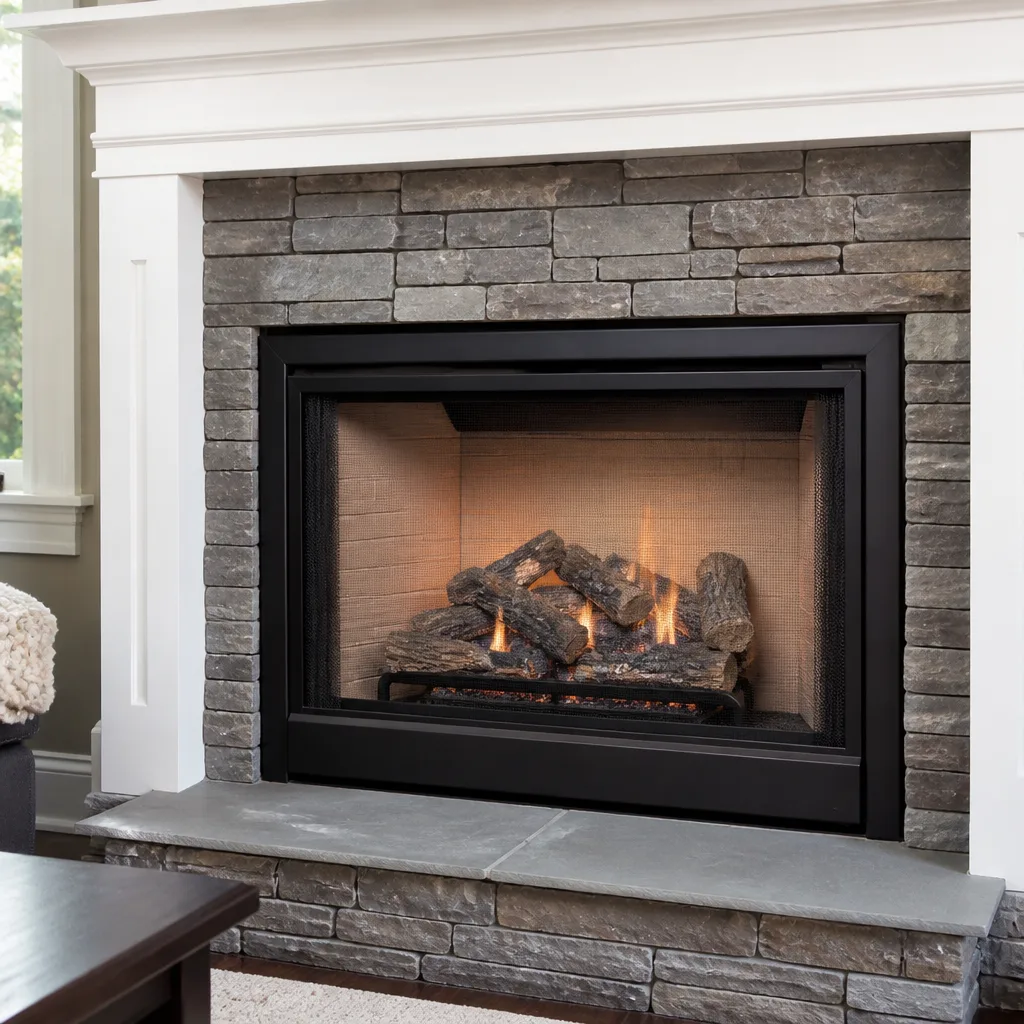 Gas fireplace service
Level 1 sweep and inspection to the NFPA 211 annual standard - flue, crown, cap, and flashing checked and photographed
Chimney sweep logs do not sweep chimneys. They loosen some creosote - which then falls where a brush and vacuum still have to collect it.
Chimney Sweep Maintenance Schedule: What to Do and When
A homeowner who burns two cords of wood a season needs a very different maintenance schedule than one who lights the fireplace six times a year. Yet most chimney companies sell both households the same annual sweep. That blanket rule is convenient for the company and wrong for the chimney. The right schedule depends on how much you burn, what you burn, what kind of liner you have, and how Arvada’s freeze-thaw cycle works on the masonry. This guide builds a maintenance calendar around your actual use, not a generic reminder card. You’ll get a decision matrix, a spring inspection window for Arvada, and the mid-season warning signs that mean you don’t wait for your scheduled appointment.
Quick Answer
Sweep a wood-burning chimney based on how much you burn: roughly every cord of wood, or once a year for light use, whichever comes first. Inspect every chimney annually regardless of use, and schedule that inspection for spring or early summer in Arvada so masonry damage is caught before monsoon rains. Gas fireplace inserts need less frequent sweeping but still need an annual inspection of the venting and the firebox.
Styles & brands we work with
- Sweep & inspection
- Caps & crowns
- Flue relining
- Masonry repair
- Gas fireplace service
Table of Contents
- The Decision Matrix: Burn Frequency and Fuel Type
- Wood-Burning Chimneys: Setting Your Sweep Interval
- Gas Fireplaces Run on a Different Clock
- Why Spring Is the Inspection Window in Arvada
- Freeze-Thaw and What It Does to Arvada Masonry
- What You Can Check and What You Shouldn’t Touch
- Mid-Season Signs You Shouldn’t Wait
- Keeping Records That Matter at Resale
The Decision Matrix: Burn Frequency and Fuel Type
Start with an honest count of how you actually use the fireplace. Not how you intend to use it. The number of fires per season, the type of fuel, and the appliance itself all shift the schedule. Here’s how we’d map it.
| How you use it | Fuel | Suggested sweep | Suggested inspection |
|---|---|---|---|
| Ambience only, a handful of fires per season | Seasoned wood | Every 2 years, or once creosote reaches 1/8 inch | Annually |
| Regular evening burning, under one cord | Seasoned wood | Annually | Annually |
| Primary heat, one to two cords | Seasoned wood | Every cord, roughly twice a season | Annually, spring |
| Heavy use, two or more cords | Seasoned wood | Every cord, three or more times a season | Annually, plus a mid-season look |
| Gas insert or gas log set | Natural gas or propane | Per manufacturer schedule; often every 2-3 years | Annually |
The variable people underestimate is creosote accumulation rate, and that comes down to how hot and how complete the burn is. A slow, smoldering fire on unseasoned wood builds creosote far faster than a hot fire on dry wood, even with the same number of fires. So the same chimney in the same Arvada house can need three sweeps one winter and one the next, depending on the wood supply that year.
If your fireplace is your main heat source through a Colorado winter, treat the sweep interval as a function of cords burned, not calendar months. One cord is roughly a full pickup truck load stacked. When you’ve finished a cord, that’s your prompt to call for a chimney sweep.
Wood-Burning Chimneys: Setting Your Sweep Interval
Sweep before creosote builds to a thickness that changes how the flue drafts. Most professionals use an eighth of an inch as the working threshold. Past that, draft suffers and the risk of a chimney fire rises. If you can see a textured, glazed layer inside the flue when you shine a light up from the firebox, that’s not the surface you want going into another season.
Here’s how to set your own interval:
- Track your wood use in cords burned, not just nights lit. A cord consumed is a natural checkpoint.
- Look up the flue with a bright flashlight once a month during burn season. Any visible buildup beyond a light dusting is your cue.
- Note any change in draft. A fire that used to catch quickly and now smolders is telling you the flue is restricted.
- Book the sweep when you’ve finished a cord, when the flue looks coated, or when draft weakens, whichever comes first.
- Sweep at the end of the burn season, not the start. You want the corrosive byproducts of a winter’s burning cleaned out of the flue before humid summer air sits against them.
That last point matters more in Arvada than in drier climates. Summer moisture in the flue combined with leftover creosote and ash accelerates corrosion of the liner and the mortar. Cleaning at the end of the season leaves the flue dry and neutral through the summer. Cleaning at the start leaves the byproducts sitting there all summer, quietly working on the metal and masonry.
If you’ve never had a sweep look at the system, one visit sets the baseline. Our technicians have up to experience reading liner condition through a camera inspection, and that first report tells you whether your interval should be annual or twice-yearly going forward.
Gas Fireplaces Run on a Different Clock
A gas insert produces no creosote, so the sweep schedule you use for wood doesn’t apply. What does apply is an annual inspection of the venting, the firebox, and the burner. Gas appliances can develop soot or debris in the flue, and the venting can work loose or corrode. None of that shows up as a smoky smell the way a wood chimney problem does.
Think of a gas fireplace as having three separate maintenance threads:
- Combustion check: verify the flame pattern is clean and the burner isn’t clogged. A yellow, lazy flame on a gas appliance can indicate incomplete combustion. That’s a safety issue, not a cosmetic one.
- Venting inspection: confirm the flue or direct-vent pipe is sealed, supported, and clear. A disconnected gas flue is a carbon monoxide concern, and it’s the single most important reason to keep the annual gas inspection on the calendar.
- Firebox and glass: clean according to the manufacturer, check the gaskets, and look for cracks or warping in the firebox panels.
Most manufacturers spell out a service interval for their gas appliance, and that schedule should win over anything generic. Gas inserts get skipped routinely because they’re clean, quiet, and easy to forget. The annual inspection is the part that protects the household.
Why Spring Is the Inspection Window in Arvada
Arvada sits at the edge of the plains where the foothills start climbing, and the weather pattern here rewards a spring inspection. The logic is simple: the heaviest burning season ends, the masonry has just been through a full winter of thermal cycling, and monsoon season is still a couple months away. Inspecting in that window gives you time to schedule and complete any chimney repair before the summer storms arrive.
Here’s the case for a spring inspection, laid out:
- Winter has just finished stressing the masonry through repeated freeze-thaw cycles. That’s when new cracks and spalling show up.
- You’ve finished the season’s burning, so the flue and firebox reflect the true condition of the system under load.
- Summer rains are still ahead. Repairs made in spring are cured and complete before water gets a chance to find the new cracks.
- Contractors have more scheduling room in spring than in the pre-winter rush, so the job gets done without a scramble.
- Any liner or crown work can be completed well before you need the fireplace again.
The alternative, inspecting in fall, means any repair competes with the cold and with everyone else who just realized their fireplace is due. Every year we hear about homeowners who discovered a problem in October and spent the first cold weeks of the season waiting on a repair. Spring inspection eliminates that particular headache.
Freeze-Thaw and What It Does to Arvada Masonry
Arvada’s climate is hard on exterior masonry in a specific way. Water gets into hairline cracks in the chimney’s mortar or crown, then freezes overnight and expands. The expansion widens the crack, more water gets in, and the cycle repeats through the winter. A chimney that looked fine in September can have significantly widened joints by March.
What to look for on a post-winter walk-around:
- Crown cracks: the concrete cap at the top of the chimney should slope away from the flue and be free of cracks. A cracked crown lets water run straight down into the masonry.
- Spalling brick: brick faces that are flaking, peeling, or popping off are telling you moisture has been cycling through them.
- Crumbling mortar joints: the mortar between bricks should be intact and slightly recessed. Soft or missing mortar means the joints are failing.
- White staining: a powdery white deposit on the brick is a sign that moisture is moving through the masonry.
- Rust or water stains on the firebox or damper: that’s moisture getting where it shouldn’t.
When a flue needs more than a sweep, we use HeatShield for resurfacing and liner repair, a ceramic repair system designed to restore flue integrity rather than patch over it. For a full relining, DuraFlex flexible liner systems give a documented, warrantable, code-compliant solution. Detailing the right repair is the point of the spring inspection: a hairline crack in the crown caught in April is a small fix. The same crack after a summer of monsoon rain and another winter’s freeze is a different job entirely.
What You Can Check and What You Shouldn’t Touch
Some of the maintenance calendar belongs to you. Some of it belongs to a trained professional, and there’s no reason to blur the line. The distinction is about location and risk. Anything reachable at eye level and not under tension is fair game to inspect yourself. Anything that involves getting on the roof, opening the firebox beyond the door, or reaching into the flue needs a professional.
Homeowner tasks, done at least monthly during burn season:
- Cap and screen: look for the chimney cap from the ground and make sure the screen isn’t clogged with debris or bird nests. A blocked screen kills draft and can push smoke back into the house.
- Damper operation: open and close the damper to confirm it moves freely and seals. A damper that sticks open wastes heat and lets cold air down the flue when the fireplace is idle.
- Firebox visual check: look for cracked firebrick, missing mortar, or a warped grate.
- Creosote glance: shine a flashlight up the flue with the damper open and confirm the buildup hasn’t climbed past the eighth-inch mark.
- The draft test: light a small fire and watch the smoke. If it rolls out instead of drafting up, stop and call.
Professional tasks that belong on the annual calendar:
- Full flue sweep with a camera inspection and a report on liner condition.
- Draft measurement under real conditions, not a quick visual.
- Creosote evaluation at depth in the flue, past where your flashlight reaches.
- Evaluation of the crown, flashing, and masonry from the roof.
- Any repair or relining work, including resurfacing.
The point of the homeowner checks isn’t to save money on the sweep. It’s to catch the obvious problems between sweeps so you aren’t surprised at the next appointment. A cap that’s been blocked for two months shows up as poor draft and a smoky house. You can spot that in five minutes.
Mid-Season Signs You Shouldn’t Wait
A scheduled appointment is a plan, not a promise that nothing changes between now and then. Some signs mean you call ahead of that appointment. Here’s what should push the schedule up:
- Smoke backing into the room: poor draft, likely a blocked flue or a failing damper. Don’t burn until it’s checked.
- A strong, acrid smell even when no fire is lit: that’s often creosote off-gassing. It doesn’t always mean the flue is loaded, but it’s worth a look.
- Visible glazed or bubbled creosote: glaze-stage creosote is a chimney fire risk and requires professional removal, not another match.
- Pieces of mortar or brick in the firebox: something in the chimney structure is failing. Stop burning.
- A roaring, crackling sound during a fire that isn’t the fuel: that’s the sound of a chimney fire. Get out, call the fire department, and don’t use the fireplace again until it’s inspected.
Chimney fires aren’t always dramatic. In our experience, many are quiet, contained events that the homeowner never realizes happened until a sweep finds the damage. That’s the argument for sticking to your interval and not pushing the appointment into next season. A clean flue is a safe flue, and the inspection documents both. For homeowners in Arvada, that documentation is the reason to schedule the sweep before you think you need it.
Keeping Records That Matter at Resale
Maintenance records do more than jog your memory. When you sell a house, or when an insurer asks for proof of upkeep, a documented service history can answer questions before they become problems. Chimney condition is a routine item on a home inspection, and a file showing annual sweeps and inspections is far more useful than a blank history.
Keep these documents on hand:
- Sweep and inspection reports with the date and the technician’s findings for each visit. Camera photos where available.
- Repair records, including brand and product for any liner or resurfacing work. HeatShield and DuraFlex installations leave a documented trail, and that paperwork matters when a buyer or an insurer asks.
- Gas appliance service records with the manufacturer’s recommended interval noted.
- Any pest or bird removal from the flue or cap, and the date of any cap replacement.
The long game is simple. A maintenance calendar that reflects how your chimney is actually used, an inspection in the right season, and a file of the work done over the years. That’s what keeps a system serviceable and verifiable over the life of the house.
Common Mistakes to Avoid
- Following the annual rule no matter how much you burn. A household burning two cords a season and one burning a few evening fires share nothing but the calendar. Let the burn rate set the interval.
- Inspecting in fall instead of spring. By the time fall arrives, any repair you find has to happen in a hurry, with a cold house waiting. Inspect in spring and fix on your own schedule.
- Skipping the gas insert because it’s “clean.” Gas appliances don’t build creosote, but they do have venting and combustion issues that need annual attention. A disconnected gas flue is a carbon monoxide hazard.
- Burning unseasoned wood. Green or wet wood burns cool and incompletely, which builds creosote fast. Dry, seasoned wood keeps the flue cleaner and the fire hotter.
- Trusting a neighbor’s recommendations instead of a real inspection. What worked for their chimney says nothing about yours. Every flue and every masonry stack has its own condition.
- Letting the cap go unchecked. A blocked cap screen kills draft and invites smoke into the house. A five-minute ground-level check tells you whether to call.
- Ignoring spring masonry cracks until fall. In Arvada’s freeze-thaw climate, a hairline crack in April becomes a real repair by October. Catch it before the water does.
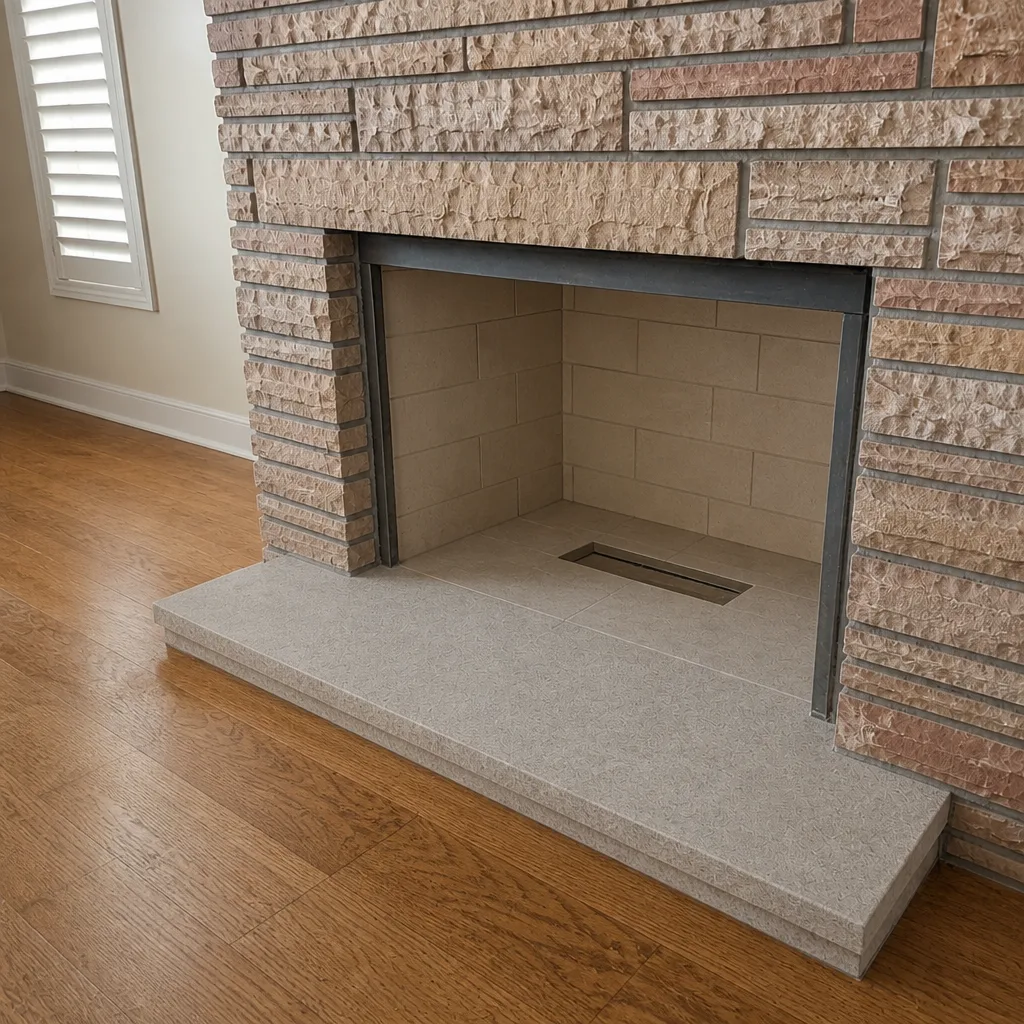
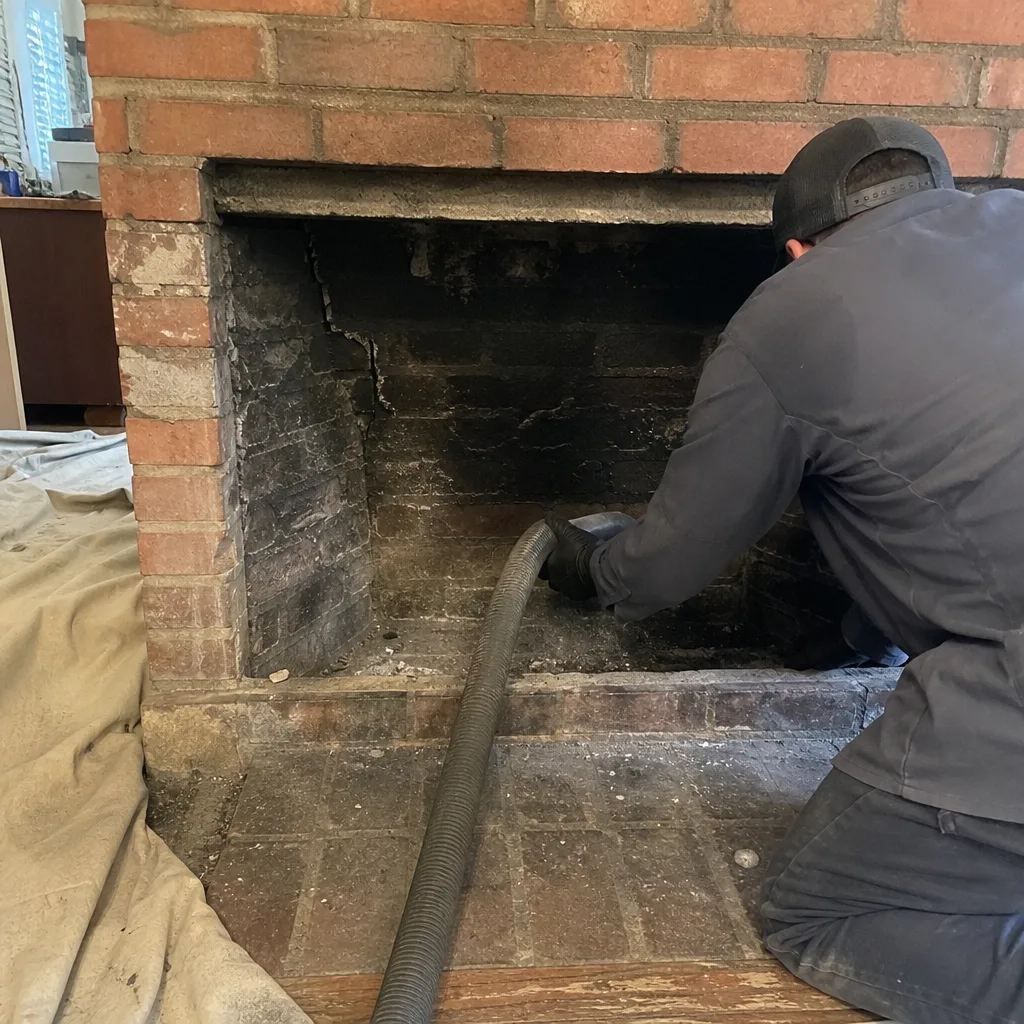
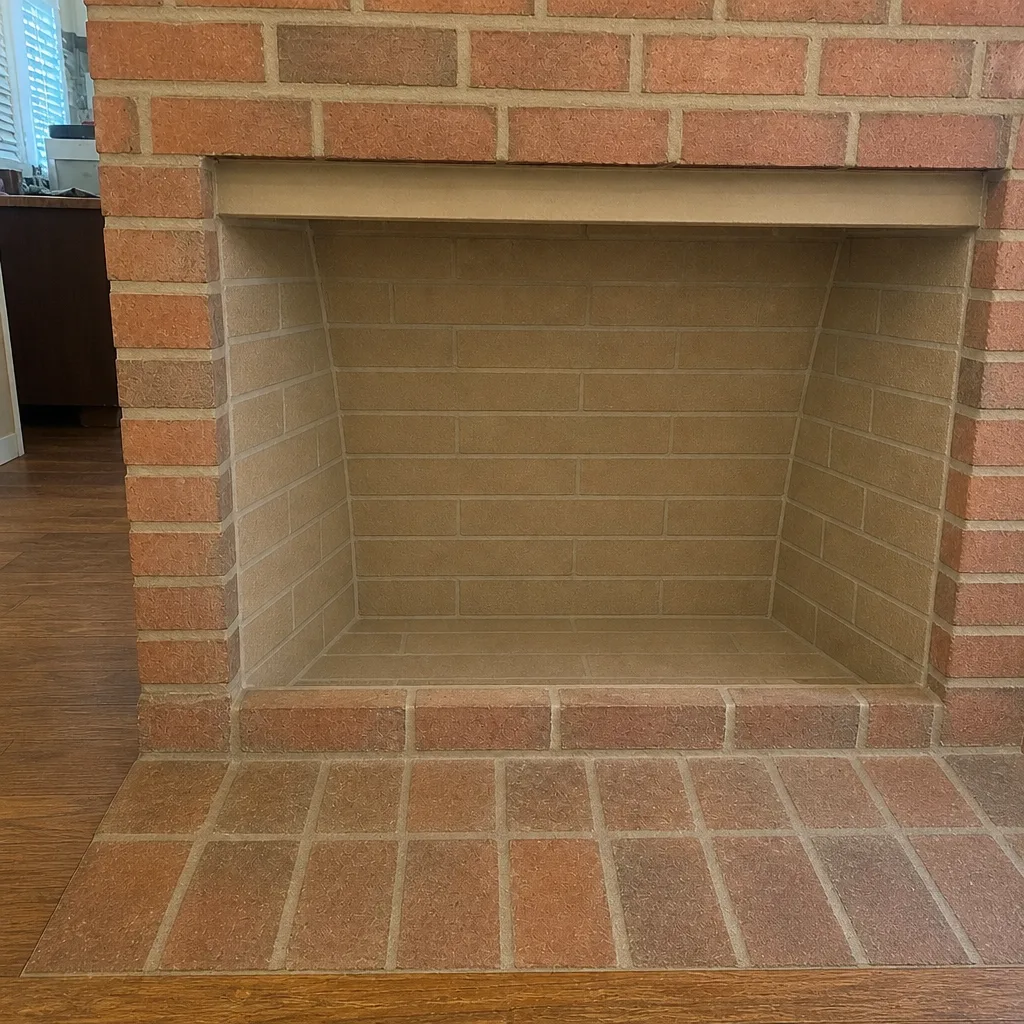
See the difference
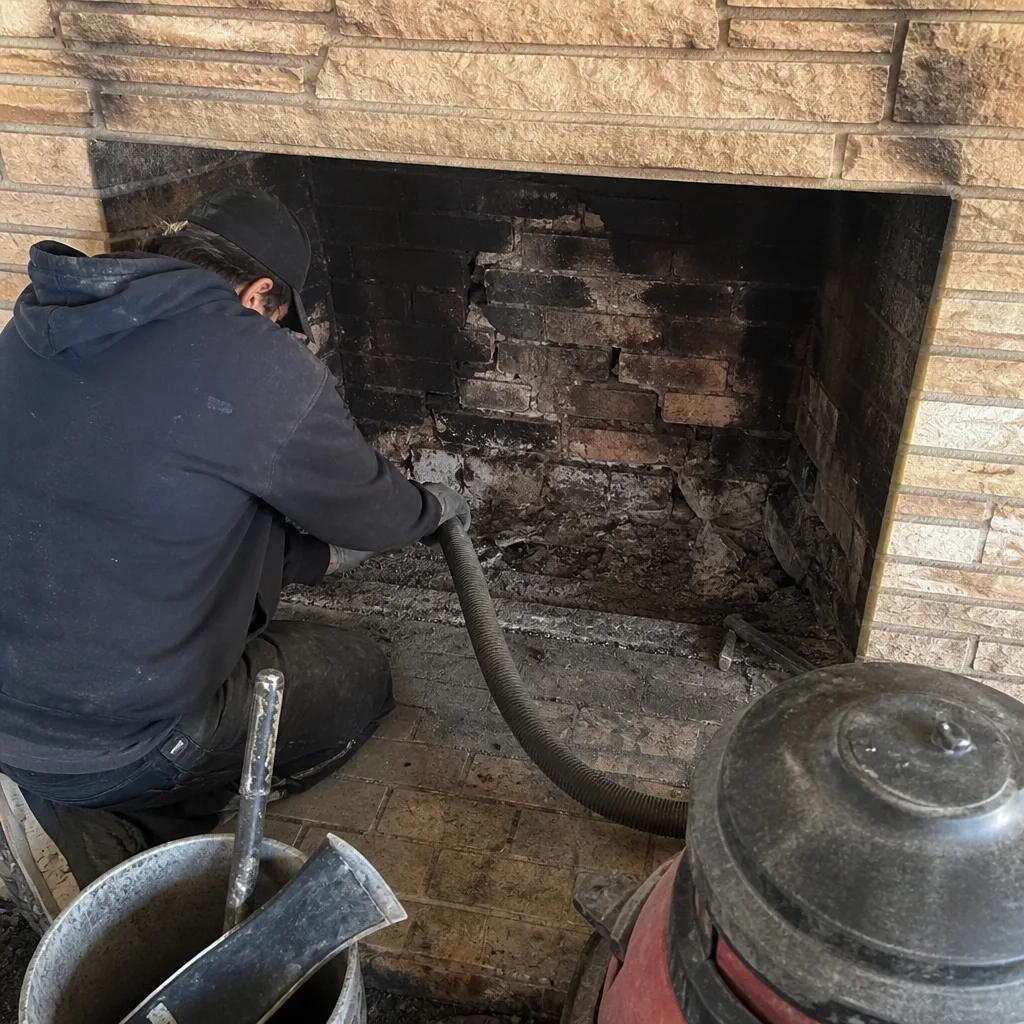 Before
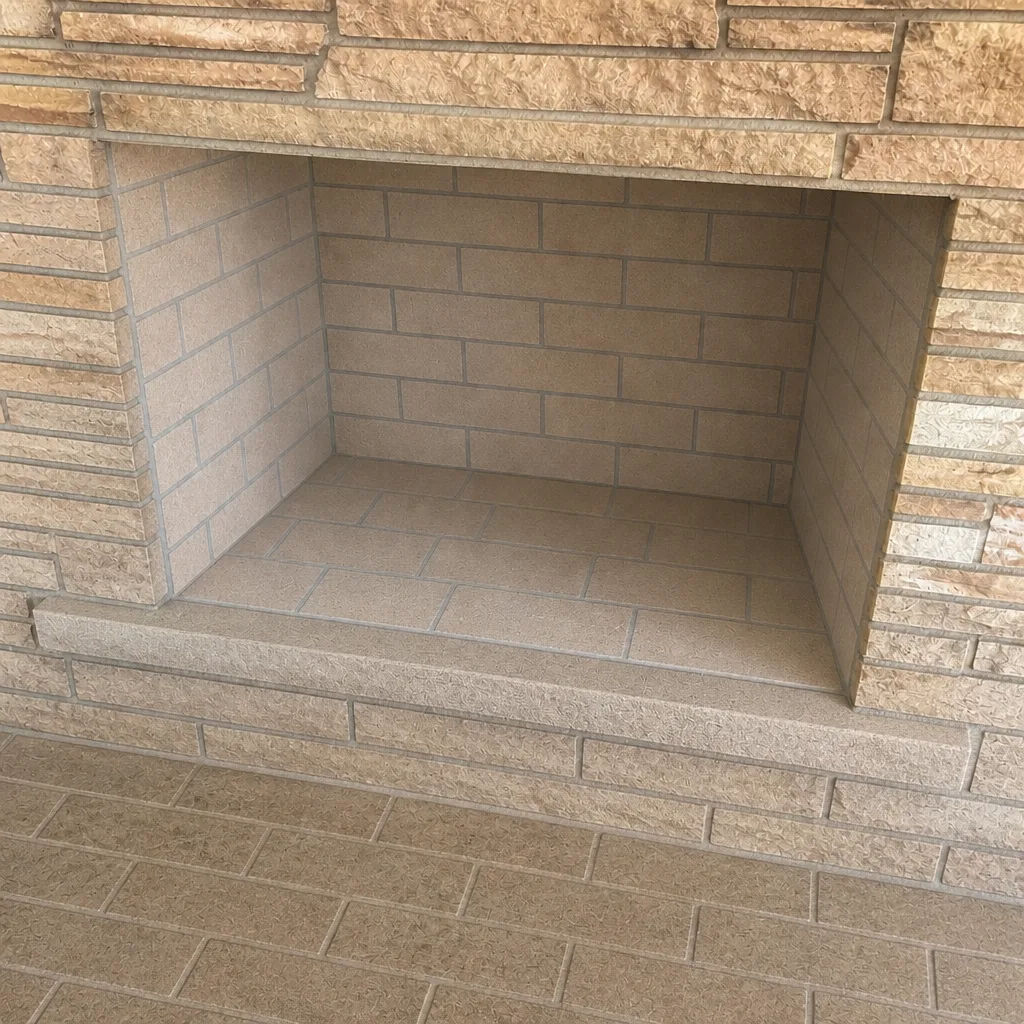 After
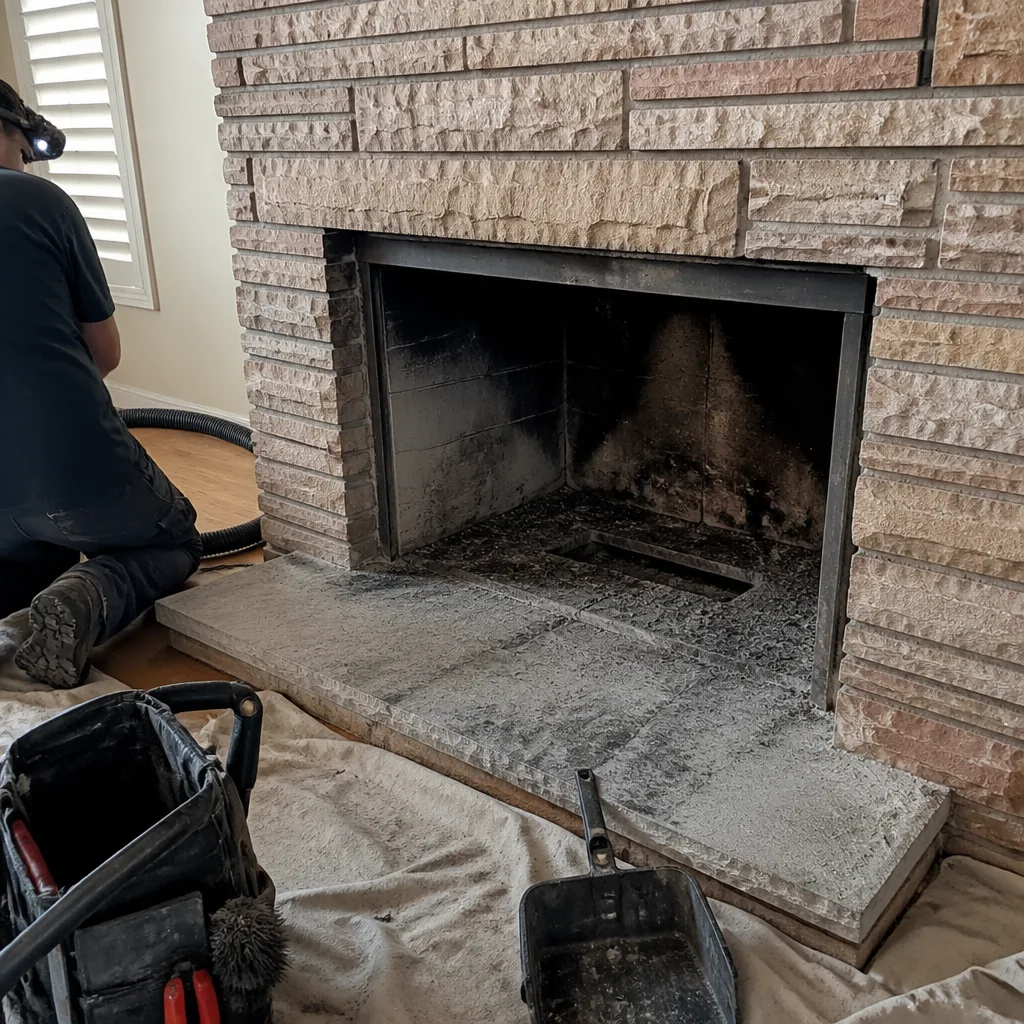 Before
 After
 Before
 After
When to Call a Professional
Call for a professional sweep when you’ve finished a cord of wood, when the flue shows visible buildup, or when draft weakens. Call for an inspection every year, and call the inspector early if you see smoke backing into the room, hear crackling during a fire, or find mortar in the firebox. Any gas appliance that hasn’t been inspected this year should be scheduled next. If a home inspection flagged the chimney, or if you’re buying or selling a house in Arvada, call for a documented assessment that satisfies the transaction. Arvada Chimney Cleaning offers free estimates in Arvada. Call (855) 508-5717. We answer 24/7. Fast dispatch from 7am to 7pm, Sunday through Friday.
Frequently Asked Questions
Once every cord of wood burned, or annually for light use, whichever comes first. Heavy wood burners may need two or three sweeps a season, while ambience-only fireplaces can go two years between sweeps if creosote stays below 1/8 inch. The annual inspection is separate and applies to every chimney regardless of use. Call (855) 508-5717 for an exact quote – estimates are free.
Yes. Inspection covers the liner, crown, masonry, damper, and cap, none of which depends on heavy use to degrade. Water intrusion, freeze-thaw cycles, and pest activity affect a lightly used chimney just as much as a heavily used one. In Arvada’s climate, the annual inspection in spring is the best early-warning system you have. Call (855) 508-5717 for an exact quote – estimates are free.
Spring or early summer, before monsoon season arrives. By that point the winter’s burning is done and any new freeze-thaw damage has shown up, but the summer rains haven’t had a chance to work on it yet. Repair work is easier to schedule in spring than in the pre-winter rush. Call (855) 508-5717 for an exact quote – estimates are free.
Not for creosote, because gas doesn’t produce it. Gas inserts still need an annual inspection of the venting, firebox, and burner, and some manufacturers specify a cleaning interval of every couple of years. The venting check is the critical one, since a disconnected or corroded gas flue is a carbon monoxide risk. Call (855) 508-5717 for an exact quote – estimates are free.
Creosote accumulates, draft weakens, and the risk of a chimney fire climbs. Many chimney fires are quiet enough that the homeowner never knows one occurred, but the liner damage they leave behind is real. Skipping the inspection also means you miss the early masonry damage that’s cheap to fix now and expensive to fix later. Call (855) 508-5717 for an exact quote – estimates are free.
Yes. Our inspection is built to satisfy real estate transactions, insurance requests, and annual safety checks, and it includes a camera inspection and photo report. Whether you’re buying, selling, or refinancing, the report documents what the system actually looks like rather than what a visual once-over suggests. Arvada Chimney Cleaning is licensed and insured, and the sweep, inspection, and repair all come from one company, so findings don’t get handed off. Call (855) 508-5717 for an exact quote – estimates are free.
The Bottom Line
The right chimney maintenance schedule is a function of how your chimney is actually used, not a generic annual reminder. Sweep based on cords burned and visible creosote. Inspect every year, and put that inspection in spring so masonry damage is caught before Arvada’s freeze-thaw cycle and summer rains have another go at it. Handle the cap, damper, and firebox checks yourself between sweeps. Treat gas appliances on their own clock. When the sweep turns up something beyond a cleaning, we fix it with professional-grade materials: HeatShield for resurfacing, DuraFlex for relining, and components sourced through Copperfield and Olympia Chimney. One company for the sweep, the inspection, and the repair. No handoffs, no gaps.
Arvada Chimney Cleaning is the first call for homeowners in Arvada who want a straight answer and a documented report. Call (855) 508-5717. We answer 24/7. Fast dispatch from 7am to 7pm, Sunday through Friday. The estimate is free, the price is set per job by the written estimate, and nothing is recommended without camera evidence you can see for yourself.
Written by the team at Arvada Chimney Cleaning.