
Last updated November 15, 2026
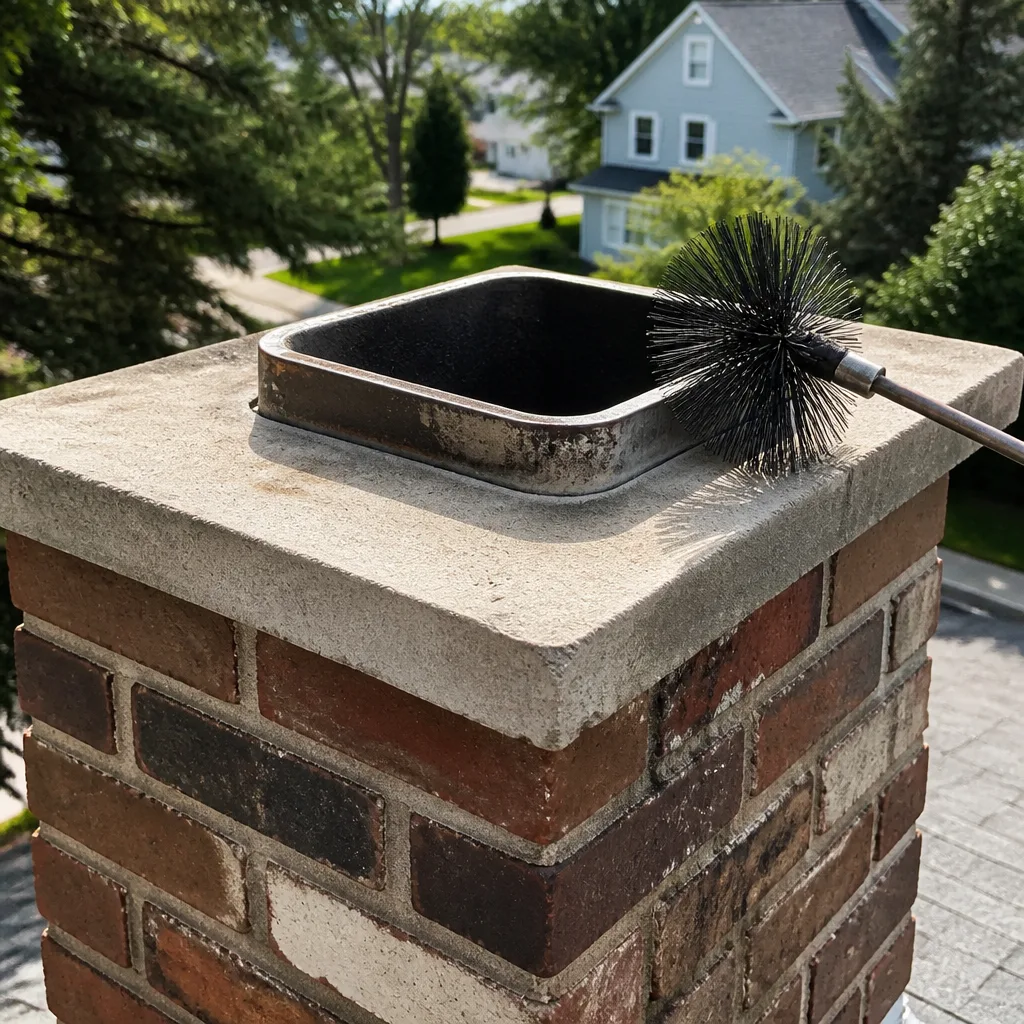 Sweep & inspection
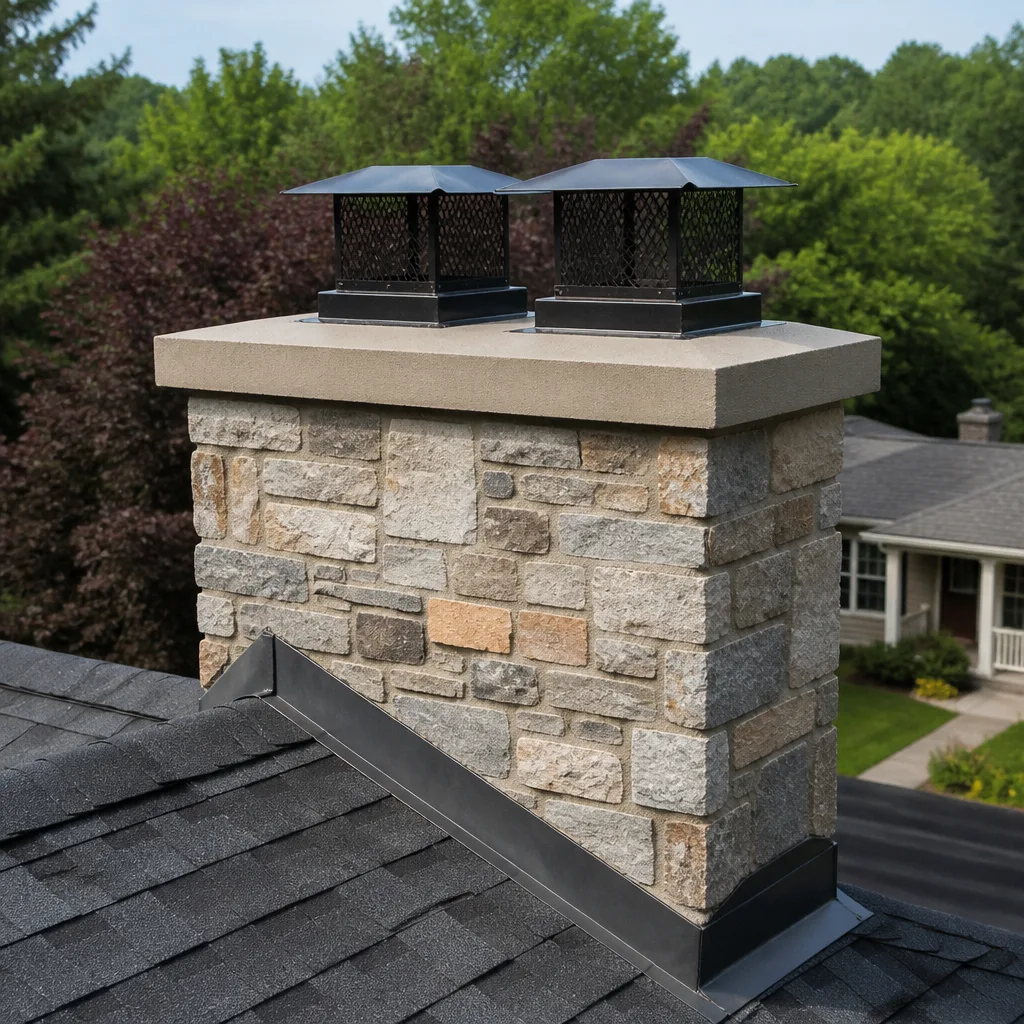 Caps & crowns
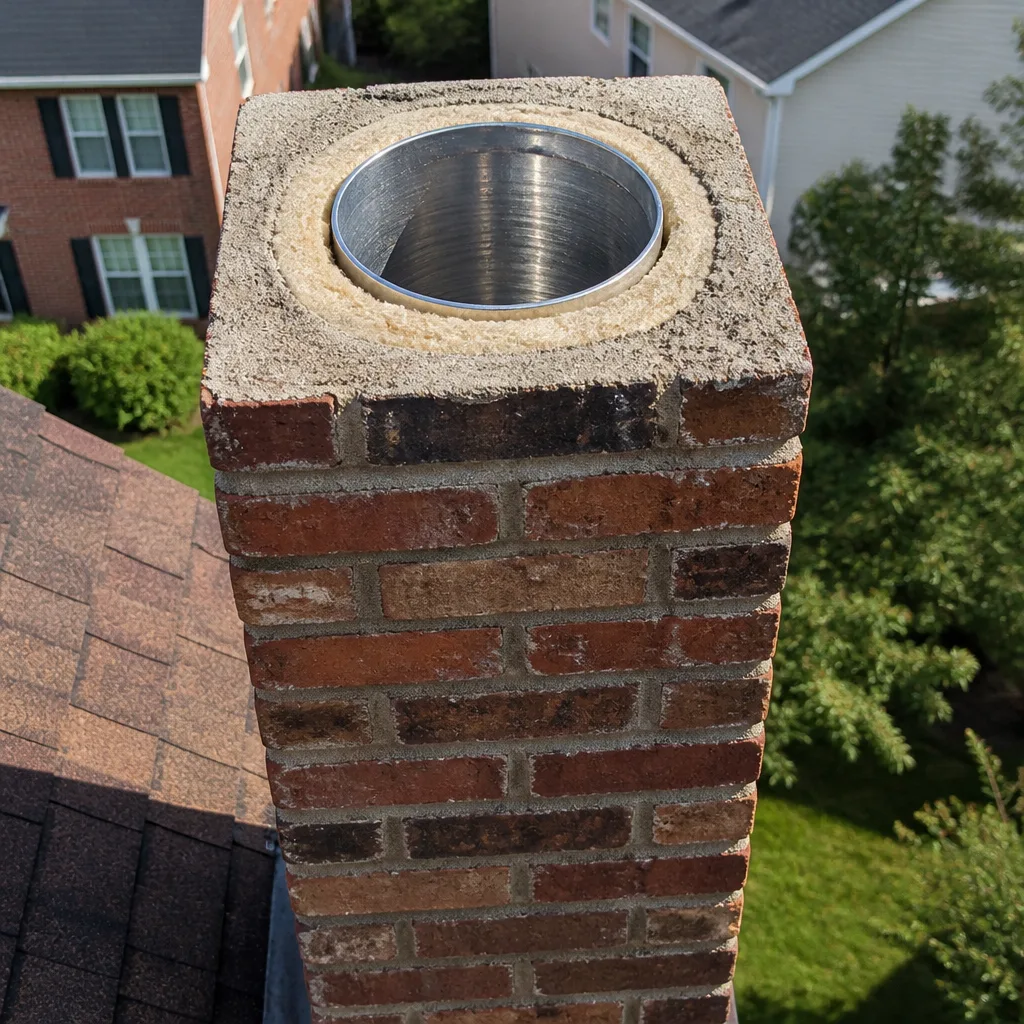 Flue relining
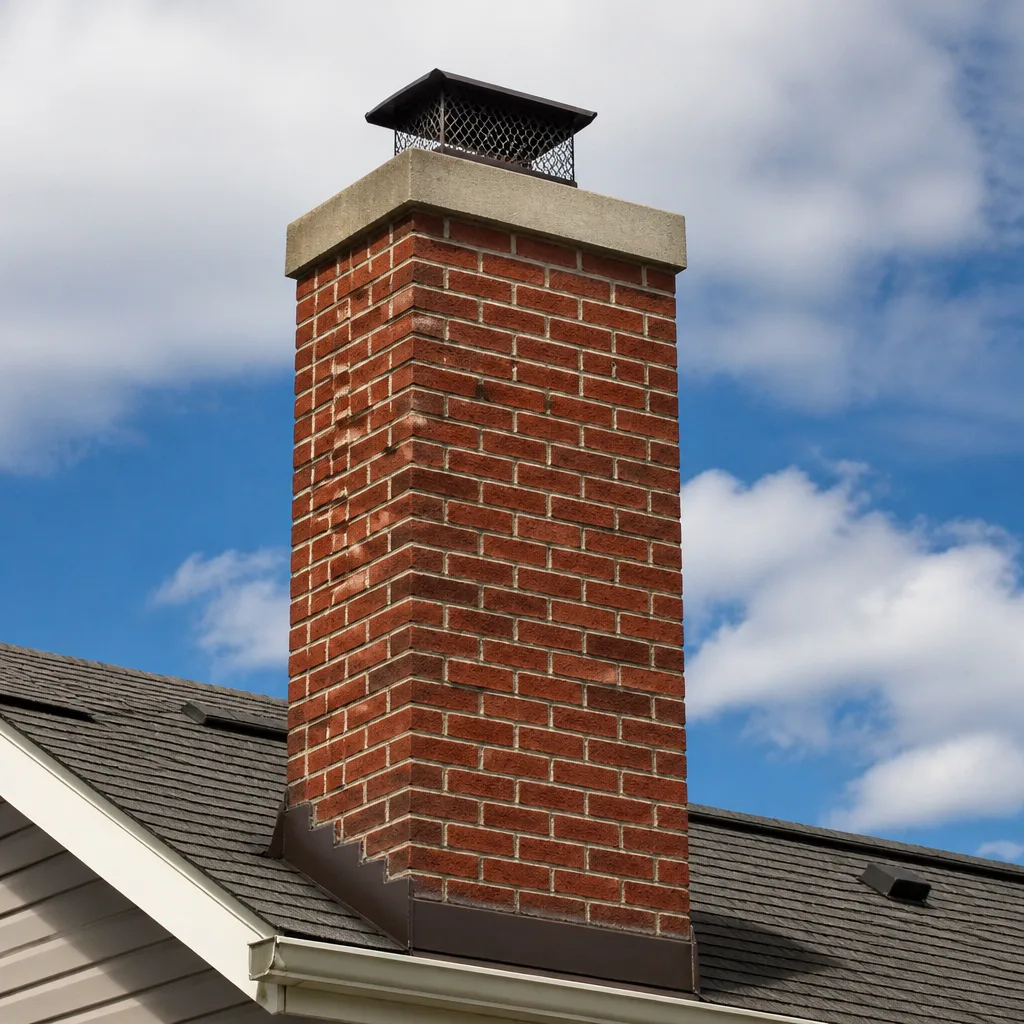 Masonry repair
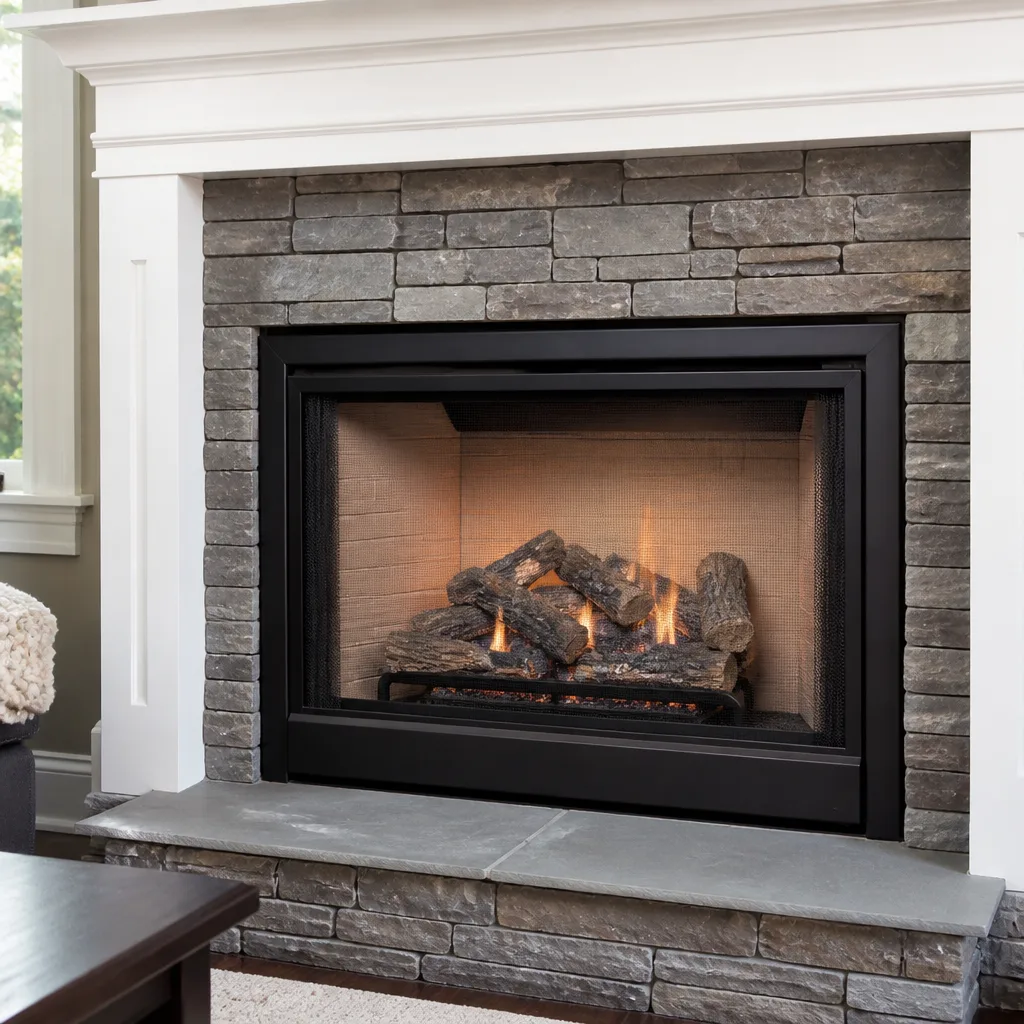 Gas fireplace service
Level 1 sweep and inspection to the NFPA 211 annual standard - flue, crown, cap, and flashing checked and photographed
Chimney sweep logs do not sweep chimneys. They loosen some creosote - which then falls where a brush and vacuum still have to collect it.
Chimney Sweep Troubleshooting in Arvada: Common Problems and How to Fix Them
Burning a hotter fire to fix a smoky fireplace is one of the most common homeowner responses we hear about, and it’s also one of the most reliable ways to accelerate creosote buildup into a chimney fire. A weak draw rarely fixes itself with more fuel; it usually gets worse, and the deposits left behind get harder to remove. Most of the problems Arvada homeowners try to diagnose on their own, from smoke rolling into the room to a faint creosote smell that won’t leave, trace back to a handful of structural and airflow failures. This guide shows you which symptom points to which failure, and which ones a sweep can solve versus which need a repair.
Quick Answer
Most chimney problems in Arvada come down to five failures: a blocked or undersized flue, a damaged or missing cap, a cracked liner, a draft problem tied to the home’s pressure and altitude, or water intrusion through the masonry. A proper diagnostic sweep plus a Level II inspection tells you which one you have; a visual-only brush job often misses the internal damage that causes the symptom in the first place.
Styles & brands we work with
- Sweep & inspection
- Caps & crowns
- Flue relining
- Masonry repair
- Gas fireplace service
Table of Contents
- Symptom Map: What Your Chimney Is Telling You
- Why Smoke Comes Into the House (and Why a Hotter Fire Makes It Worse)
- How Arvada’s Altitude Changes Draft and Combustion
- One-Time Odor vs. Persistent Odor After Cleaning
- What a Sweep Solves vs. What Needs Liner Repair or a New Cap
- What a Proper Diagnostic Sweep Looks Like
- Level I, II, and III Inspections: When Each One Is Needed
- Common Mistakes to Avoid
- When to Call a Professional
- Frequently Asked Questions
Symptom Map: What Your Chimney Is Telling You
Before anyone picks up a brush, the most useful thing you can do is describe the symptom precisely. A chimney doesn’t fail silently; it gives you a signal first, and that signal narrows the cause faster than any guess about the firewood. Here’s how we map the most common symptoms to their likely root cause.
- Smoke rolling out of the firebox on startup, then clearing: usually a cold-flue or pressure issue, not a blockage. Common in tight, well-sealed homes.
- Smoke that never clears and gets worse as the fire grows: often a partial blockage, an undersized flue for the appliance, or a liner that has separated or collapsed.
- A musty or animal smell, especially in warm months: a missing or damaged cap letting in rain, debris, or nesting animals, or creosote that has absorbed moisture.
- Brown water stains on the ceiling or chimney breast: a failed crown, flashing, or cap seal, with water tracking down through the masonry.
- A strong creosote smell after a cleaning: persistent odor after a sweep points to residue the brush didn’t reach, or a masonry or liner surface that’s holding moisture.
- Weak draw that a taller fire doesn’t fix: a flue geometry or pressure problem, not a fuel problem.
None of these maps to “get it cleaned and hope.” Each one points to a specific test in a Level II inspection, which is the standard for identifying the actual failure. If you’re booking a first visit, a professional chimney sweep starts with the symptom, not the brush.
Why Smoke Comes Into the House (and Why a Hotter Fire Makes It Worse)
Smoke coming into a room is a draft failure, and draft is a pressure balance, not a fuel setting. Adding more wood increases the volume of smoke the flue has to move. If the flue is already at its limit because of a blockage, a liner defect, or negative pressure in the house, the extra volume has nowhere to go but back into the room.
In our experience, there are three distinct causes behind smoke rollout, and they need very different fixes:
- Blockage or restriction. A nest, a collapsed liner section, or heavy third-stage creosote narrows the flue. The fire can’t pull enough air up and out, so smoke backs up. This is a sweep or liner repair issue, depending on what the camera shows.
- Pressure imbalance. Modern tight homes, kitchen and bath exhaust fans, and even a clothes dryer can pull air down the chimney instead of up it. This is a house-airflow problem, and the fix is often a make-up air adjustment or a top-sealing cap change, not a sweep.
- Cap or termination issue. A cap that’s too restrictive, blocked with debris, or the wrong size for the flue can choke draw at the top. Replacing it with a properly sized professional-grade cap restores the lift the flue needs.
The key point: two of these three aren’t solved by cleaning. If your fireplace smokes and someone tells you it just needs a sweep without checking the cap and the flue geometry, get a second opinion.
How Arvada’s Altitude Changes Draft and Combustion
Arvada sits around 5,300 feet, and that elevation matters to a wood-burning fireplace more than most homeowners realize. Air is thinner at altitude, which means less oxygen per cubic foot and a weaker pressure differential driving the flue. A chimney that draws perfectly at sea level can be marginal here.
What that means in practice for Arvada homes:
- Fires need more air and a good bed of kindling to establish draft. A cold, slow start produces more smoke and more creosote.
- Flue sizing matters more. A flue that’s slightly oversized for the firebox at low altitude can be noticeably sluggish here, because the smoke cools faster before it reaches the top.
- Cooling smoke deposits creosote more readily. This is why regular sweeping is a maintenance habit in Arvada, not a once-a-decade chore.
- Our cold winters make the temperature differential work in your favor; the challenge is the shoulder seasons and startup, when the flue is cold and the fire is small.
The practical response is a well-sealed flue of the right size, a properly insulated liner where one is needed, and a cap that doesn’t restrict the rise. DuraFlex flexible liner systems are what we use for relining because they’re built to maintain flue performance under these conditions, not just to pass a visual check. If your house has struggled with draft at this altitude, that’s a conversation worth having with someone who inspects the whole system, not just the flue brush.
One-Time Odor vs. Persistent Odor After Cleaning
A single creosote or smoke smell after a fire, especially on a damp day, is often normal. A persistent smell that returns after a professional cleaning is not, and it usually signals something the brush didn’t reach.
Here’s the distinction that matters:
- One-time odor: typically weather-related. A cold chimney drawing air down the flue, or a damp day pulling moisture into creosote. Usually clears with a warm fire and a properly sealed cap.
- Persistent odor after cleaning: the brush removed the flue deposits, but there’s residue on the smoke chamber, in the damper area, or in the masonry. It can also mean the liner surface is porous, or creosote has soaked into brick that no brush will fully clear.
- Animal or musty odor: a cap failure, a nesting issue, or water intrusion. The smell is a symptom, not the problem. Fix the cap and the smell goes away.
When a smell survives a cleaning, the honest next step is a Level II inspection with a camera, not another sweep. We’ve seen this repeat-sweep pattern often: an Arvada homeowner pays for a second brush-out that changes nothing, because the real issue is in the smoke chamber or the liner surface. HeatShield ceramic resurfacing is the tool for the smoke-chamber and liner-surface cases, because it repairs the surface that’s holding the odor, rather than cleaning it again.
What a Sweep Solves vs. What Needs Liner Repair or a New Cap
One of the most useful things you can know as a homeowner is the line between cleaning and repair. It keeps you from paying for a sweep that can’t fix your problem, and it keeps a contractor honest about what the job actually requires.
A sweep solves:
- Normal creosote buildup in a flue that’s otherwise sound.
- Light debris and soot accumulation on the smoke shelf.
- Soot staining on the firebox from normal use.
- Minor cap debris that can be cleared without replacing the cap.
A repair solves:
- Cracked or separated liners. A brush can’t bridge a gap, and a camera will show it.
- Failed or missing caps. A new properly sized cap restores protection and draw.
- Cracked crowns and flashing failures that let water in.
- Smoke-chamber deterioration that holds odor and reduces draft.
- Flue geometry problems that need a relined system, often with a DuraFlex liner.
If you’re told you need repair, ask to see the camera evidence first. A real inspection gives you a photo record and a documented finding; a visual-only job just says “it looks fine” or “it needs work.” We use parts sourced through Copperfield and Olympia Chimney so the repair components are traceable and professional-grade, not a substitute from the shelf.
What a Proper Diagnostic Sweep Looks Like
A diagnostic sweep is different from a brush job. The brush gets the flue clean; the diagnostic work tells you what you’re actually looking at. Here’s the sequence we follow, and the sequence you should expect from any competent chimney professional in Arvada:
- Interview. We ask about the symptoms, the appliance, and the house. Smoke rollout on startup and smoke rollout all night are different problems.
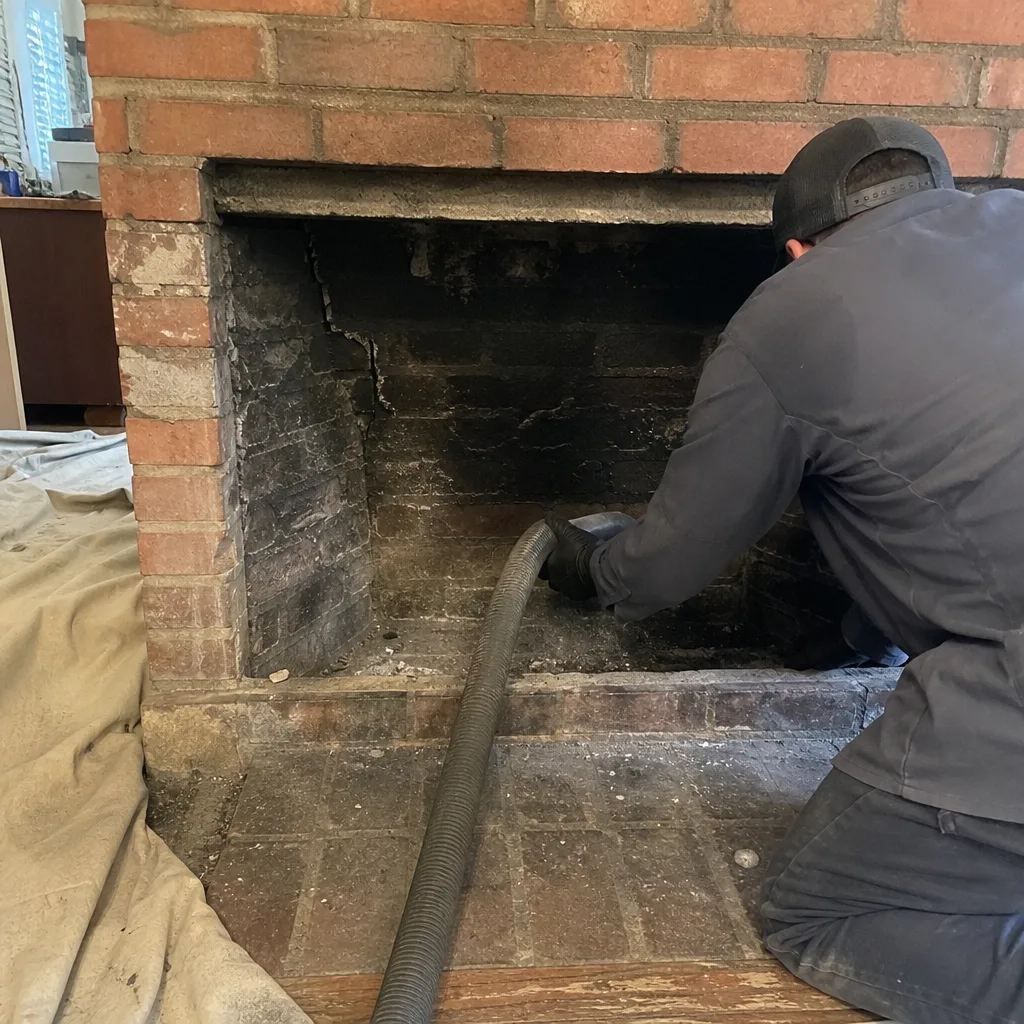
- Setup. Drop cloths and containment, so the sweep doesn’t leave a mess in the living space.
- Sweep the flue and firebox. The correct brush for the flue material, top to bottom.
- Visual inspection. Cap, crown, flashing, damper, smoke chamber, firebox, and flue from the top and the bottom.
- Camera inspection. This is the step that separates a diagnostic sweep from a visual-only job. A camera run through the flue shows cracks, gaps, and separation that a brush can’t find and an eye can’t always see.
- Documented findings. A written record and photos. You should know what’s fine, what needs watching, and what needs repair.
The camera step is non-negotiable for us because it’s the only way to separate a dirty chimney from a damaged one. If a technician sweeps and leaves without showing you what’s inside, you’re paying for a cleaning and guessing on the structure.
Level I, II, and III Inspections: When Each One Is Needed
The industry standard recognizes three inspection levels, and using the right one is the difference between a quick check and a real answer. Here’s the short version of when each applies.
- Level I: a basic visual check of readily accessible components with the standard tools. Appropriate for routine maintenance on a system with no known problems and no changes since the last inspection.
- Level II: a full inspection of all accessible components, including the camera run of the flue, with documented findings. This is the standard for a fireplace with symptoms, a home purchase or sale, an insurance request, a change to the appliance, or any uncertainty about the flue’s condition.
- Level III: a deeper inspection that opens concealed areas when the Level II findings point to a problem that can’t be seen otherwise. Rare, and usually tied to a known failure.
For most Arvada homeowners with a symptom, a home inspection flag, or a real estate transaction, Level II is the right call. It’s also what we build into our inspection service so the report can actually satisfy an insurance request or a sale closing, not just reassure you. If you’re not sure which level you need, describe the symptom and we’ll tell you before booking.
Common Mistakes to Avoid
- Building a hotter fire to fix smoke rollout. More fuel means more smoke, and more smoke in a restricted flue is exactly the creosote buildup that leads to a chimney fire. Fix the draft, not the fire.
- Treating a persistent odor with another sweep. If a smell survives a cleaning, the residue is somewhere the brush didn’t reach. That’s an inspection question, not a repeat-cleaning question.
- Accepting a visual-only inspection as the whole answer. A visual check can miss a cracked liner entirely. Ask for the camera and the photos.
- Ignoring the cap. The cap is the first line of defense against water, animals, and draft loss. A failed cap in Arvada’s weather is a common and inexpensive cause of bigger problems downstream.
- Assuming altitude doesn’t matter. A system that works at low elevation may need a different flue size or liner here. Don’t accept a diagnosis that ignores the local climate and elevation.
- Repairing without documented evidence. A photo record behind every recommendation is what separates a repair from an upsell.
- Coordinating multiple contractors. Sweep, inspection, and repair from one company means the findings actually get fixed, with no handoff gaps and no guessing.
When to Call a Professional
Call us when the symptom won’t go away. Smoke that rolls into the room, a smell that survives a cleaning, water stains on the ceiling, a cap that’s damaged or missing, or a home inspection that flagged the chimney all point to work that needs a real diagnostic. Don’t ignore a repeated creosote smell or a slow draw that a hotter fire makes worse; both are early signals worth a proper Level II inspection before the burning season.
If you’re buying or selling in Arvada, or your insurer has asked for documentation, our inspection service is designed for that paperwork. And when repair is needed, we handle it in-house with DuraFlex, HeatShield, and materials from Copperfield and Olympia Chimney, so the sweep, the inspection, and the fix come from one company. Arvada Chimney Cleaning offers free estimates in Arvada. Call (855) 508-5717.
Frequently Asked Questions
Smoke coming into the house is a draft failure, usually caused by a blocked or undersized flue, a restrictive or blocked cap, or negative pressure inside a tight home. Burning a hotter fire makes it worse, not better. The fix depends on which of those three you have, and a Level II inspection with a camera is what tells you. Call (855) 508-5717 for an exact diagnosis and free estimate.
Yes. At around 5,300 feet, the thinner air means less oxygen per cubic foot and a weaker pressure differential driving the flue. A chimney that draws fine at lower elevations can be sluggish here, especially on cold starts and in the shoulder seasons. That’s why flue sizing and a properly sealed liner matter more in Arvada than most homeowners expect.
A persistent smell after a professional sweep usually means there’s residue on the smoke chamber, in the damper area, or in a porous liner surface that a brush can’t fully clear. It can also signal water intrusion or a cap failure. A one-time smell is often just weather; a recurring one after cleaning needs a Level II inspection rather than another sweep. Call (855) 508-5717 for an estimate.
For a wood-burning fireplace in regular use, an annual sweep and inspection is the standard recommendation, and it’s the safest baseline for our climate because cool-weather combustion deposits creosote readily. Gas appliances need less frequent cleaning but still need an annual inspection. Call (855) 508-5717 and we’ll walk you through what your system needs.
A sweep cleans the flue; a Level II inspection evaluates the whole system, including a camera run of the flue, with documented findings and photos. The sweep removes deposits, but only the inspection finds a cracked liner, a failed cap, or a damaged smoke chamber. If your chimney has a symptom, you need both. Call (855) 508-5717 for an exact quote; estimates are free.
You can rule out obvious causes like a closed damper or a cold flue on startup, but the underlying causes of smoke rollout, including a restricted flue, a cracked liner, or a pressure imbalance, are not a homeowner fix. More importantly, the flue and liner are where a mistake can lead to a chimney fire or carbon monoxide exposure. This is a job for a trained professional. Call (855) 508-5717 for an estimate.
You’ll have a clean flue and no idea whether the liner, cap, or smoke chamber is sound. A visual-only brush job can pass right over internal damage that the camera would have caught, and the symptom you called about will come back. Inspections are how you avoid paying twice for the same problem. Call (855) 508-5717 for an exact quote; estimates are free.
The Bottom Line
Most chimney problems in Arvada aren’t random; they follow from a small set of structural and airflow failures, and each symptom points to which one it is. A hotter fire doesn’t cure a weak draw, and a second sweep doesn’t cure a persistent odor. The reliable path is the same every time: describe the symptom, get a diagnostic sweep, and let a camera inspection show you what’s actually there before anyone recommends repair. That’s how you avoid spending on the wrong fix and get your fireplace working safely for the season ahead. Written by the team at Arvada Chimney Cleaning.
See the difference
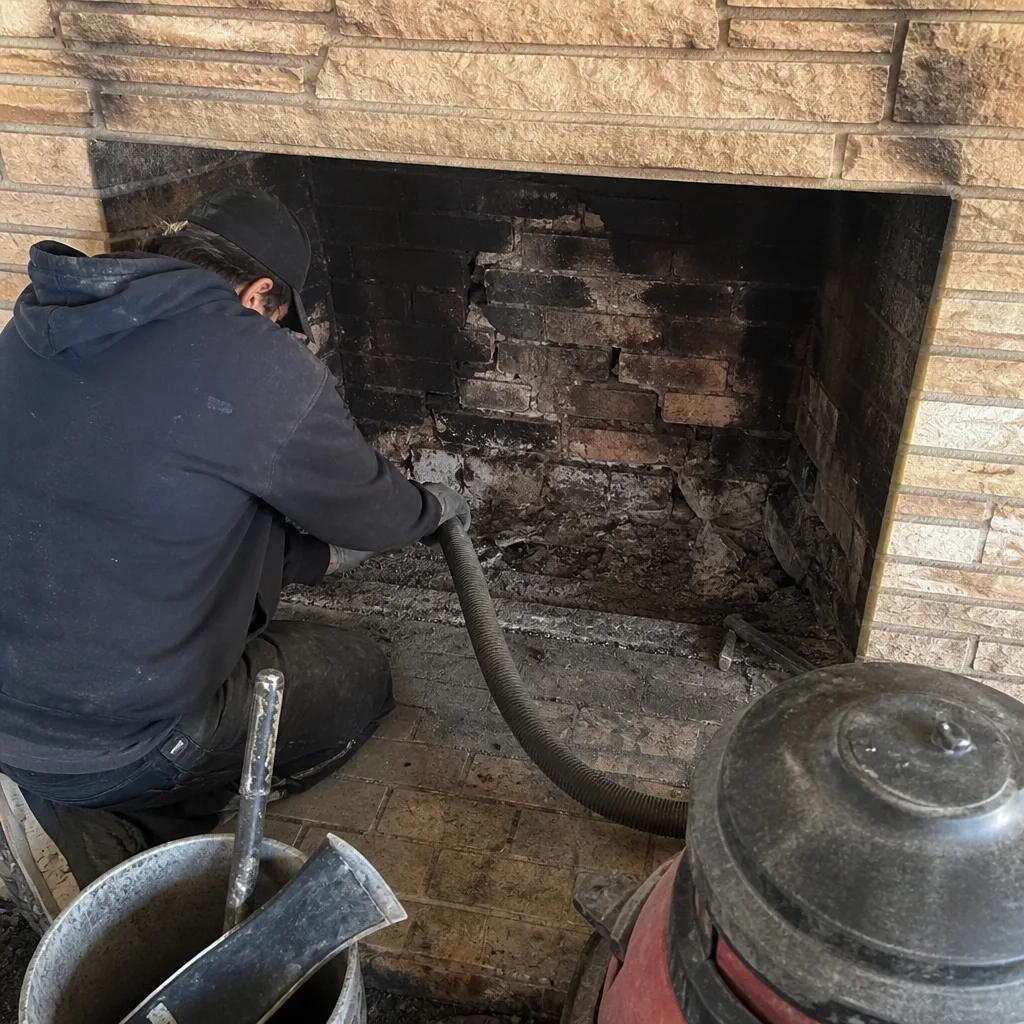 Before
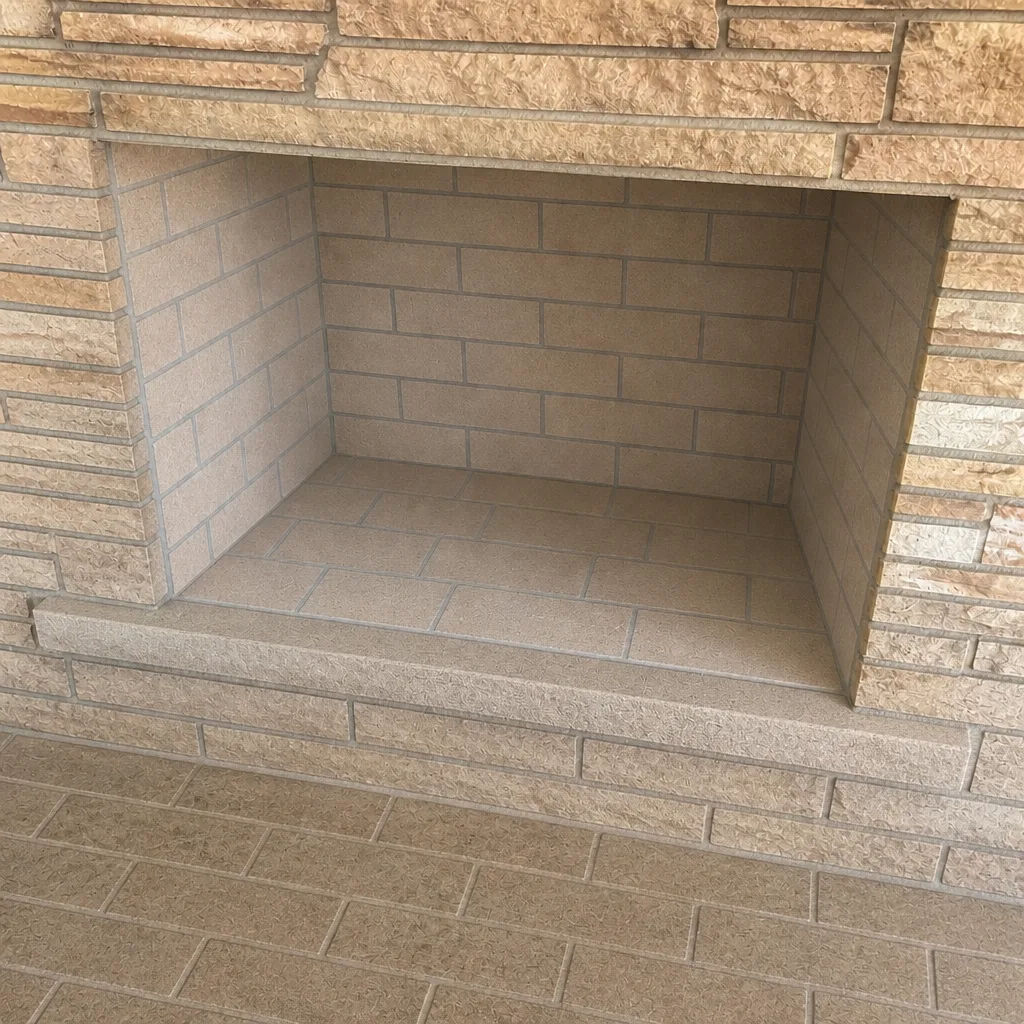 After
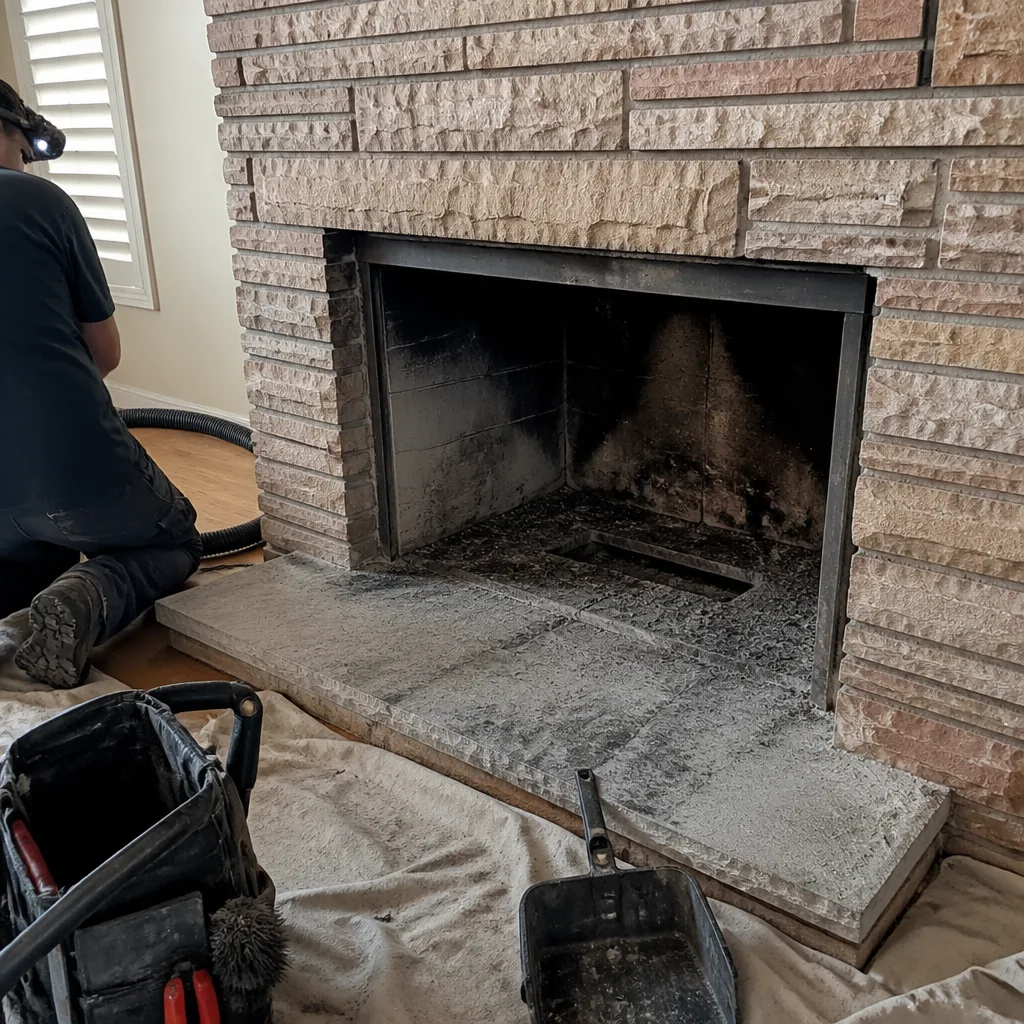 Before
 After
 Before
 After