
Last updated November 15, 2026
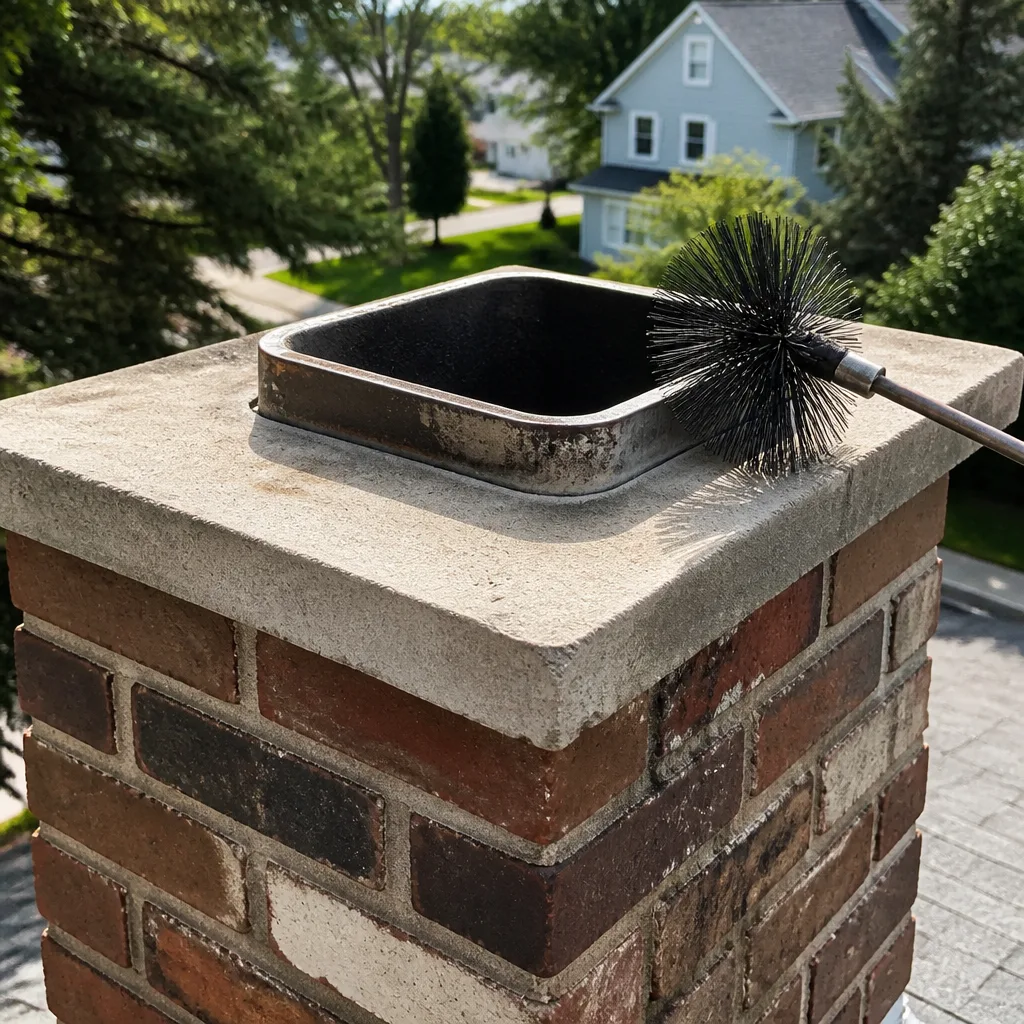 Sweep & inspection
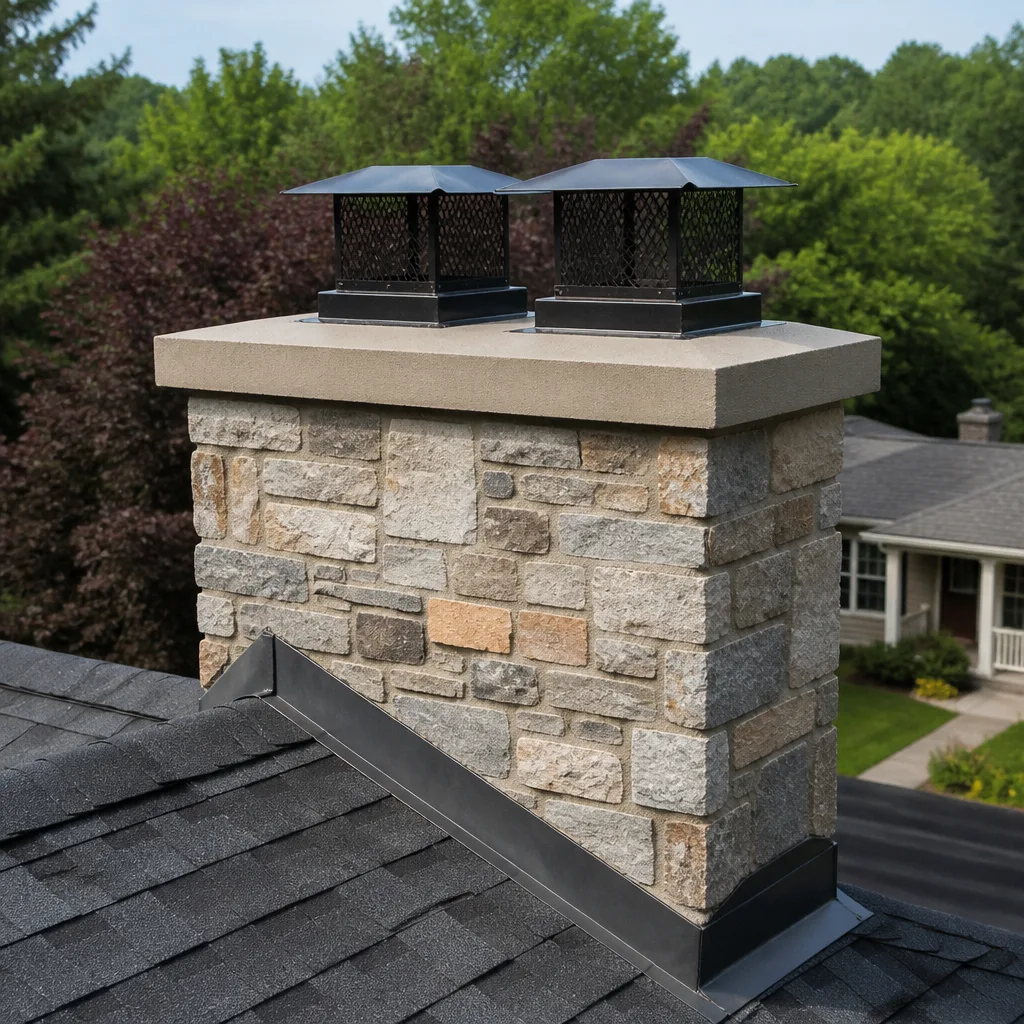 Caps & crowns
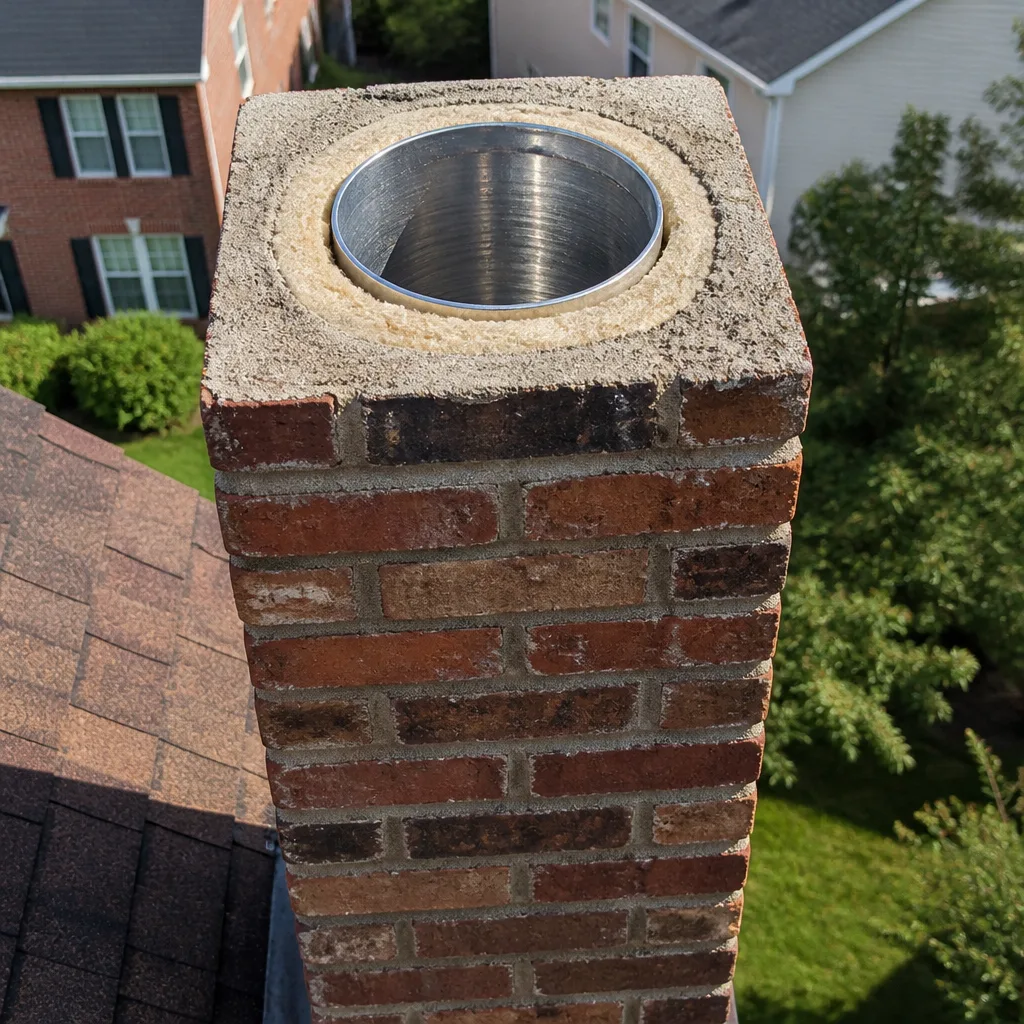 Flue relining
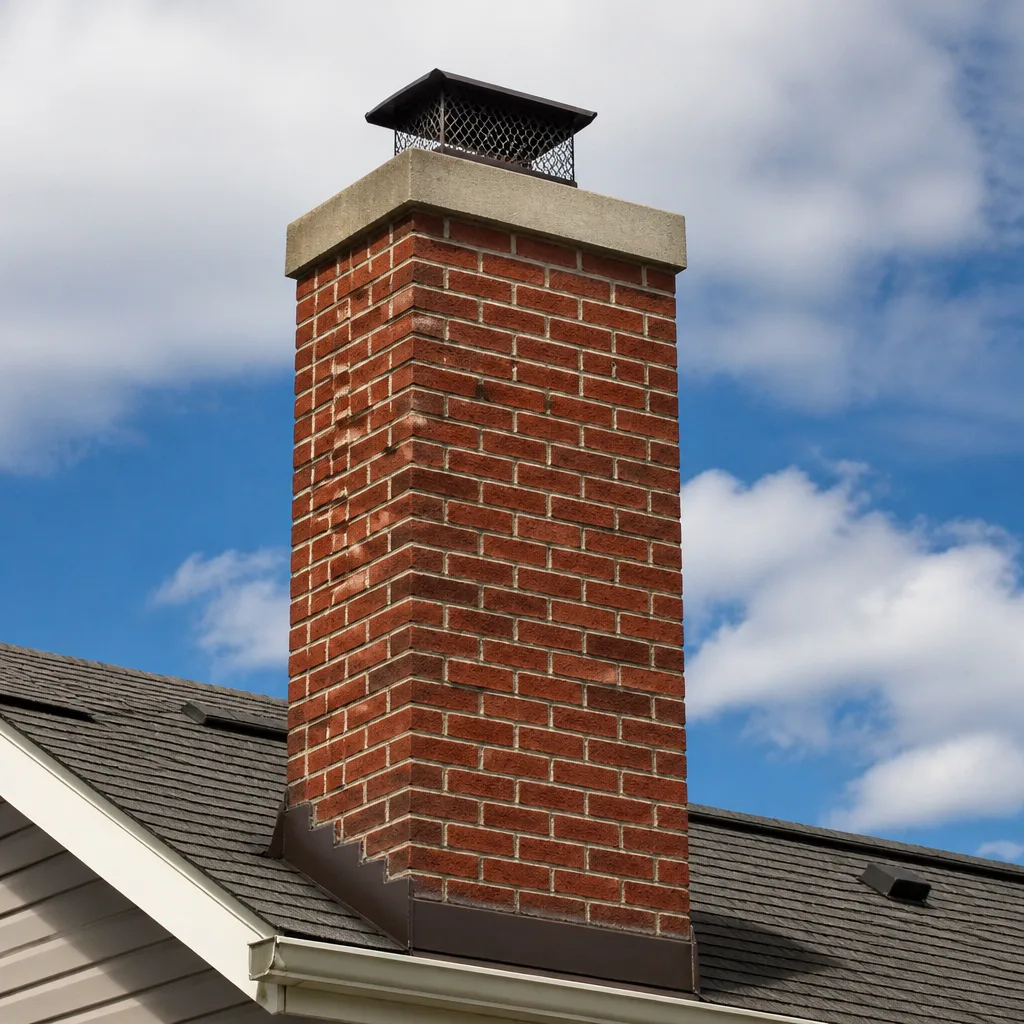 Masonry repair
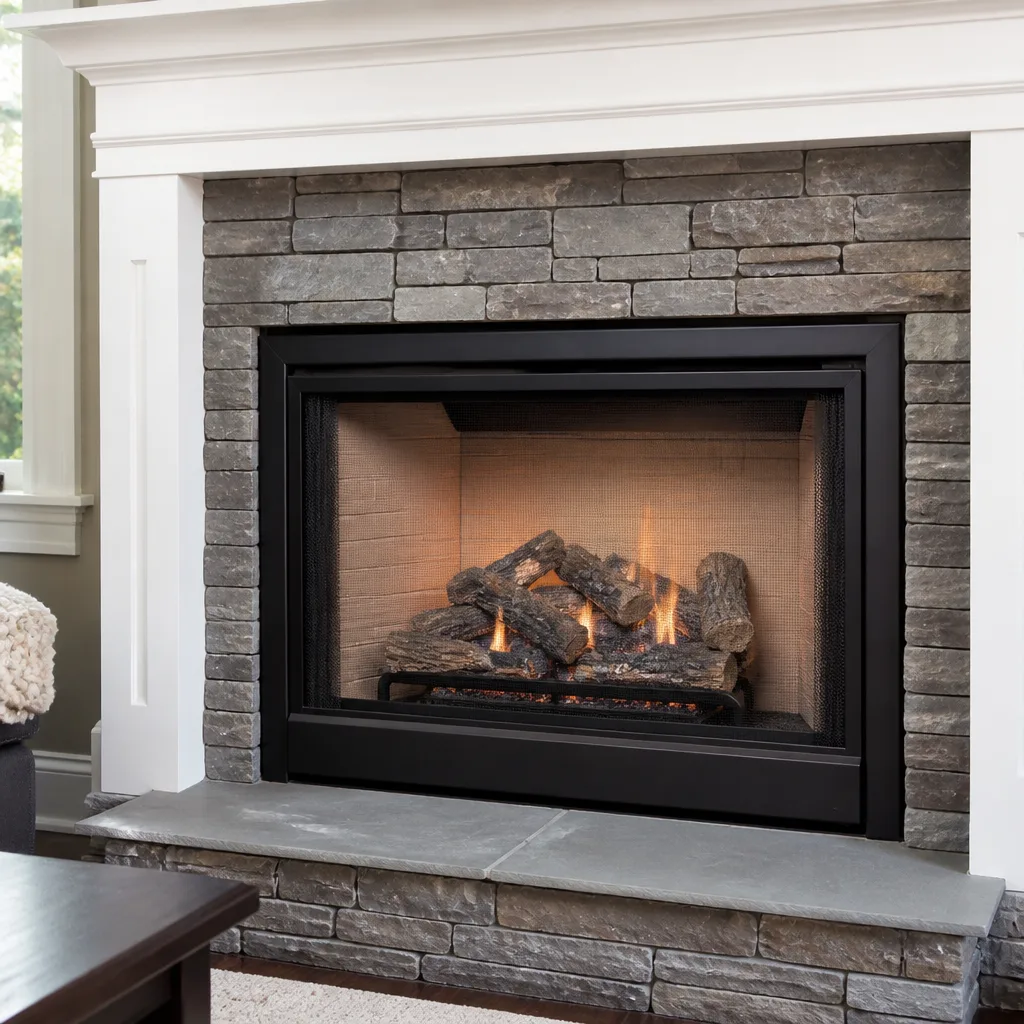 Gas fireplace service
Level 1 sweep and inspection to the NFPA 211 annual standard - flue, crown, cap, and flashing checked and photographed
Chimney sweep logs do not sweep chimneys. They loosen some creosote - which then falls where a brush and vacuum still have to collect it.
Choosing the Right Chimney Cleaning Brand: A Buyer’s Guide for Arvada
A chimney cap from a hardware store and a Gelco or Olympia stainless cap look similar in a photo. Both are metal. Both sit on top of the flue. Both keep rain out, in theory. After two Arvada winters, the difference in fit, material gauge, and seal performance is not subtle. One is still doing its job; the other has rusted at the seams, warped in the freeze-thaw cycle, or pulled loose in a spring windstorm coming off the Front Range. The product on the shelf and the product a chimney professional installs are often not the same item, even when the brand name matches. This guide explains what separates professional-grade chimney materials from commodity alternatives, which product categories actually matter, and how to ask a contractor the questions that reveal whether they’re using the real thing.
Quick Answer
The right chimney products for an Arvada home are professional-grade, name-brand materials specified for your flue type and climate: HeatShield for resurfacing and liner repair, DuraFlex for relining, Gelco or Olympia Chimney stainless caps, and Copperfield-sourced components. “Professional-grade” means thicker material, higher temperature ratings, and real warranty coverage – not a retail version of the same label. Ask any chimney company which brands they install, in what gauge, and under what warranty before you book the work.
Styles & brands we work with
- Sweep & inspection
- Caps & crowns
- Flue relining
- Masonry repair
- Gas fireplace service
Table of Contents
- Which chimney product categories actually matter
- The professional brands Arvada chimney specialists rely on
- What “professional-grade” means in spec terms
- Why retail products are often lower-spec versions
- How to ask a contractor what materials they use
- How Arvada’s climate stresses chimney materials
- A step-by-step way to evaluate any chimney provider
- Common mistakes to avoid
Which chimney product categories actually matter
Not every chimney product deserves the same scrutiny. Some are commodity items where brand barely matters; others are the difference between a repair that lasts and one that fails within a season. In our experience working on Arvada homes, five categories carry the most weight.
- Chimney caps. The cap keeps rain, snow, birds, and debris out of the flue. A thin stamped-steel cap rusts through fast in Colorado’s wet-freeze-dry cycle. A professional stainless cap from a line like Gelco or Olympia Chimney uses heavier gauge metal and a tighter fit to the flue tile, which is what actually keeps water out.
- Crown sealants. The crown is the concrete slab on top of the chimney. Hairline cracks let water in, and water freezing inside the crown widens those cracks every winter. Flexible crown sealants designed for masonry outperform rigid patching compounds that crack again under thermal movement.
- Waterproofing treatments. A breathable masonry water repellent keeps bulk water out while letting the masonry dry from the inside. Products that seal the surface completely trap moisture and cause spalling. This matters more in Arvada than in a mild climate because of the number of freeze-thaw cycles per year.
- Creosote removers. Chemical creosote treatments vary widely in concentration. Retail versions are often diluted. Professional-grade products are formulated to actually soften glaze-phase creosote so it can be swept – and they’re used alongside mechanical sweeping, never as a substitute for it.
- Liner repair products. This is where brand choice matters most. A cracked flue tile isn’t fixed by smearing mortar on it. HeatShield is a specific ceramic resurfacing system designed to restore flue integrity from the inside, and DuraFlex flexible liners are engineered, warrantable relining systems. Both are a different category of product from an improvised patch.
If you’re scheduling a chimney sweep in Arvada, the sweep itself is mostly labor and technique. The products that follow the sweep – caps, sealants, liners – are where material quality decides how long the result holds.
The professional brands Arvada chimney specialists rely on
Professional chimney work runs on a relatively small set of recognized supply lines. The brands below show up repeatedly because they’re specified by certified chimney professionals nationwide, not because they’re marketed heavily to homeowners. That distinction is the point: you generally won’t find them featured at a big-box store endcap, and that’s a feature, not a bug.
- HeatShield. A ceramic resurfacing system used to repair damaged flue tiles and restore the liner’s integrity without a full tear-out. It’s a named, documented product with a replicable application process – meaning the result can be inspected and verified, not just eyeballed.
- DuraFlex. Flexible stainless liner systems for relining wood-burning and gas flues. DuraFlex liners give homeowners a warrantable, code-compliant relining solution rather than a temporary fix. When a flue is too damaged to resurface, this is the category of product that replaces it.
- Gelco and Olympia Chimney. Professional supply lines for caps and related components. Both are traceable, quality-controlled sources – the components are specified, not whatever happens to be in stock.
- Famco and Copperfield. Additional professional-grade supply sources for caps, dampers, and related chimney components. Copperfield in particular is a professional supply chain, which means the parts are traceable back to a manufacturer with a spec sheet.
What ties these together is that they’re all products a chimney professional can name, specify, and stand behind on a written estimate. A generic “chimney cap” on a quote tells you nothing. A Gelco or Olympia stainless cap in a stated gauge tells you exactly what’s going on your roof.
What “professional-grade” means in spec terms
“Professional-grade” gets used as a marketing phrase, so it helps to know what it means in measurable terms. When we call a material professional-grade, we mean it meets specific thresholds in four areas:
- Material gauge. Thicker stainless steel resists rust and warping. A cap or liner component specified in a heavier gauge will outlast a thinner one by years in a freeze-thaw climate. Gauge is a number you can ask for and compare.
- Temperature rating. Liners, sealants, and components carry temperature ratings. A product rated for the flue temperatures a wood-burning appliance actually produces is a different product from one rated for lower heat. A chimney fire pushes temperatures far beyond normal operation, which is why the rating matters as a safety margin.
- Chemical concentration. Creosote removers and waterproofing treatments are only as good as their active concentration. Retail formulations are frequently diluted for consumer safety and shelf appeal. Professional formulations are stronger and applied with more control.
- Warranty coverage. A professional-grade product carries a manufacturer warranty a contractor can pass to you. A commodity item often carries none, or one so limited it’s meaningless. If the product fails, the warranty is what determines who pays to fix it.
None of this requires you to become a materials expert. It requires you to ask a contractor to state the brand, the gauge or rating, and the warranty on the written estimate – and to notice whether they can answer without hedging.
Why retail products are often lower-spec versions
Here’s the part that surprises a lot of Arvada homeowners: the same brand name can cover two different products. A manufacturer may sell a professional line through trade supply chains and a consumer line through retail, and the two aren’t built to the same spec. Thinner metal, lower temperature ratings, simplified designs, and reduced warranties are common on the retail side.
This isn’t a knock on the manufacturer. Retail products are built to a price point and a shelf space, for a buyer who may install them once. Professional products are built for a contractor who has to warranty the result and whose reputation depends on it not failing.
You’ll notice the difference fastest on caps and crowns, where material and seal quality show up within a couple of seasons. A hardware-store cap that looked fine at installation can be rusted at the fasteners, warped at the edge, or loose at the flue by the second or third Arvada winter. The professional version of the same category – a specified Gelco or Olympia cap in a heavier gauge – is still seated and sealed.
Creosote treatments are another place the gap shows. A retail treatment applied at consumer strength may soften a light dusting of creosote but won’t touch glaze-phase deposits. Mechanical sweeping, followed by a professional-grade treatment where needed, is what actually clears the flue. A clean flue is a safe flue – we document both.
How to ask a contractor what materials they use
This is the single most useful skill in this guide. The answers to a handful of questions tell you whether a chimney company actually uses professional-grade materials or just says so. Ask them before you book, and ask for the answers on the written estimate.
- “Which brands do you install, by category?” A professional will name specific lines – HeatShield, DuraFlex, Gelco, Olympia Chimney, Famco, Copperfield – and match them to the job. A vague answer like “whatever’s best for the situation” is a red flag.
- “What gauge is the cap, and what’s the warranty?” A real answer includes a number and a warranty term. If they can’t tell you the gauge, they don’t know what they’re installing.
- “Do you use HeatShield or a full reline for a damaged flue, and why?” The answer should depend on the condition of the flue, established by a camera inspection. If the recommendation doesn’t start from evidence, it’s guesswork.
- “Where do you source your components?” Professional supply chains – Copperfield, Olympia Chimney – are traceable. “The local hardware store” is not.
- “Will you put the brand and the warranty in writing?” This separates a real materials standard from talk. The written estimate should name what’s going in.
One company for the sweep, the inspection, and the chimney repair means the same people who find the problem specify the product that fixes it. No handoffs, no gaps, no contractor blaming the installer blaming the material.
How Arvada’s climate stresses chimney materials
Arvada sits on the eastern edge of the Front Range, and that location shapes which product specifications matter most. The combination of dry spells, wet snow, and repeated freeze-thaw cycles through the cold months is hard on exterior chimney components in a specific way.
- Freeze-thaw cycling. Water gets into a hairline crack in the crown, freezes, expands, and widens the crack. Repeat that dozens of times over a winter and a small crack becomes a real opening. Flexible crown sealants and breathable waterproofing are built for exactly this cycling.
- Wind. Front Range wind events test how well a cap is fastened and how rigid its metal is. A thin cap flexes loose; a heavier-gauge stainless cap holds. The fasteners matter as much as the cap.
- Snow load and melt. Snow sitting on a cold chimney top melts slowly and re-freezes at the edges, which is where seal failures start. Products rated for the moisture and temperature swings perform better than the retail equivalents.
- Burning season. Come the first cold snap, everyone in Arvada lights the first fire of the season. A flue that sat unused since spring has had months to accumulate creosote and debris. This is why the smart time to book an Arvada chimney cleaning is before burning season, not after a problem shows up.
Homes in older Arvada neighborhoods and newer builds closer to the foothills face different versions of the same stress. What doesn’t change is that the materials on the roof and inside the flue have to survive the same climate year after year.
A step-by-step way to evaluate any chimney provider
Pulling the brand question together into a sequence helps, especially if you’re comparing more than one company. Here’s how we’d walk a homeowner through it.
- Get a camera inspection first. No product recommendation is credible without a look at the actual condition of your flue. A camera inspection and photo report should come before any material is discussed.
- Ask what they found and see the evidence. The findings should be visible to you in photos, not just described. A recommendation you can verify is worth more than one you have to trust.
- Ask which product category the fix falls into. Cap, crown sealant, waterproofing, creosote treatment, resurfacing, or reline. Each has professional-grade and commodity versions.
- Ask for the brand and the spec. HeatShield, DuraFlex, Gelco, Olympia, Famco, Copperfield – and the gauge or rating and warranty that go with it.
- Get it in the written estimate. The brand, the product, and the warranty should be on paper, along with a flat price for the job.
- Ask whether the work can safely wait. A reputable provider will tell you when a cap can go another season and when a damaged flue needs attention now.
That last point matters for trust. The real hesitation most homeowners have is being told they need thousands of dollars of liner or masonry work they have no way to verify. Nothing should be recommended without camera evidence you can see for yourself, and a provider should say plainly when work can safely wait.
Common Mistakes to Avoid
- Assuming the brand name on the box guarantees the professional spec. The same manufacturer may sell a retail version with thinner metal and a shorter warranty. Ask for the gauge and the warranty, not just the name.
- Buying a chimney cap off the shelf and installing it yourself. A cap that doesn’t fit the flue tile tightly or isn’t fastened for Front Range wind can pull loose and leave the flue open. A cap is only as good as its fit and its fasteners.
- Treating creosote with a consumer product and calling it clean. Retail treatments soften light deposits but won’t clear glaze-phase creosote, which requires mechanical sweeping. A treatment is not a sweep.
- Letting a contractor patch a cracked flue without evidence of the condition. Smearing mortar over a crack doesn’t restore a flue. HeatShield resurfacing or a DuraFlex reline is the professional fix, and the right one depends on a camera inspection.
- Skipping the inspection because the fireplace “works fine.” A flue can be significantly occluded or damaged and still draft on a mild day. Problems show up on the coldest night of the year, which is the worst time to discover them.
- Choosing a provider who can sweep but can’t repair. If your sweep company can’t follow through with a named product fix on the same visit, you’re back to coordinating contractors and hoping the findings get addressed.
- Ignoring Arvada’s freeze-thaw cycle when buying exterior products. A sealant or cap that would be fine in a mild climate can fail here within a couple of seasons if it isn’t rated for repeated freezing and thawing.
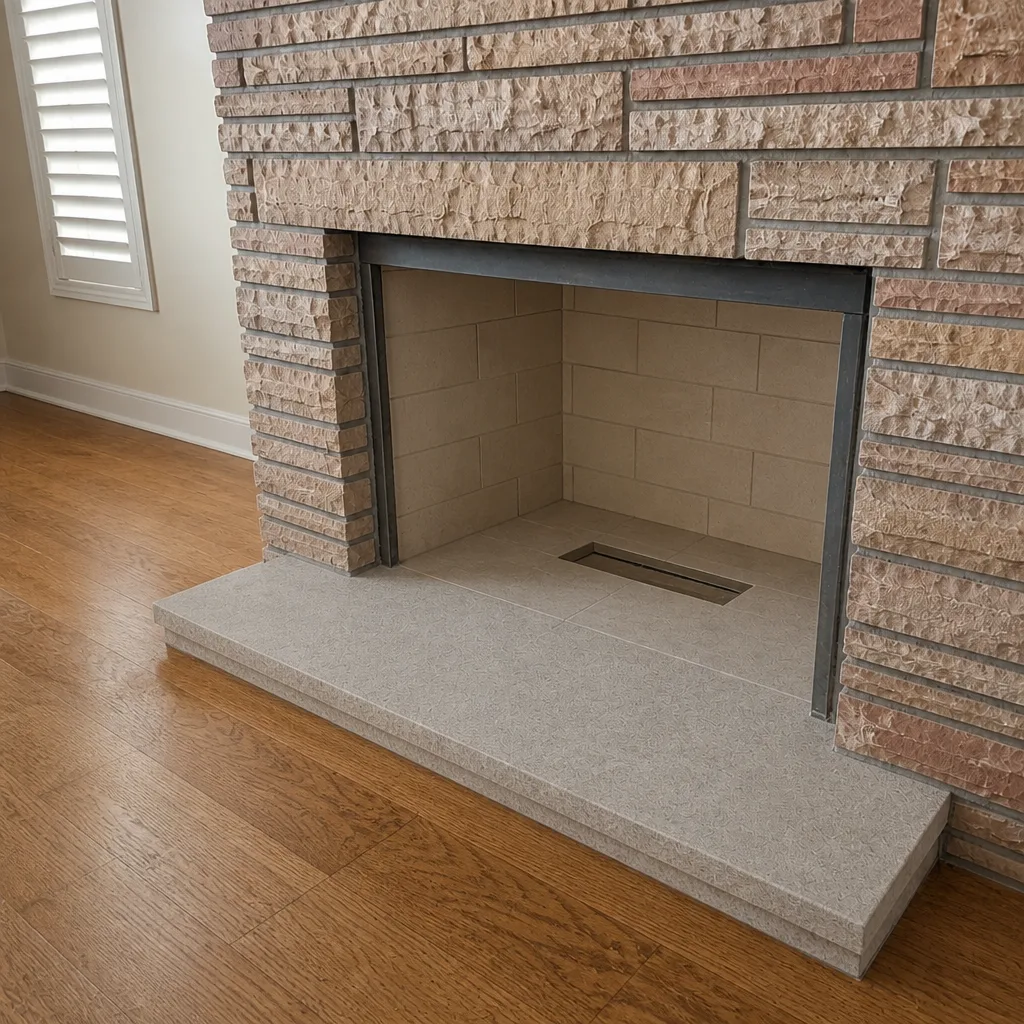
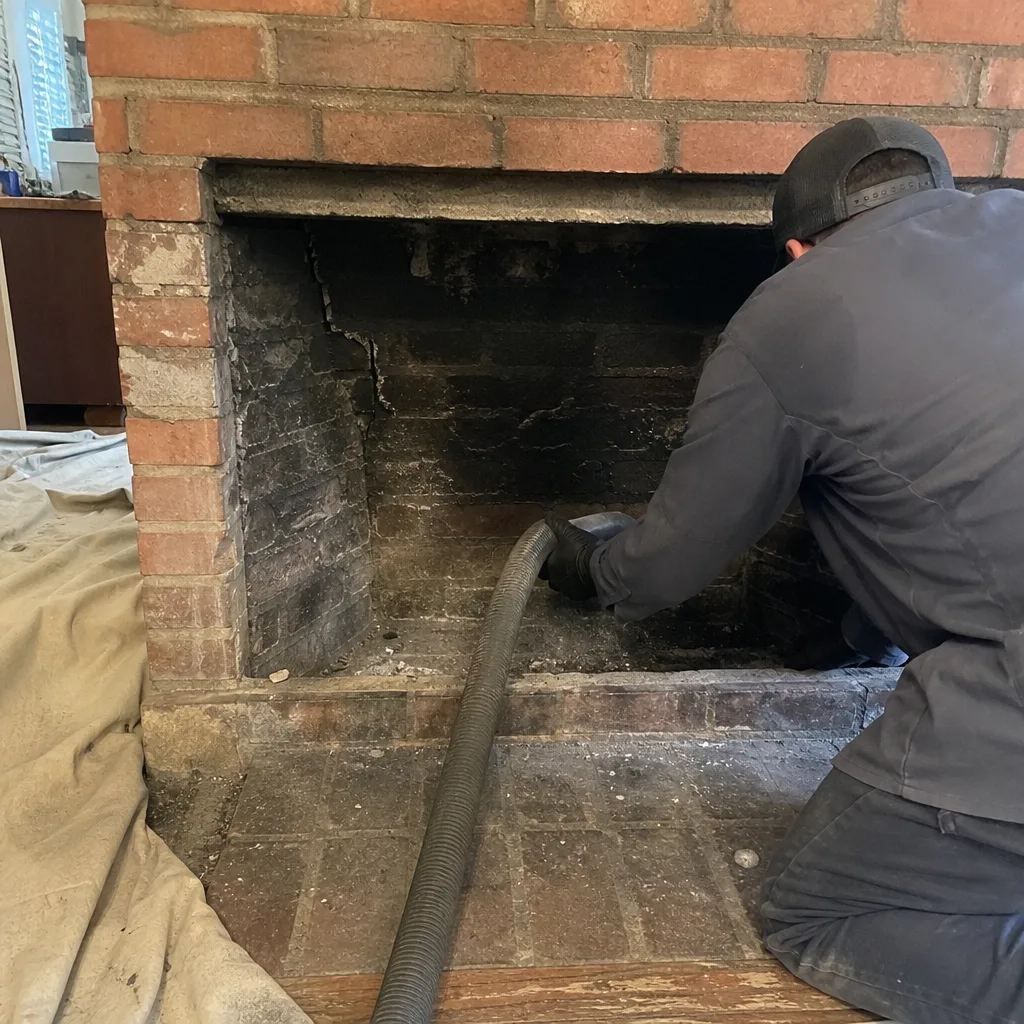
See the difference
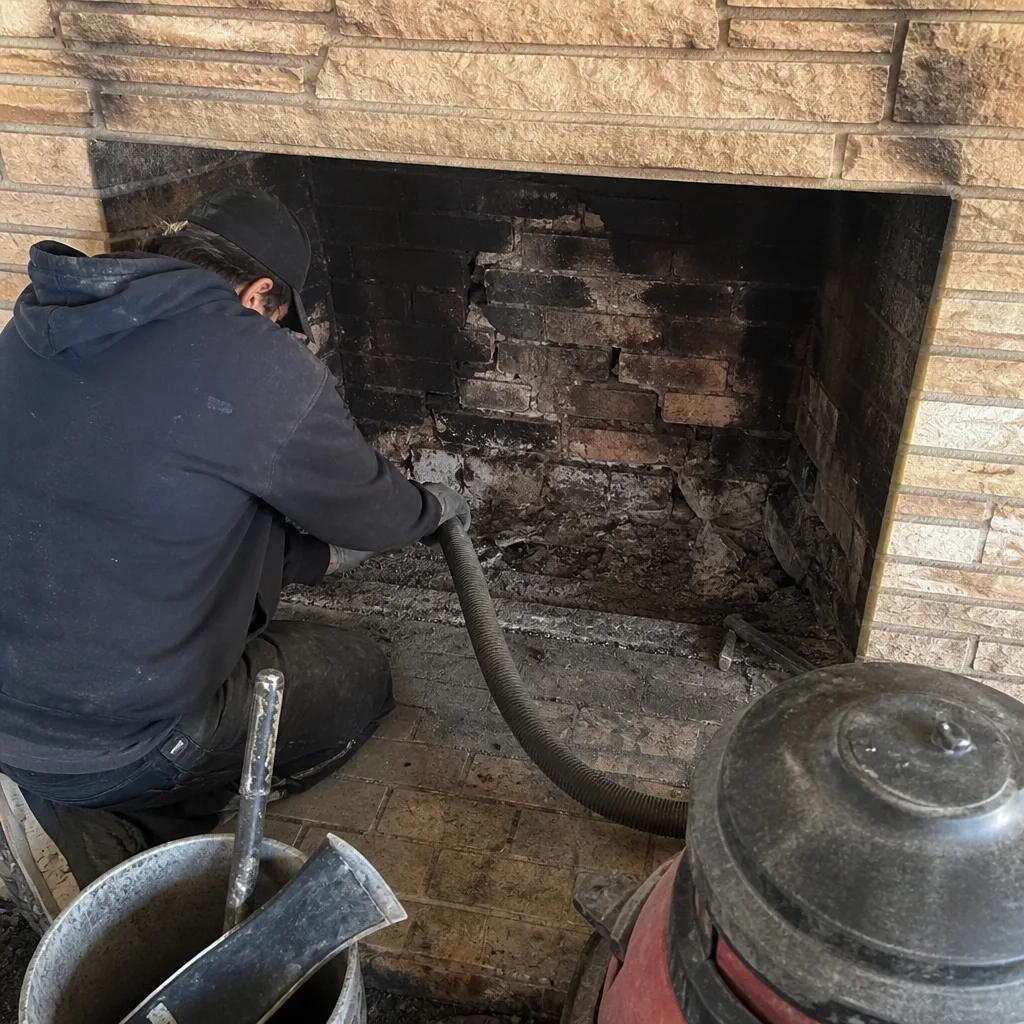 Before
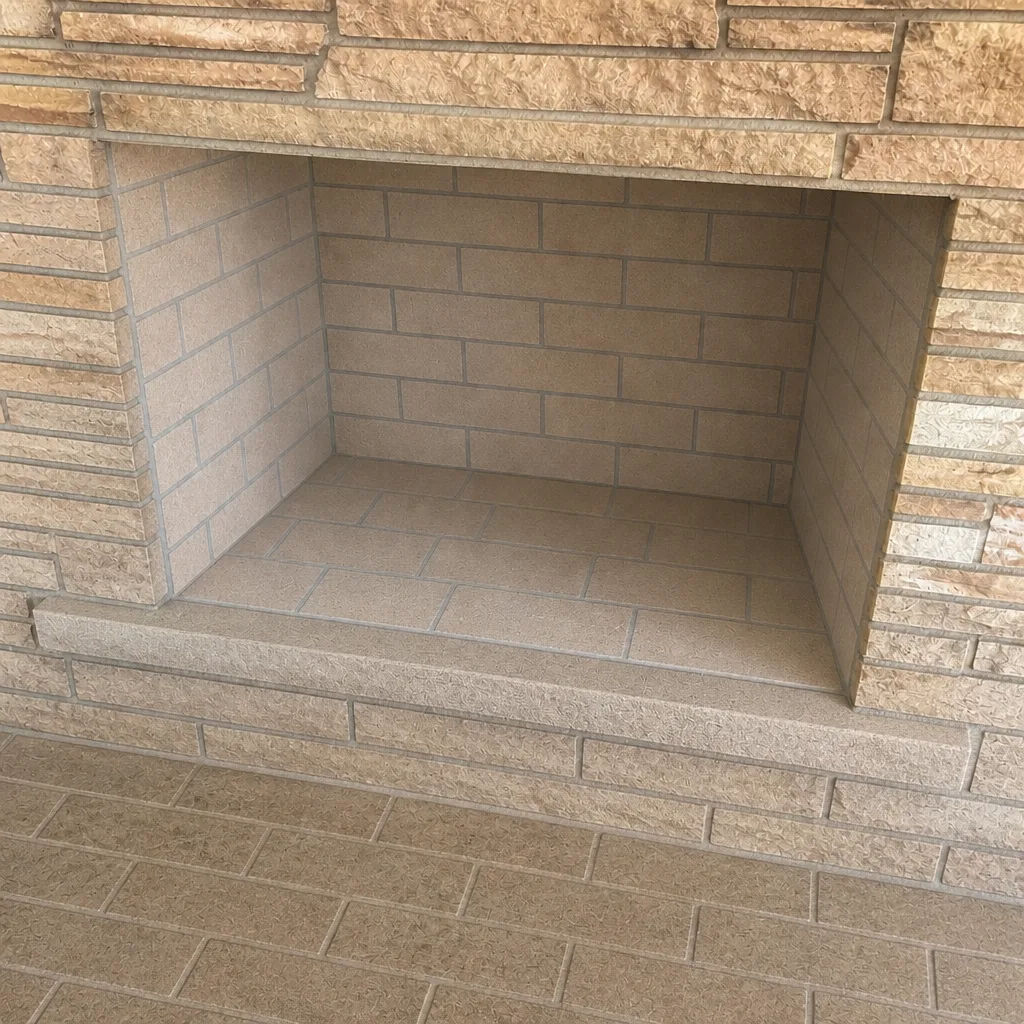 After
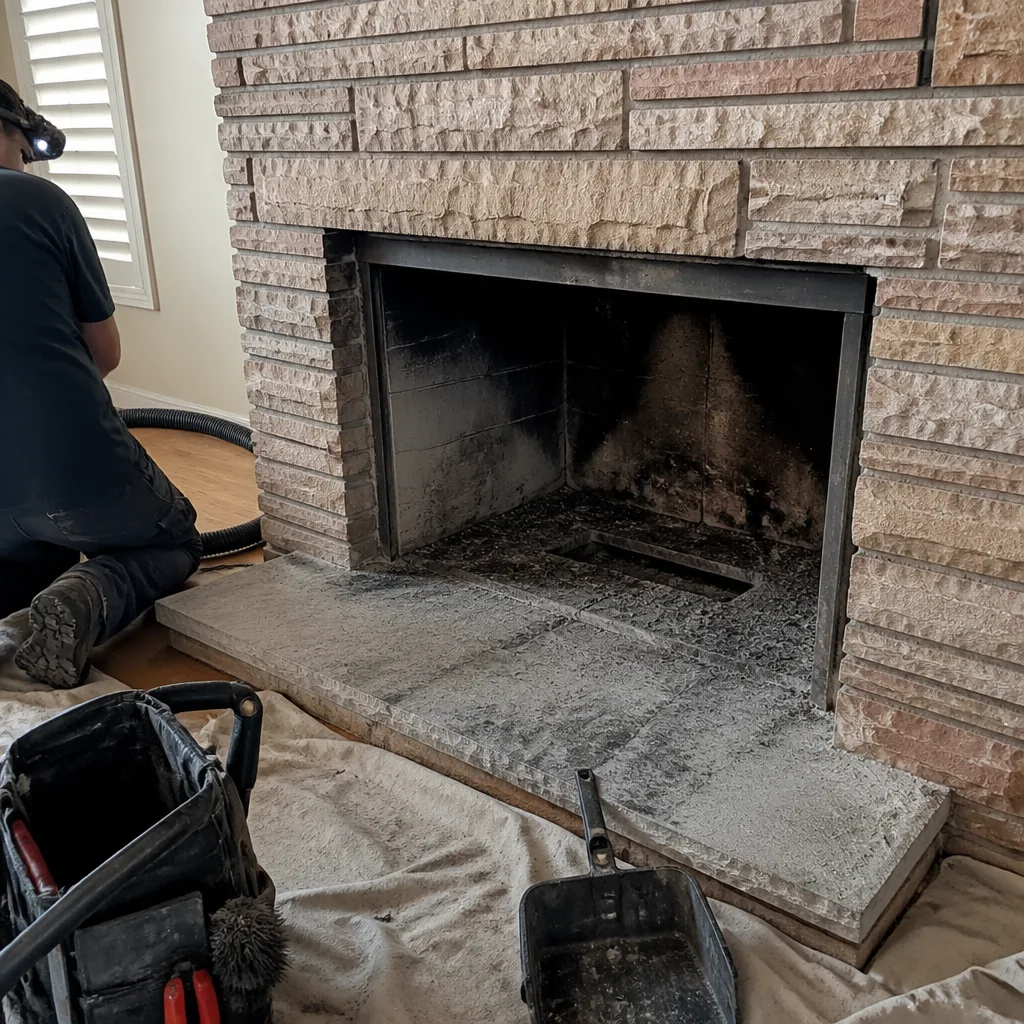 Before
 After
 Before
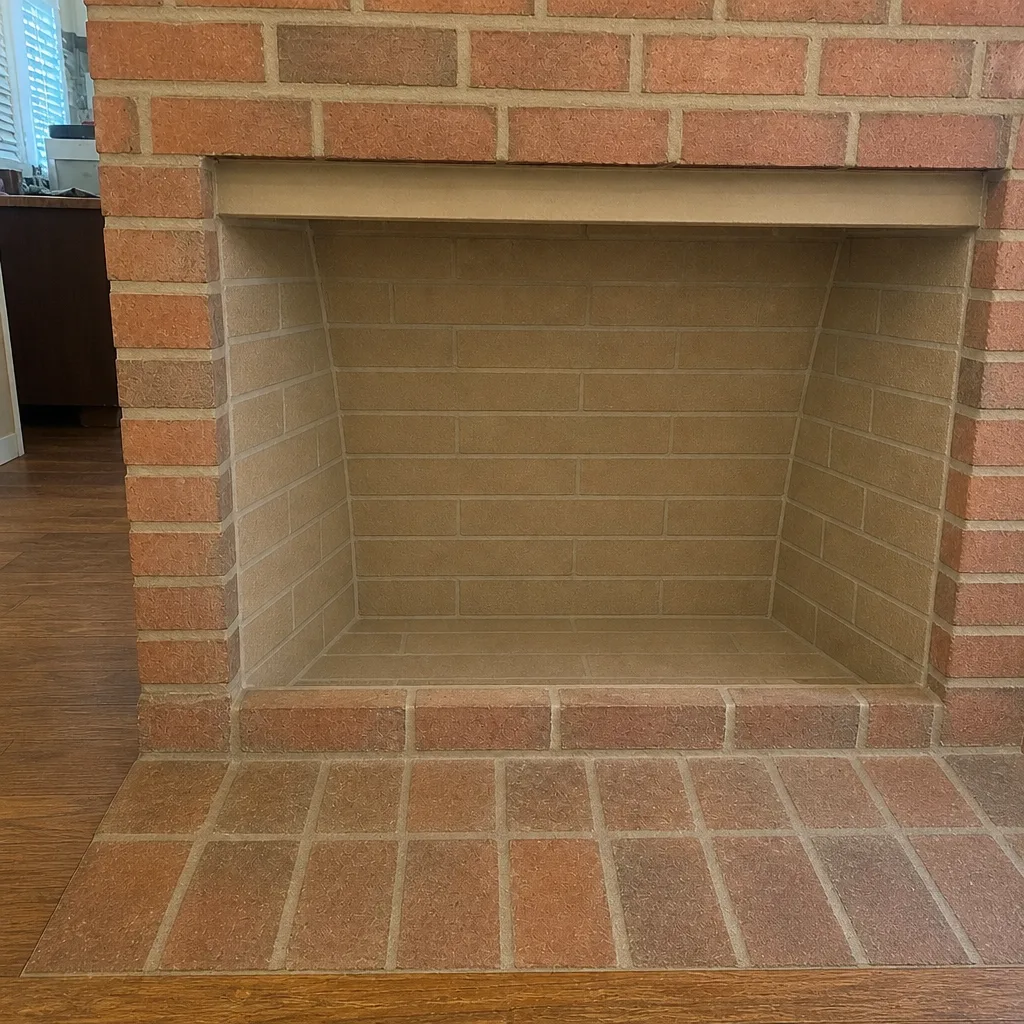 After
When to Call a Professional
Some chimney work is routine, some is genuinely a call-now situation, and some sits in between. Call a professional when you’re preparing for winter and haven’t had the flue inspected since last season, when a home inspection or insurance request flags the chimney, or when you’re buying or selling a property in Arvada and need a credible assessment. Call sooner if you notice a strong creosote smell, visible damage to the cap or crown, water staining on the chimney exterior, or smoke backing into the room. High-tension components, gas lines, and electrical work around a chimney are not do-it-yourself territory – those need a trained professional, full stop. Arvada Chimney Cleaning offers free estimates – call (855) 508-5717.
Frequently Asked Questions
Look for professional lines like HeatShield for resurfacing and liner repair, DuraFlex for relining, and Gelco or Olympia Chimney for caps and components, with parts sourced through professional chains like Copperfield and Famco. These are specified by certified chimney professionals rather than sold as consumer retail items, which usually means heavier material, higher temperature ratings, and real warranty coverage. Ask any provider to name the brand and spec on the written estimate. Call (855) 508-5717 for an exact quote – estimates are free.
A chimney sweep in Arvada is priced per job by a written estimate, usually quoted as a flat price agreed before booking, with a camera inspection and photo report included. The final number depends on the flue’s condition and what the inspection finds. The written estimate sets the final price, so ask for it in writing. Call (855) 508-5717 for an exact quote – estimates are free.
You need a new liner only when a camera inspection shows the existing flue is damaged beyond what resurfacing can restore. HeatShield can repair many damaged flue tiles without a full reline; DuraFlex relining is for flues too far gone for that. Nothing should be recommended without camera evidence you can see for yourself, and a provider should tell you plainly when a liner can wait. Call (855) 508-5717 and we’ll show you what the camera finds.
Most wood-burning chimneys should be swept and inspected once a year, ideally before burning season starts, and more often if you burn heavily. In Arvada, a flue that sat unused through the warm months has had time to accumulate creosote and debris, so a pre-season sweep catches problems before the first cold snap. A clean flue is a safe flue – we document both. Call (855) 508-5717 to book a sweep.
Creosote builds up inside the flue and can ignite, which is the cause of most chimney fires, and a damaged or blocked flue can let carbon monoxide back into the home. Both risks build quietly and don’t announce themselves until a cold night. That’s the real reason to act before burning season, not scare tactics. Call (855) 508-5717 for an exact quote – estimates are free.
Ask for the brand name, the material gauge or temperature rating, and the warranty – on the written estimate. A provider using professional materials can name them (HeatShield, DuraFlex, Gelco, Olympia, Famco, Copperfield) and state the spec; a provider using commodity products tends to answer vaguely. If the brand isn’t on paper, it isn’t verified. Call (855) 508-5717 and we’ll put the materials in writing.
The Bottom Line
The brand on the label is only half the story. What actually matters is whether the product is the professional-grade version – heavier gauge, higher temperature rating, real warranty – and whether the contractor can name it and put it in writing. HeatShield and DuraFlex for liner work, Gelco and Olympia Chimney for caps, Copperfield and Famco for traceable components: these are the supply lines that hold up under Arvada’s freeze-thaw winters. Ask for the brand, the spec, and the warranty. Then ask whether the work can safely wait, and expect an honest answer. That’s how you tell a materials standard from a marketing phrase.
Arvada Chimney Cleaning handles the sweep, the inspection, and the repair as one company, using professional-grade materials and camera evidence you can see for yourself. We answer 24/7. Fast dispatch from 7am to 7pm, Sunday through Friday. Call (855) 508-5717 for a free estimate.
Written by the team at Arvada Chimney Cleaning.