
Last updated November 15, 2026
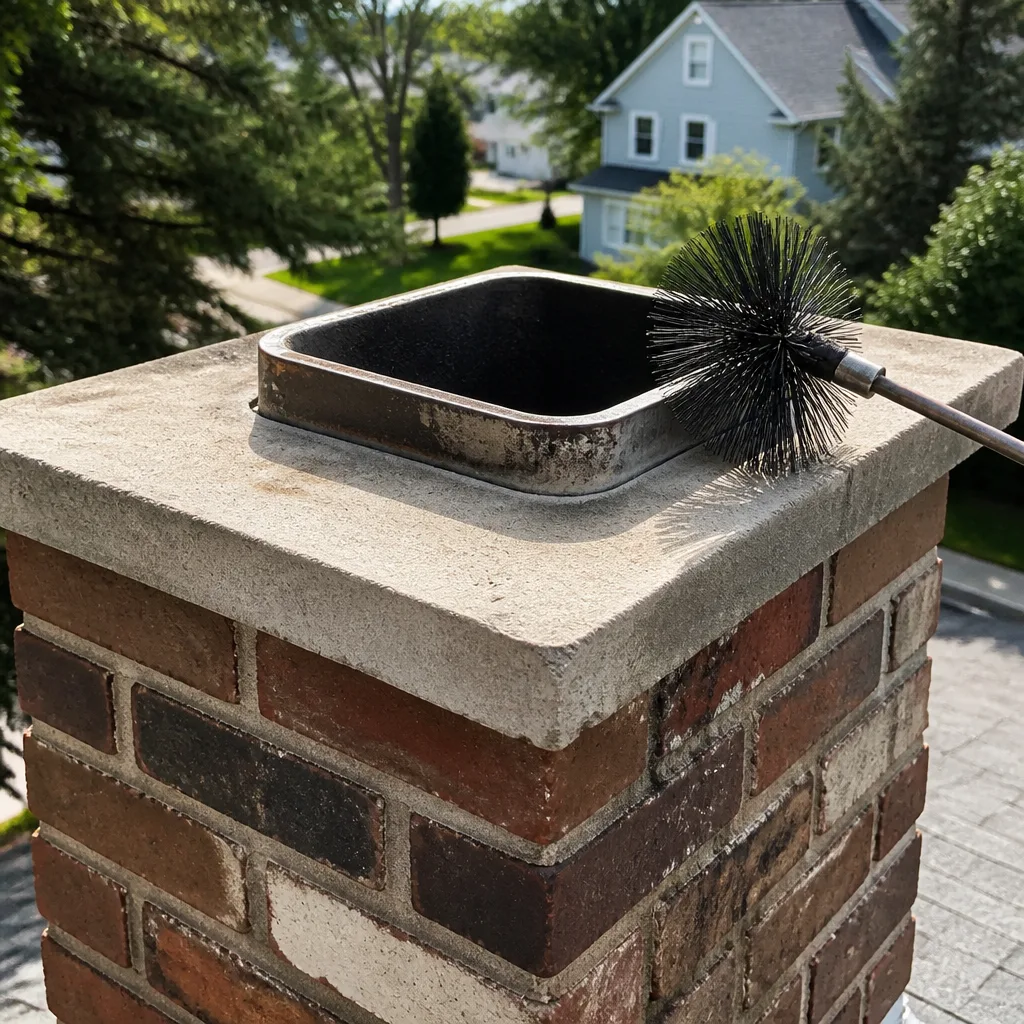 Sweep & inspection
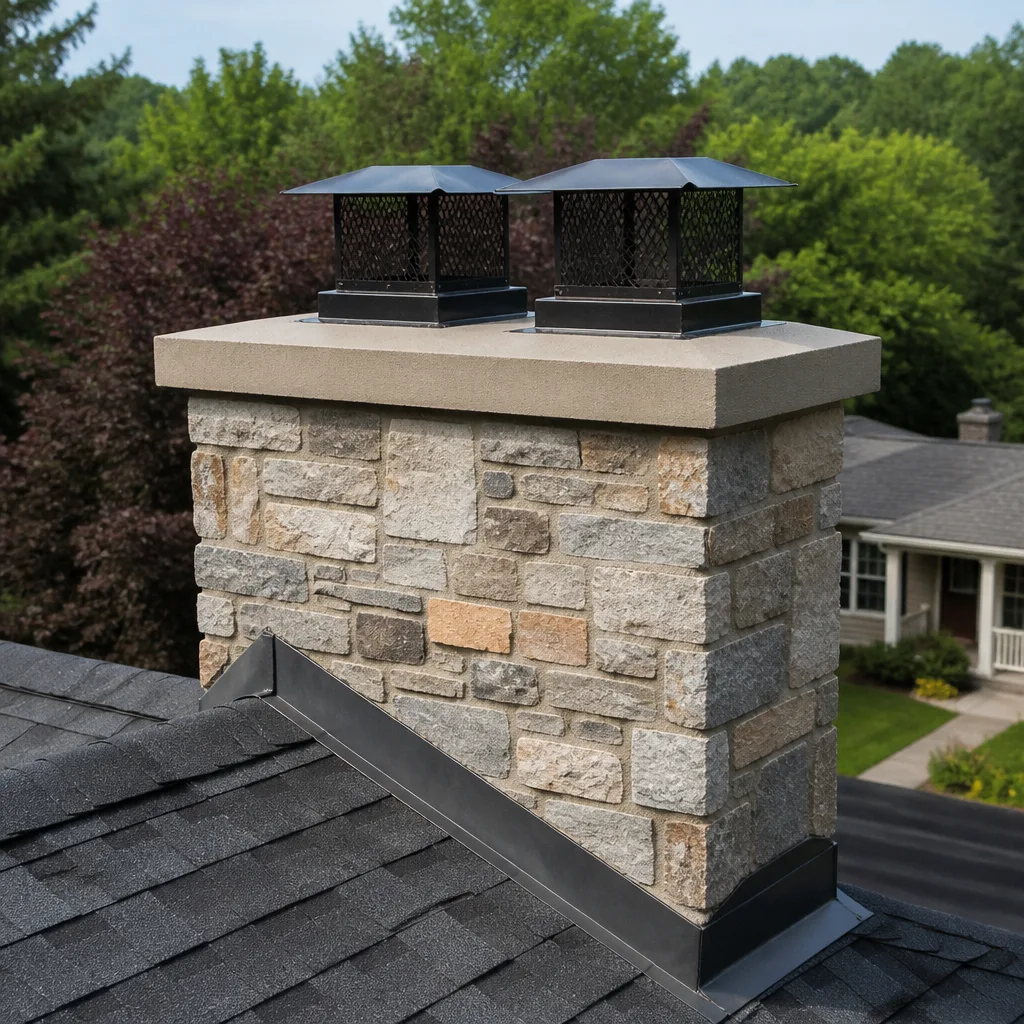 Caps & crowns
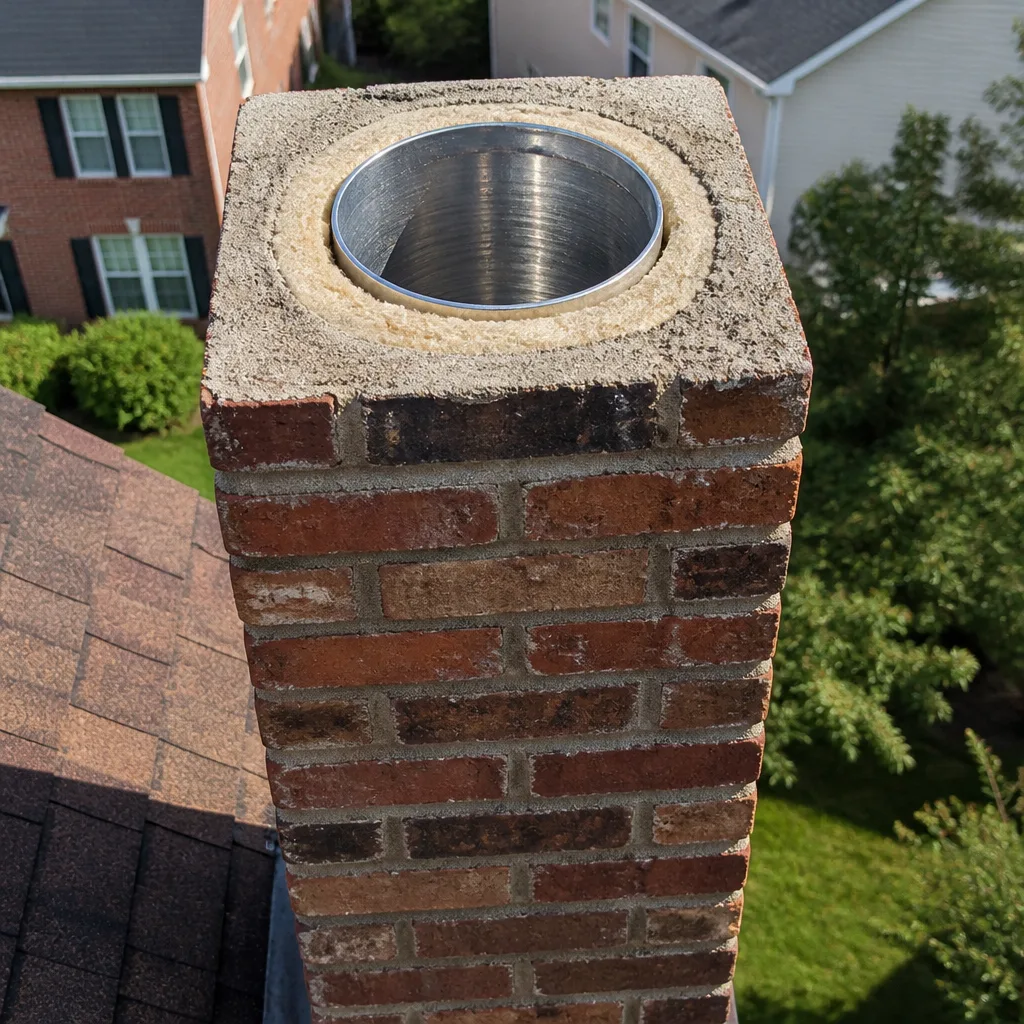 Flue relining
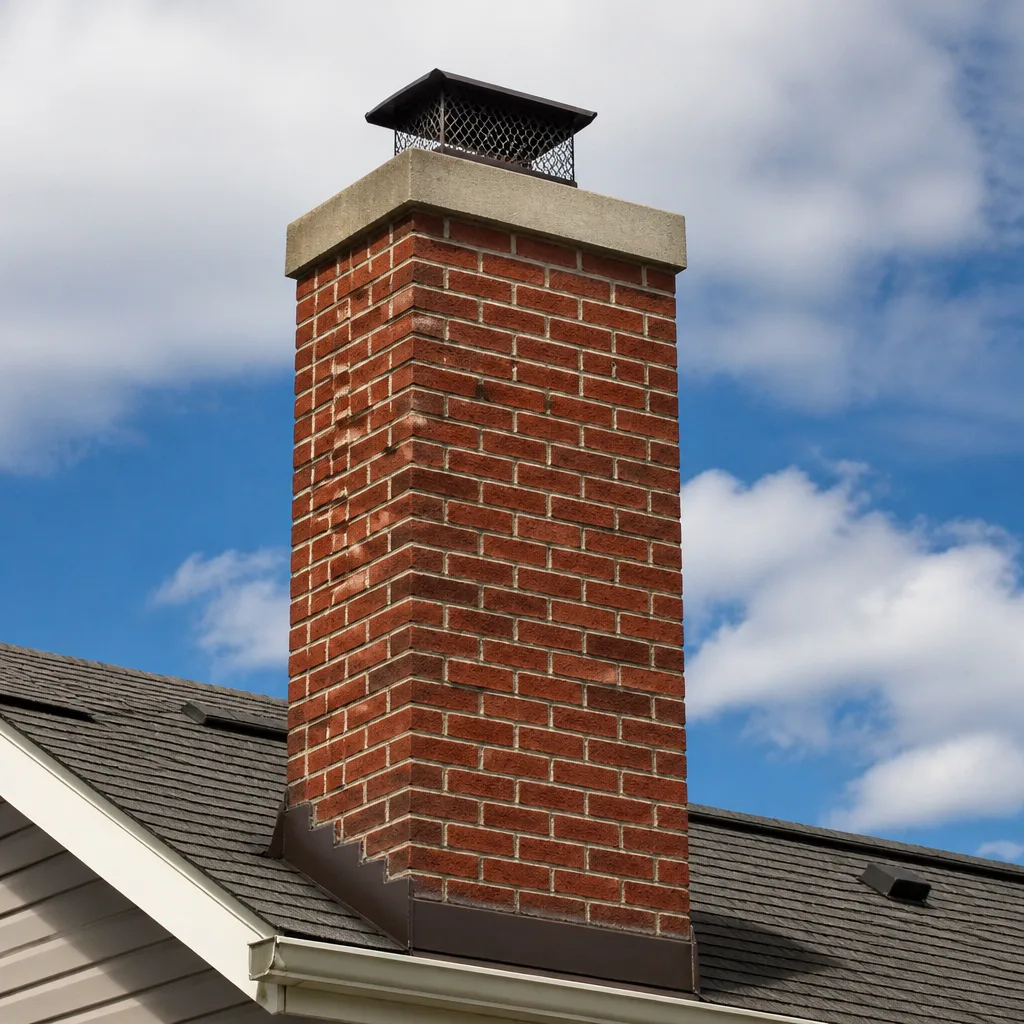 Masonry repair
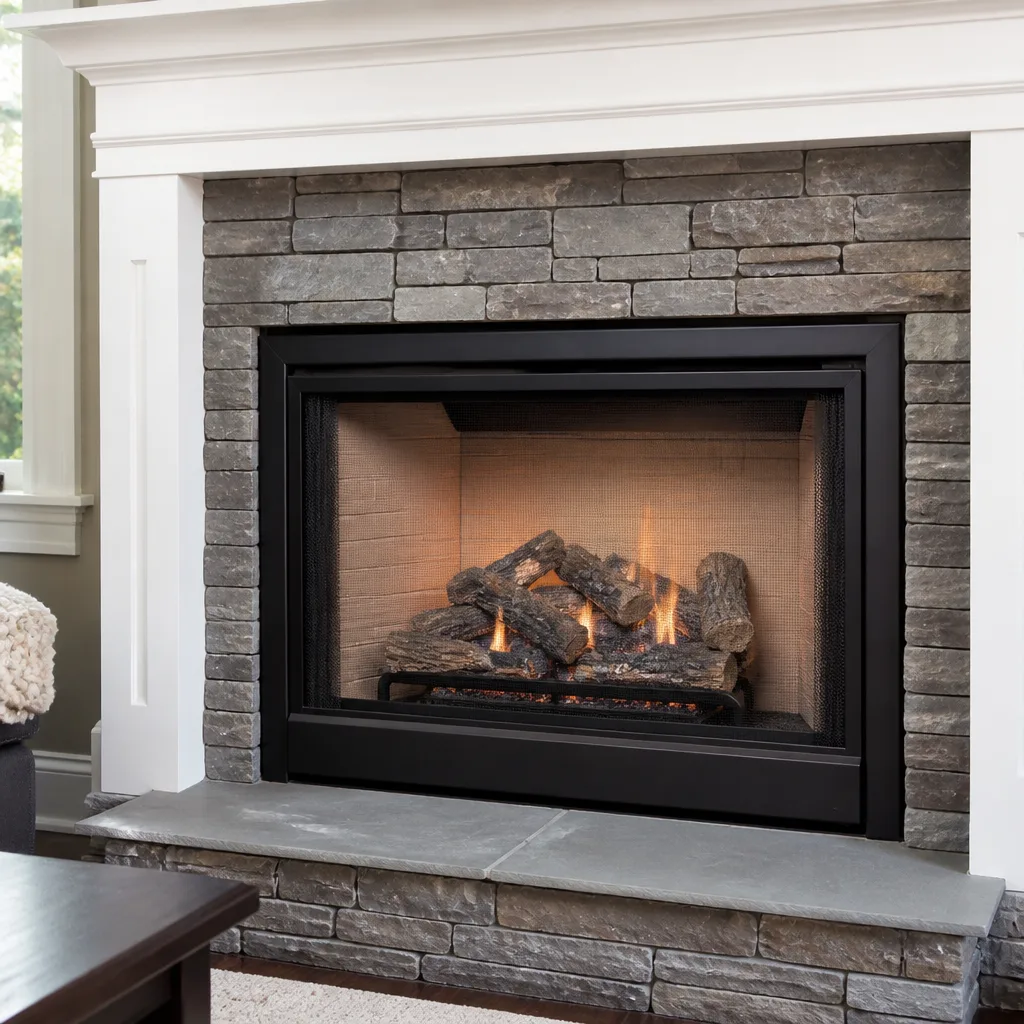 Gas fireplace service
Level 1 sweep and inspection to the NFPA 211 annual standard - flue, crown, cap, and flashing checked and photographed
Chimney sweep logs do not sweep chimneys. They loosen some creosote - which then falls where a brush and vacuum still have to collect it.
How to Hire a Chimney Cleaning Contractor in Arvada: A Step-by-Step Guide
Colorado does not license chimney sweeps at the state level. That single fact changes how you should shop for one. In most trades, you can check a license number and get a meaningful answer about competence and accountability. For chimney work, a general contractor license does not exist as a category that covers the flue, so anyone with a brush, a ladder, and a truck can print “chimney cleaning” on a business card. The burden of vetting lands on you, the homeowner, and most people don’t know what to ask. This guide gives you the exact questions and credential checks we’d want our own neighbors in Arvada to use before booking anyone.
Quick Answer
Hire a chimney cleaning contractor in Arvada by confirming four things before you book: current CSIA certification for the technician doing the work, proof of insurance that specifically covers chimney and flue work, a clear statement of which inspection level you’re paying for, and a written scope of work before any payment changes hands. Ask about materials by name, ask what the warranty covers, and insist the findings come with photo evidence you can see for yourself. Any contractor who can’t answer those plainly is not the one to trust with a flue.
Styles & brands we work with
- Sweep & inspection
- Caps & crowns
- Flue relining
- Masonry repair
- Gas fireplace service
Table of Contents
- Why chimney work is largely unregulated in Colorado
- CSIA certification vs. a general contractor license
- The five questions to ask before booking
- Red flags specific to seasonal and generalist operations
- How to read a chimney inspection report
- Why a specialist beats a handyman on repair calls
- What “professional-grade materials” actually means
- When to call a professional
Why chimney work is largely unregulated in Colorado
Colorado has no state-issued chimney sweep license. That means the title “chimney sweep” carries no legal weight on its own. A person can buy a brush at a hardware store and advertise the service the same week. Plumbers, electricians, and HVAC technicians all face state licensing and continuing education requirements. Chimney sweeps do not. The trade runs on voluntary certification, reputation, and the willingness of individual companies to hold themselves to a standard.
What fills that gap is the Chimney Safety Institute of America, known as CSIA. It offers a certified chimney sweep credential that requires passing a proctored exam, agreeing to a code of ethics, and renewing on a cycle that includes ongoing education. CSIA certification is not a government license, and it is not legally required. It is the closest thing the industry has to a verifiable standard. A CSIA-certified sweep has chosen to be tested on how fireplaces and venting actually work, not just shown how to push a brush.
There’s a second layer worth knowing. Chimney work touches fire codes and venting standards that most generalists never study. A masonry contractor can rebuild a chimney crown without understanding how the flue diameter affects draft. A roofer can flash a chimney chase without knowing whether the liner is sized correctly for the appliance. The work looks similar from the ground. It isn’t.
In Arvada, this plays out in a specific way. The housing stock spans a wide range, from mid-century ranches with original masonry fireplaces to newer builds with factory-built systems and inserts. Each type has different venting rules, different failure points, and different repair products. A contractor who works on all of them regularly knows the difference. A seasonal operator doing sweeps for a few weeks a year usually doesn’t. When you’re checking who to hire, that distinction matters more than any price you’ll see advertised.
CSIA certification vs. a general contractor license: what each covers
These two credentials answer different questions, and confusing them is the most common mistake homeowners make. Here’s the plain breakdown.
What CSIA certification covers
A CSIA-certified sweep has demonstrated knowledge of chimney and venting systems, combustion safety, and the inspection standards the industry uses. Certification means the technician has been tested on how a flue is supposed to perform, how to spot a hazard, and how to document findings. It’s a knowledge credential specific to this trade. It does not, on its own, tell you the company is insured or that the business is well run.
What a general contractor license covers
In Colorado, a general contractor license, where applicable, speaks to business and construction practice in broad strokes. It does not certify knowledge of chimney systems, flue sizing, or combustion venting. A licensed general contractor could be excellent at framing and terrible at diagnosing a cracked flue tile. The license tells you one thing about accountability. It says nothing about chimney competence.
Why you want both signals
The strongest contractor shows certification for the technical work and proof of insurance for the business risk. Ask for both. A CSIA-certified technician working for an insured company is the combination that actually protects you. One without the other leaves a gap: an uninsured specialist exposes you to liability if something goes wrong, and an insured generalist may still miss a hazard they were never trained to see.
We mention this because we work exclusively with technicians trained on the same professional standards, and our technicians have up to experience across the sweep, inspection, and repair side of the trade. When you call a company, ask who is actually showing up and what their certification is. If the answer is vague, keep looking.
The five questions to ask before booking
You don’t need to become a chimney expert to hire well. You need to ask five questions and listen carefully to the answers. Here they are, with what a good answer sounds like.
- What insurance do you carry, and can you show proof? Ask specifically about general liability and workers’ compensation. A company that does chimney work on ladders and roofs should have both. A vague “we’re covered” is not proof. Ask for a certificate.
- What level of inspection are you doing? Industry standard recognizes three levels: a Level 1 for routine annual checks on an appliance with no known problems, a Level 2 when there’s a change like a home sale, a new appliance, or a chimney fire, and a Level 3 for a serious hazard requiring access behind or inside the structure. A contractor who can’t name the level they’re providing hasn’t told you what you’re buying.
- What materials do you use for repairs? Ask for names, not adjectives. A real specialist will say the product: HeatShield ceramic resurfacing for a damaged flue, a DuraFlex liner system for relining, components sourced through professional supply lines like Copperfield or Olympia Chimney. “We use good stuff” is not an answer.
- What’s the written scope of work? Before any repair begins, you should have a document listing exactly what will be done, what it costs, and what it doesn’t include. The written estimate sets the final price. If a contractor won’t put it in writing, walk away.
- What warranty comes with the repair or liner? Liners and resurfacing are long-term investments. Ask how long the warranty runs, what it covers, and whether it’s transferable if you sell the house. A documented, warrantable liner is a different product from an improvised patch.
Ask these on the phone before you book. A specialist will answer them without hesitation and often before you finish the question. A generalist or a seasonal operator usually gets evasive by the second or third one. That hesitation is your answer.
Red flags specific to seasonal and generalist operations
The chimney trade has a predictable set of warning signs, and they show up more in some kinds of operations than others. Seasonal crews that appear once a year, generalists adding chimney work to a menu of other services, and cash-first operations all share a few habits. Here’s what to watch for.
- Vague scopes. If the estimate says “chimney work” or “misc. repairs” without a line-item breakdown, you can’t verify what you’re paying for or whether it was done.
- Cash-only pricing. There’s no paper trail, no written estimate, no warranty follow-through. Cash-only is one of the clearest signals that a company doesn’t expect to be held accountable after the job.
- No written estimate. Related to the above, but worth calling out separately. The estimate is free, and it’s written. A contractor who quotes a number verbally and asks for payment the same visit is rushing past your chance to compare.
- Pressure to repair on the spot. A sweep who finishes cleaning and immediately insists on a same-day liner replacement, without photos or a written report, is asking you to trust findings you can’t check.
- No certification asked for, no certification offered. A specialist leads with CSIA certification. If you have to dig for it, that’s a signal.
- Materials you can’t identify. “We’ll use a liner” without naming the product family is a sign the repair is improvised rather than specified.
- No documentation. Camera inspection footage and a written report are the evidence standard. A company that doesn’t offer them can’t prove what it found.
In Arvada, the seasonal pattern is worth naming directly. Chimney work is concentrated in the cooler months, so some operators run sweeps as a side job or a seasonal add-on and disappear the rest of the year. That’s not automatically a problem, but it means the person on your roof may not have seen a hundred flues, may not know the specific products used for repair, and won’t be around to back up the work. A dedicated chimney specialist does this as the core of the business, year-round, and can stand behind what they find and fix.
How to read a chimney inspection report and confirm the company is finding problems, not creating them
This is the crux of the trust problem, and it’s the one you have the most control over. You cannot see inside your flue from the ground, which makes it easy for an unscrupulous contractor to tell you it needs work you can’t verify. The defense is simple: demand camera evidence and a written report, and learn to read both.
A proper inspection produces a document and often photo or video footage. Here’s what a usable report contains:
- The inspection level stated up front. Level 1, 2, or 3, and why that level was chosen.
- An assessment of the flue interior. For a Level 2, that means a camera scan of the flue lining, with footage you can view yourself.
- Condition of the firebox, damper, smoke chamber, and chimney crown. Each area should be described in plain terms: sound, minor wear, or needs repair.
- Any observed damage with a photo. A cracked tile, a gap in the flue, a deteriorated crown. If the report claims damage, the photo should show it.
- Clear recommendations separated from observations. The report should tell you what was found, then what (if anything) should be done. Those are two different sections.
Here’s the practical test. When a contractor tells you a repair is needed, ask to see the footage or photo of that exact spot. A real problem is visible. “We recommend a full reline” without evidence you can inspect should be treated as an opinion you’re free to decline or get a second look at. And ask the honest question: does this need doing now, or can it safely wait? A trustworthy specialist will tell you plainly when work can wait, and will show you why it can’t when it can’t.
We frame the inspection service to satisfy three real needs: a home sale or purchase, an insurance request, or your annual safety check. In each case the report needs to stand on its own, because it may be read by a buyer, an agent, or an adjuster who wasn’t there. That’s the standard to hold any company to.
Why a dedicated chimney specialist beats a generalist handyman on repair calls
On a basic sweep, a generalist can produce a similar-looking result. On a repair call, the difference shows up fast. Here’s why.
A repair is only as good as the diagnosis behind it. A cracked flue tile, a failed crown, a gap where a liner meets the top plate: each has a correct product for a lasting fix and a tempting shortcut that fails within a few seasons. A chimney specialist has the diagnostic training to tell which problem is actually present, and the material knowledge to pick the right repair. A generalist often reaches for the universal patch because it’s what’s available at the hardware store. That patch may pass a glance and fail the first hard freeze.
The Arvada climate makes this especially true. The freeze-thaw cycle here is hard on masonry. Water gets into a hairline crack, freezes, expands, and opens the crack wider each winter. A repair that doesn’t address the pathway for water fails faster here than in a milder climate. That’s why material selection matters: the right mortar, the right crown mix, the right resurfacing system. Generic substitutes don’t perform the same way, and the gap shows up in the season or two after installation, long after the contractor has moved on.
There’s also the matter of coordination. When the company that swept your chimney is the same company that inspects it and the same company that repairs it, there’s no handoff where a finding gets lost. One provider for all three means the problem you were told about is the problem that gets fixed. When three different contractors are involved, each one can blame the other, and you’re the one caught in the middle. That’s why we handle the sweep, the inspection, and the repair as a single service arc. One company for the sweep, the inspection, and the repair. No handoffs, no gaps.
What “professional-grade materials” actually means, and which names to ask for
This is where a lot of contractors go quiet, because the honest answer requires naming specific products. Ask your contractor what they use for a reline and what they use for resurfacing. Listen for names. Here’s what the names mean.
- DuraFlex flexible liner systems are a recognized relining product. A DuraFlex installation gives you a documented, warrantable, code-compliant relining solution, not a temporary fix. If your contractor can’t tell you which liner system they use, ask why.
- HeatShield ceramic resurfacing is a specific system designed to restore flue integrity by laying down a ceramic layer over a damaged lining. It’s used for resurfacing and certain liner repairs where the structure allows it. It’s a named, proven product, not an improvised patch.
- Copperfield and Olympia Chimney are professional supply lines, meaning the components carry traceable quality and are the same ones used by certified chimney professionals across the country. Parts sourced through these lines aren’t whatever happens to be on the shelf.
Notice that all three share a characteristic: they’re identifiable. You can ask for the product name, look it up, and confirm the company used it. That’s the point. Generic substitutes are cheaper and easier to source, and they’re harder to hold a contractor accountable for because there’s no product name to check. When a repair crew is specifying HeatShield for a flue resurfacing job or a DuraFlex liner for a reline, the repair is a known quantity. That’s what “professional-grade materials” means in practice: a product with a name, a spec, and a warranty behind it.
If you want to compare what a full sweep-and-inspection looks like when it’s done to that standard, our chimney sweep page lays out what’s included. And if you’re already looking at repair work, our chimney repair page describes how the work is documented. For the broader picture of what we offer in the city, see Arvada and our main Arvada Chimney Cleaning page.
When to call a professional
There’s a short list of situations where calling a professional isn’t optional. Any sign of a chimney fire, whether you heard a roar and saw flames or just a crackling you couldn’t place, calls for a Level 2 inspection before the next use. A home inspection flag on the chimney means you need a report that can stand up in a transaction. An insurance request needs a credentialed inspection. A new appliance, insert, or fuel source change requires an inspection to confirm the venting matches. And any time you smell gas, see soot falling into the firebox, or notice smoke backing into the room, stop and call.
Beyond that, the routine annual sweep is the case where it’s easiest to put it off and the reason to book is seasonal. Getting it done before the burning season starts means you find problems before you’re relying on the fireplace, not in the middle of the first cold snap.
Arvada Chimney Cleaning offers free estimates in Arvada. Call (855) 508-5717. We answer 24/7. Fast dispatch from 7am to 7pm, Sunday through Friday.
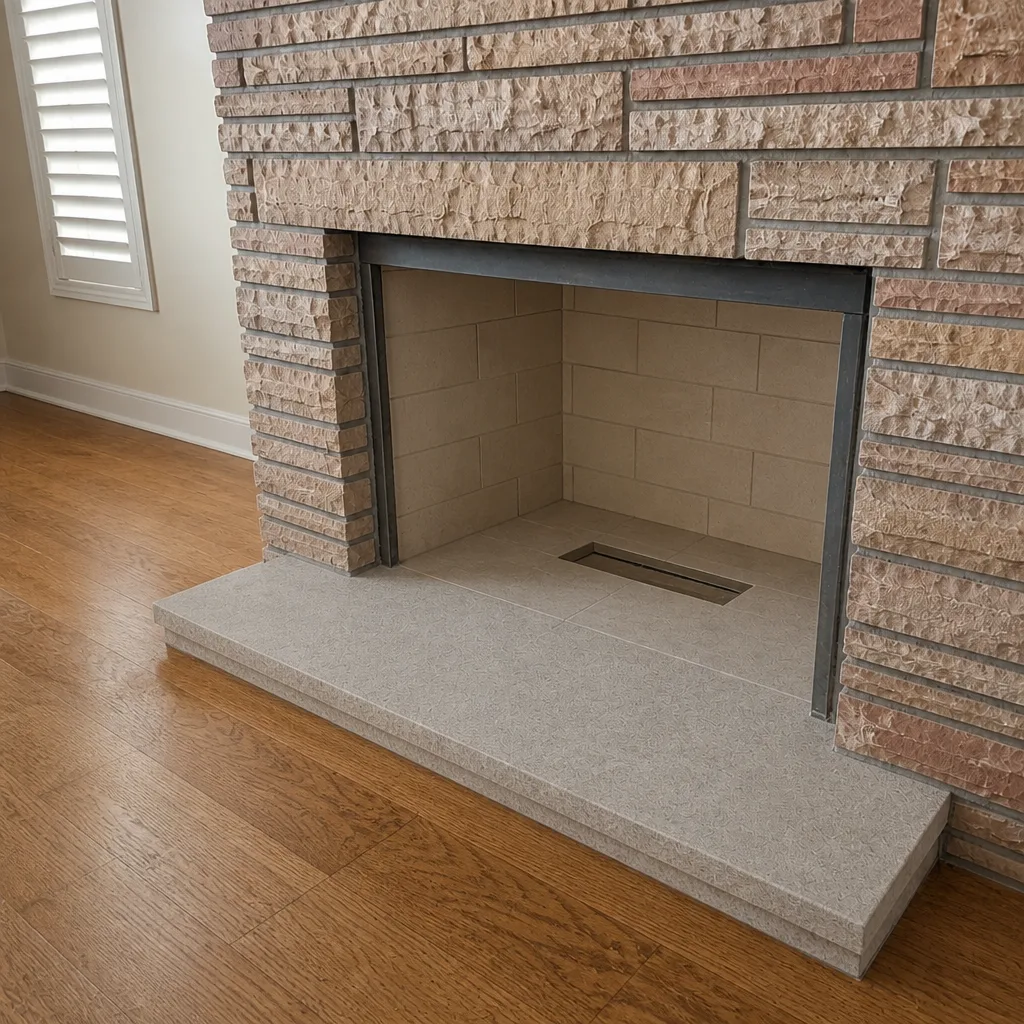
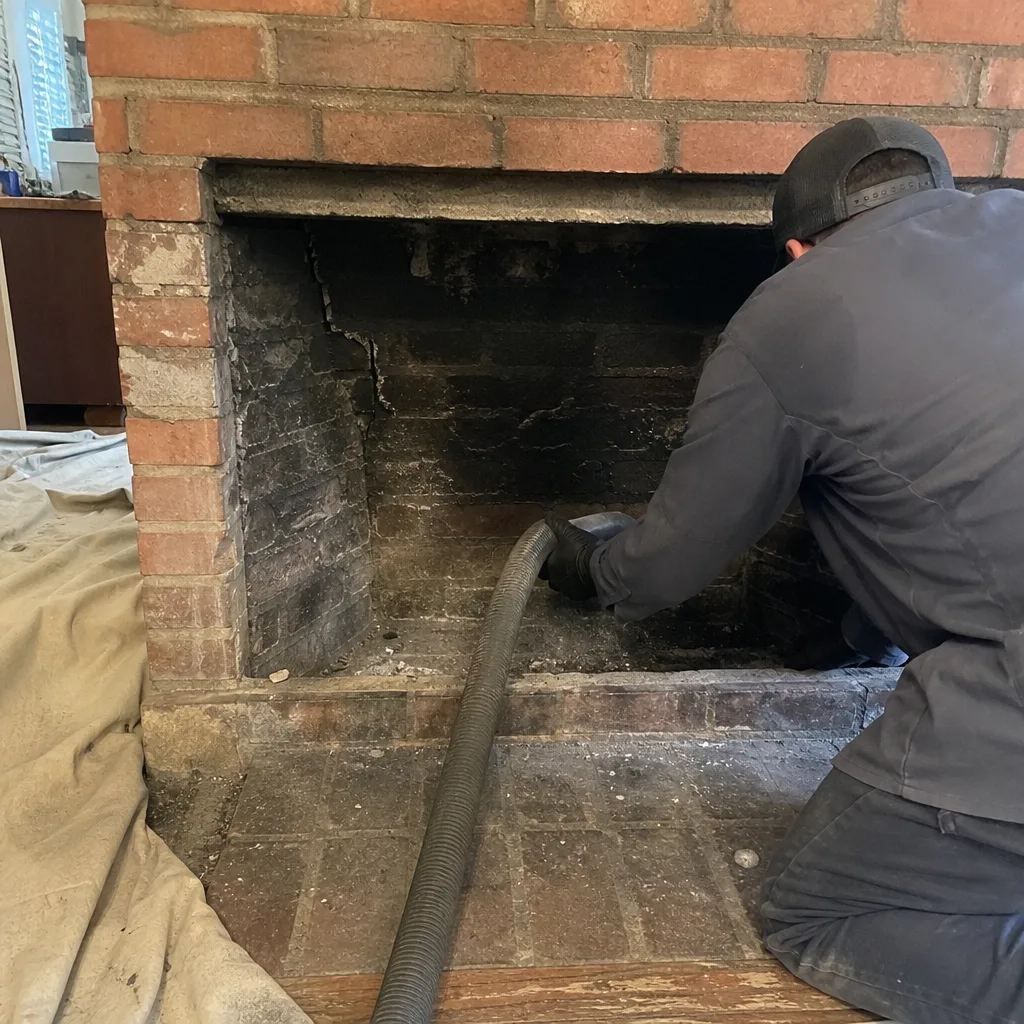
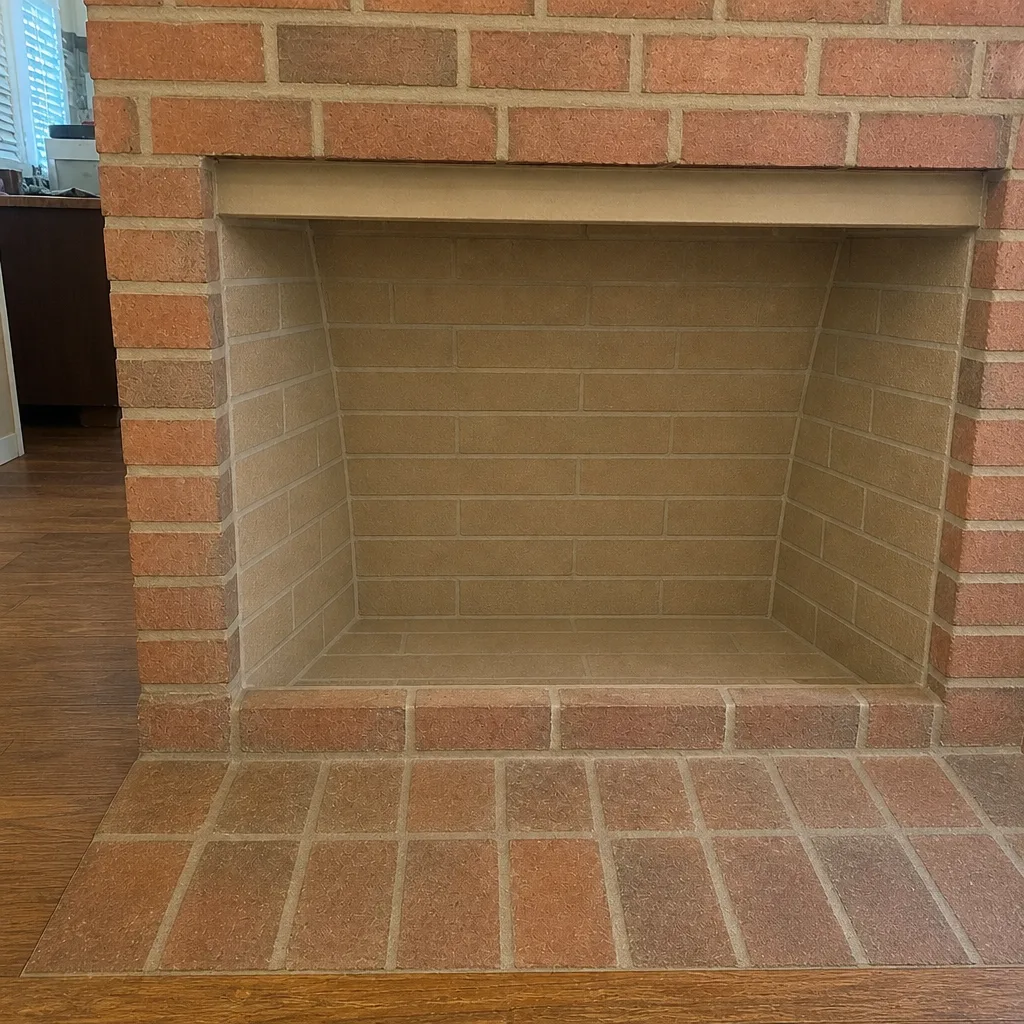
See the difference
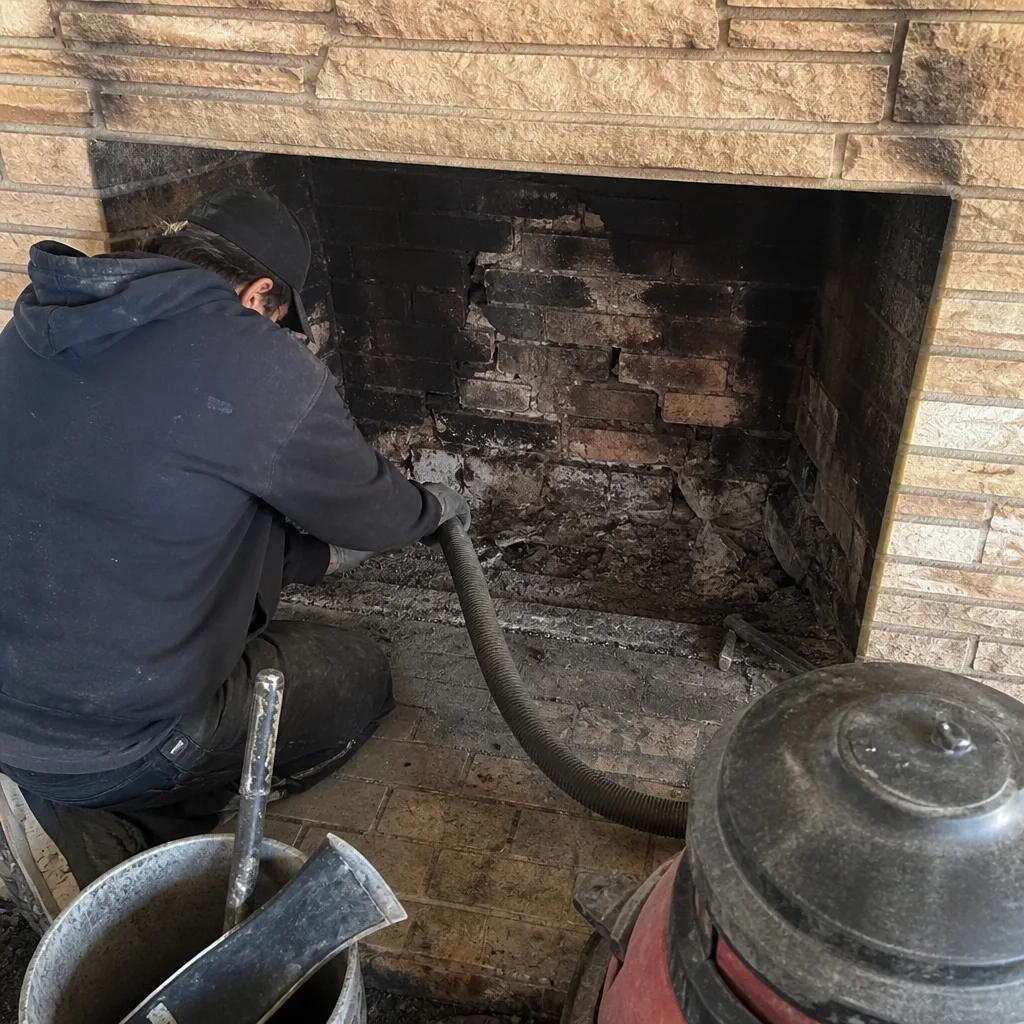 Before
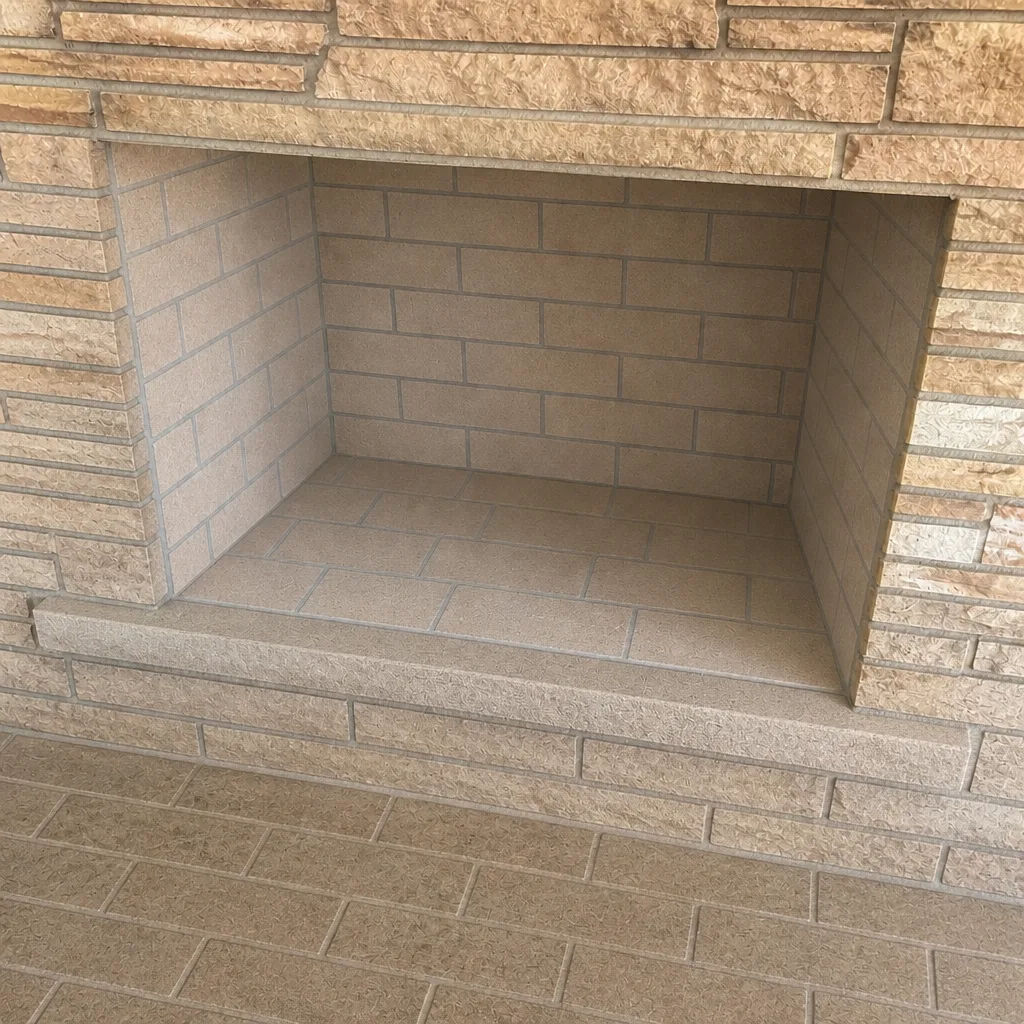 After
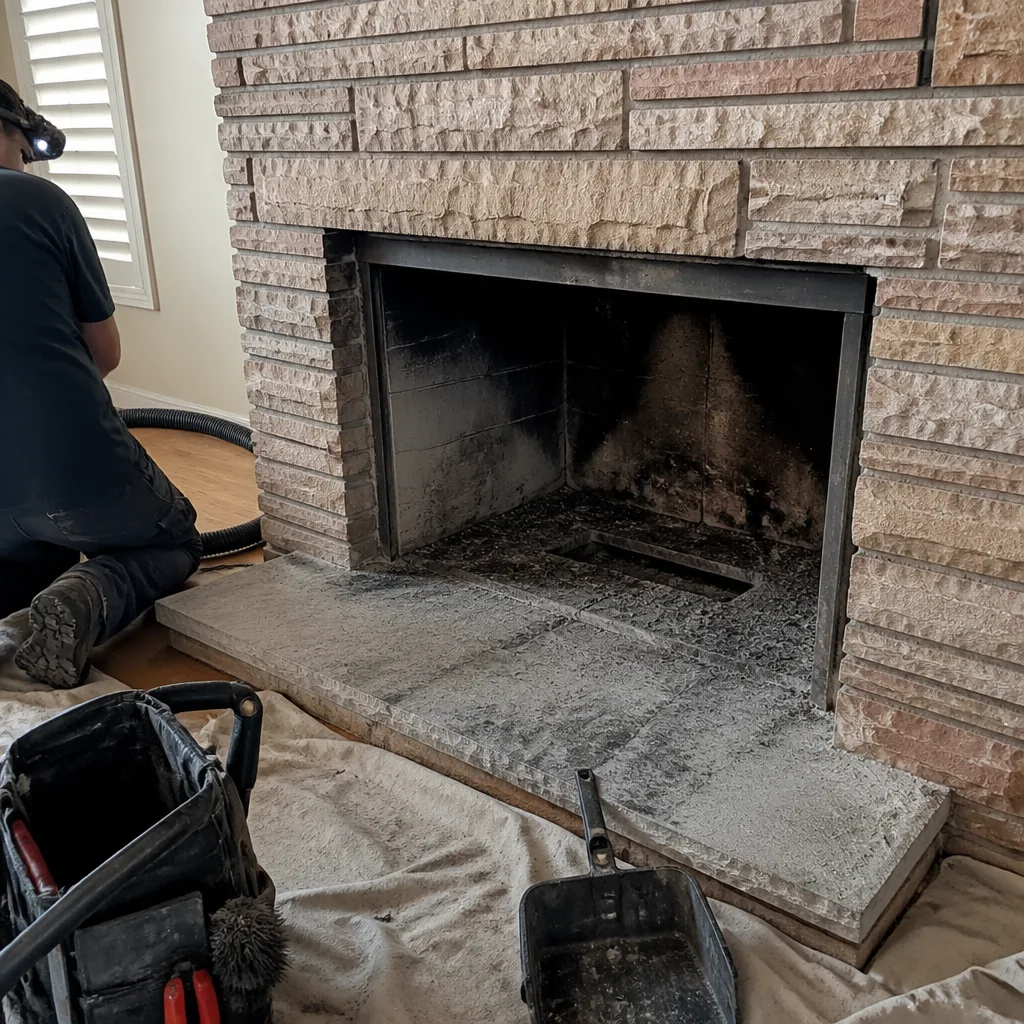 Before
 After
 Before
 After
Common Mistakes to Avoid
- Booking whoever answers first. The most available company isn’t the most qualified one. Check certification and insurance before you book, even if that means waiting a week.
- Accepting a verbal estimate. The estimate is free and it’s written. A verbal number gives you nothing to compare against and nothing to hold the contractor to.
- Skipping the inspection level question. If you don’t know whether you’re getting a Level 1 or Level 2, you don’t know what you’re paying for. In Arvada, where a lot of homes change hands and a lot of inserts get installed, the level matters.
- Treating “chimney sweep” as a generic term. It’s not. A CSIA-certified sweep has been tested. A handyman with a brush has not.
- Letting a repair happen without photos. You can’t see your flue. If the contractor can’t show you evidence of the problem, you can’t verify it exists.
- Assuming the cheapest quote is the same job. A cheap sweep and a cheap reline are two different things. The sweep has a short lifecycle; the liner should last for years. Don’t apply sweep pricing logic to liner work.
- Ignoring the freeze-thaw question. When a masonry repair is proposed, ask how it’s built to survive an Arvada winter. A generic patch is a future repair.
Frequently Asked Questions
Colorado does not issue a state license specifically for chimney sweeps, so there’s no license number to check for the sweep itself. What you check instead is CSIA certification for the technician and proof of insurance for the company. Both signals together give you the protection a license would normally provide.
Inspection pricing depends on the level: a Level 1 for a routine check is generally the least involved, a Level 2 with a camera scan costs more because it includes more, and a Level 3, which requires opening the structure, is a larger job. Ask for the specific level and the written estimate, and remember the estimate is free. Call (855) 508-5717 for an exact quote.
Once a year is the standard for a fireplace in regular use, and the season to do it is before the burning months start. A fireplace used heavily, or one burning wood that leaves a lot of creosote, may need it more often. If you’ve never had it swept, start now and have it checked before you light a fire.
Creosote builds up inside the flue, and creosote is flammable. Enough of it and a chimney fire becomes a real risk. A blocked or damaged flue also vents carbon monoxide into the home instead of out of it. Those are the two risks that make the sweep worth doing, and both are things a camera inspection can show you. Call (855) 508-5717 to book before the season.
You ask to see the evidence. A real problem shows up on camera footage or in a photo, and you should be able to view it yourself. Ask the contractor to point to the specific spot on the footage. And ask whether the repair can safely wait, because an honest one will tell you when it can. If the findings can’t be shown, treat the recommendation as unverified.
A named product is a known quantity: it has a spec, a warranty, and a track record you can check. “A liner” or “a patch” with no name behind it is usually a generic substitute that may not hold up through Arvada’s freeze-thaw winters. Ask for the product name before you commit to any repair.
The Bottom Line
Because Colorado doesn’t license chimney sweeps, hiring well comes down to the questions you ask. Confirm CSIA certification and insurance before you book. Insist on knowing which inspection level you’re paying for and what materials any repair will use. Demand a written scope and photo evidence you can inspect yourself. Watch for vague scopes, cash-only pricing, and pressure to repair on the spot. The right contractor will answer every one of those plainly, tell you which brand of liner they’d use, and say honestly when a repair can wait. Built to last, not patched to pass.
If you’re ready to book a sweep or an inspection in Arvada, call (855) 508-5717 for a free estimate. We answer 24/7. Fast dispatch from 7am to 7pm, Sunday through Friday.
Written by the team at Arvada Chimney Cleaning.