
Last updated November 15, 2026
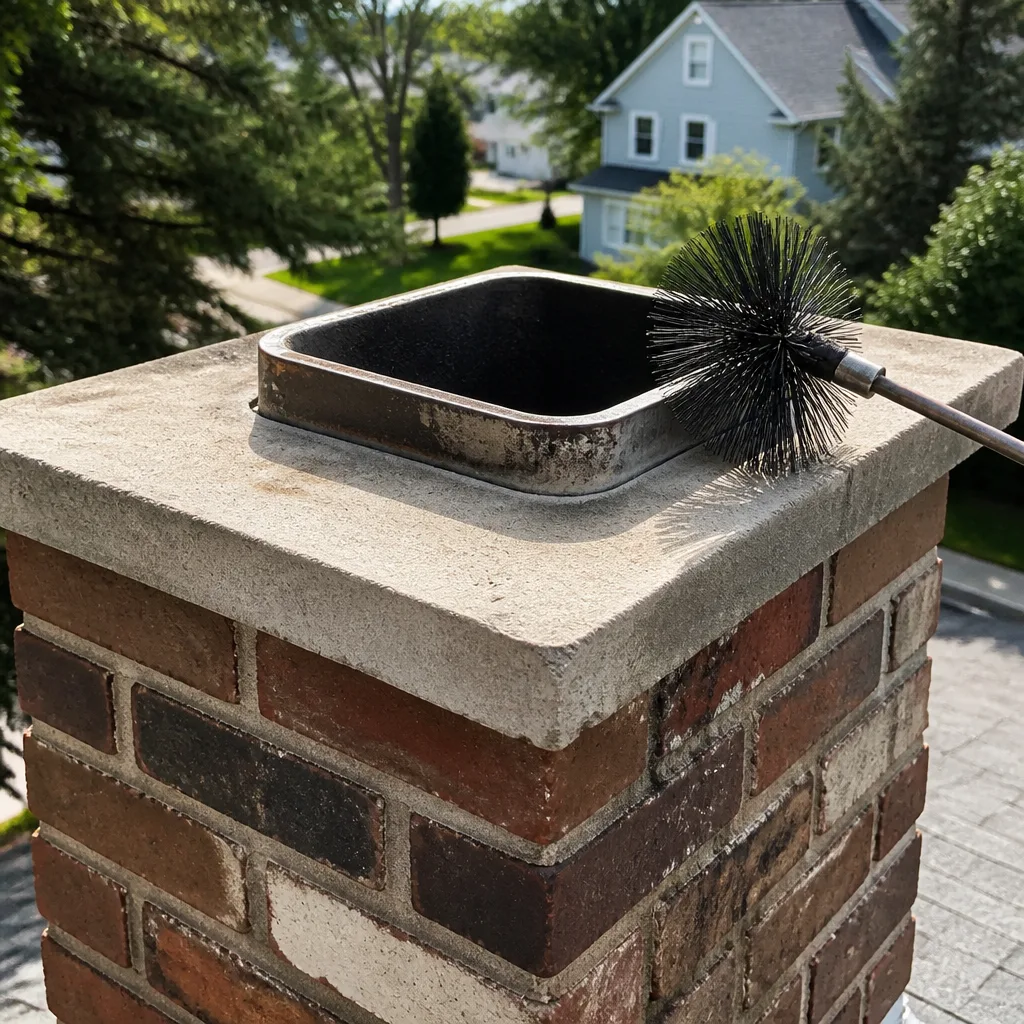 Sweep & inspection
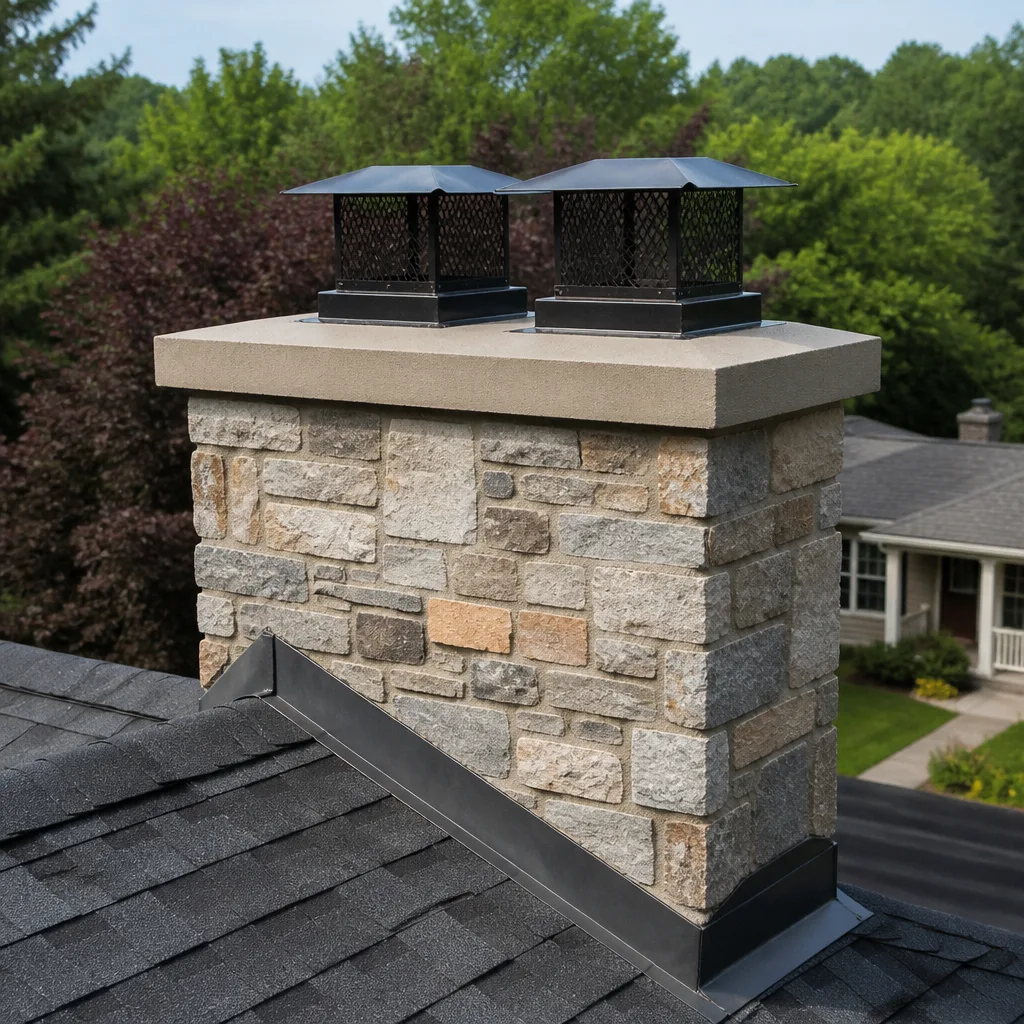 Caps & crowns
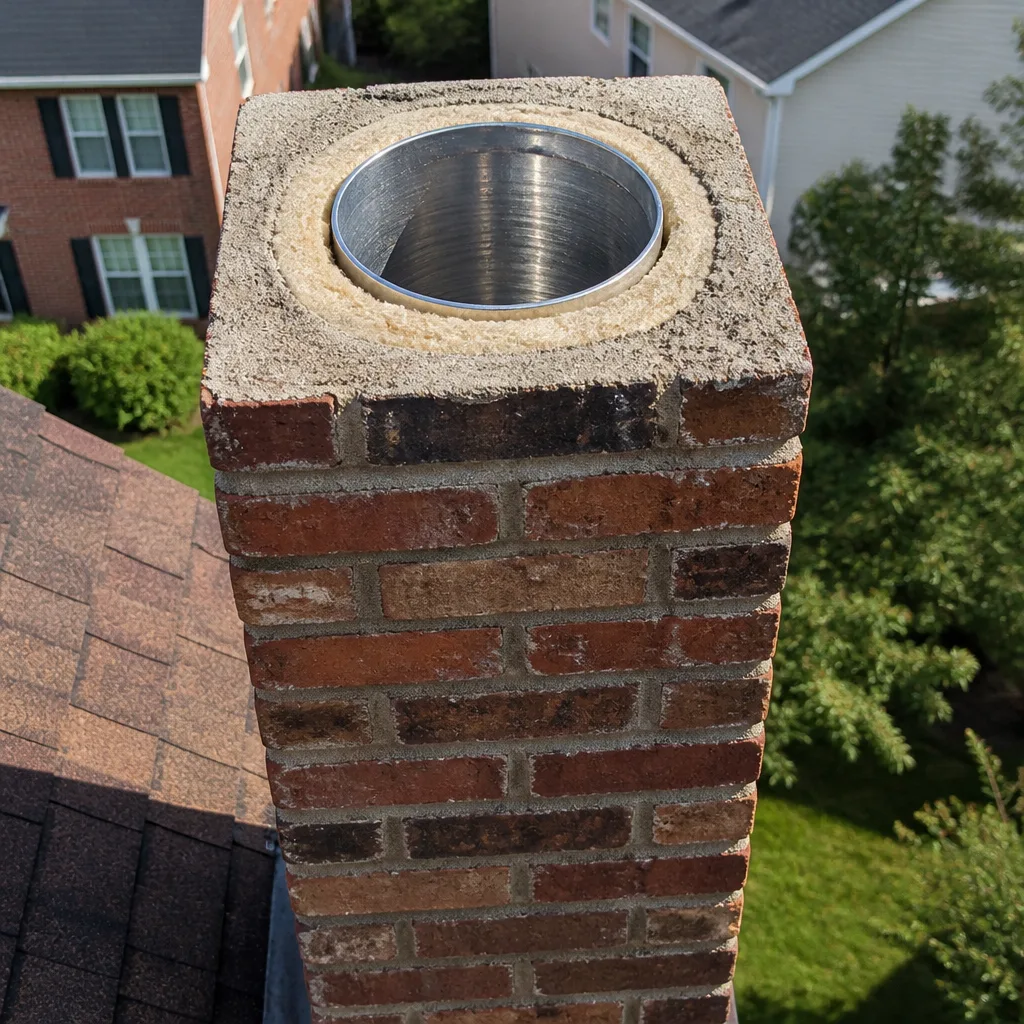 Flue relining
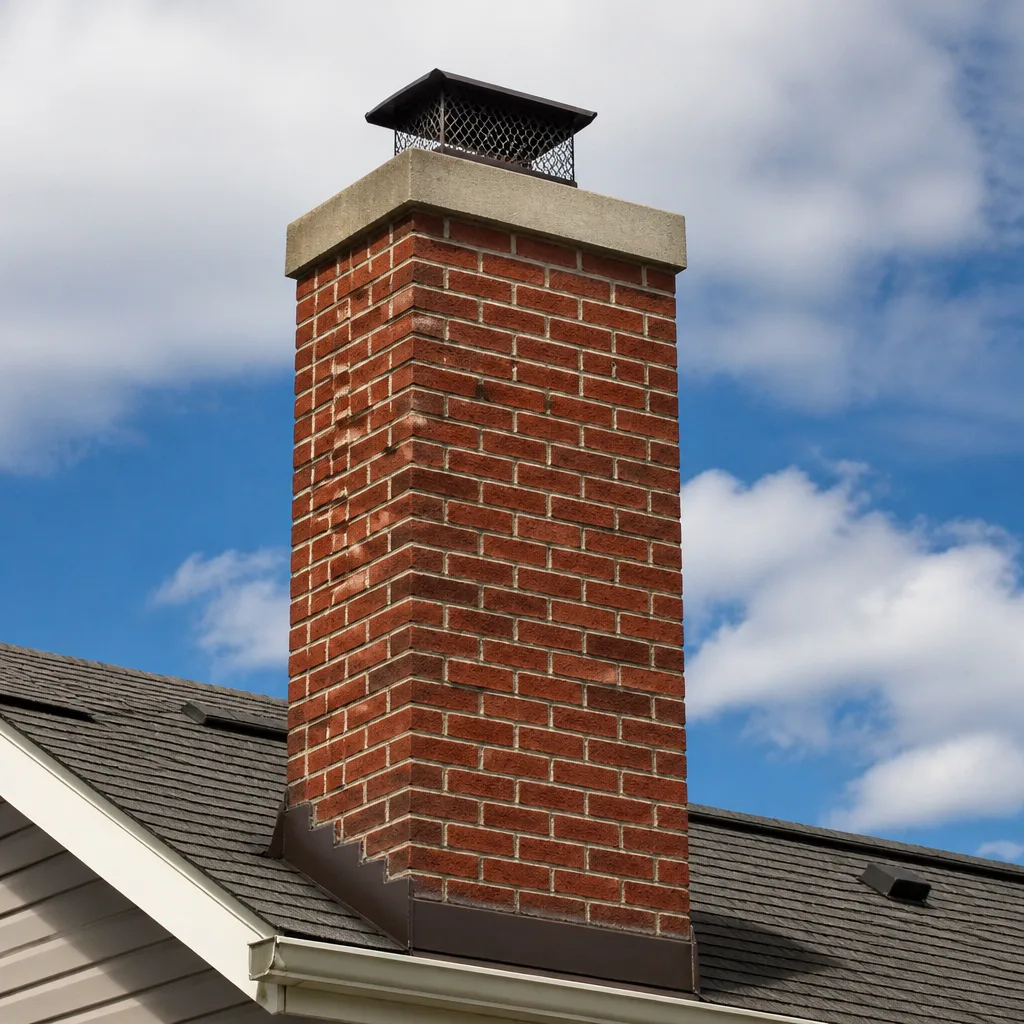 Masonry repair
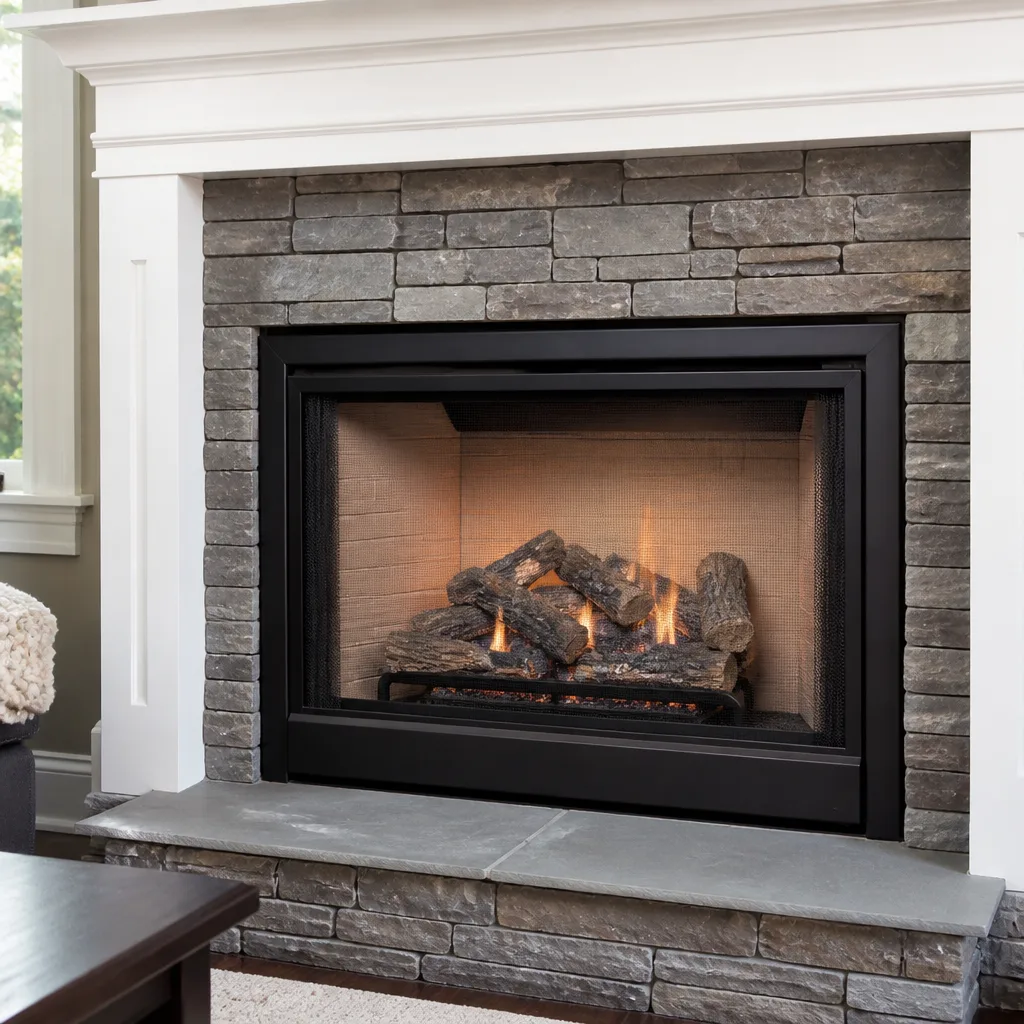 Gas fireplace service
Level 1 sweep and inspection to the NFPA 211 annual standard - flue, crown, cap, and flashing checked and photographed
Chimney sweep logs do not sweep chimneys. They loosen some creosote - which then falls where a brush and vacuum still have to collect it.
Chimney Cleaning Emergency Preparedness Guide for Arvada Homes
A chimney fire doesn’t announce itself the way people expect. There’s no dramatic flame shooting from the top of the stack in most cases. What homeowners in Arvada often describe is a low roar, something like a distant freight train running inside the wall, or a vibration they feel more than hear. Many people mistake it for wind coming down the flue on a gusty Front Range evening. By the time they realize what they’re hearing, the liner may already be compromised. This guide walks through how to recognize a chimney fire while it’s happening, what to do in the first few minutes, how carbon monoxide fits into the picture when a flue fails, and what a chimney needs before it’s safe to use again.
Quick Answer
If you think your chimney is on fire, close the damper if you can reach it safely, get everyone out of the house, and call 911. Don’t put water on a hot masonry chimney. After any suspected chimney fire, the flue must be inspected by a professional before the fireplace or stove is used again, because a liner that looks intact from the firebox can be cracked or warped where you can’t see it. Carbon monoxide is the second emergency to watch for: a failed liner can let combustion gases migrate into the home even after the fire itself is out.
Styles & brands we work with
- Sweep & inspection
- Caps & crowns
- Flue relining
- Masonry repair
- Gas fireplace service
Table of Contents
- How do you recognize a chimney fire while it’s happening?
- What should you do during a chimney fire?
- Why is a cracked liner a carbon monoxide hazard right now?
- What happens after a chimney fire?
- How do you prevent a chimney fire before the season starts?
- What is creosote and why does stage matter?
- What does a post-emergency inspection actually involve?
- What belongs in a chimney emergency plan for an Arvada home?
How do you recognize a chimney fire while it’s happening?
A chimney fire is usually identified by sound and smell before it’s identified by sight. The classic sign is a low, rumbling roar that seems to come from inside the wall or above the firebox, often compared to a freight train passing at a distance. Some homeowners hear a ticking or crackling that’s louder and more rhythmic than normal fire noise. Others notice a hot, acrid smell in the room, or a puff of dark smoke pushing back through the damper instead of drawing up the flue.
From outside, the signs can be dramatic or surprisingly subtle. Look for:
- Thick, dark smoke or visible flame coming from the top of the chimney
- Sparks or embers escaping the crown
- A roaring or buzzing sound audible from the yard
- Creosote flakes or pieces of liner material landing on the roof or in the yard
- A warped or discolored chimney cap
- Heat radiating from the chimney chase or nearby framing
In Arvada, the tricky part is that the wind coming off the foothills on a cold night can sound a lot like a chimney fire from inside the house. That similarity is why people hesitate. Our advice is to trust the check: step outside, look at the top of the stack, and listen. If the roar is coming from the chimney and not the trees, treat it as a chimney fire until a professional tells you otherwise.
The smell test
A hot, glue-like or burning-rubber smell in the room is a red flag that shouldn’t be dismissed. That odor often means a liner, a gasket, or another component is being exposed to temperatures beyond what it’s rated for. Wood smoke that smells normal is one thing; a chemical or plastic smell combined with a roar is another.
What should you do during a chimney fire?
The minutes between noticing a chimney fire and getting help on the way decide whether the event stays contained or spreads into the structure. Here’s the order we recommend, and it’s the order to teach everyone in the household:
- Get everyone out of the house first. This comes before anything else. A chimney fire can spread to framing quickly, and no possession is worth staying inside for.
- Call 911 from outside. Even if the fire seems to have died down, call. Firefighters can check the chase and attic for heat that isn’t visible from the living room.
- Close the damper if you can do it safely on the way out. Shutting the damper limits the air feeding the fire. Don’t linger to do it. If the handle is hot or you’re not sure, leave it.
- Do not put water on a masonry chimney. A sudden temperature drop can crack masonry, and water poured into a hot flue can flash to steam. This is a professional’s call, not a homeowner’s.
- Don’t close the glass doors on a wood stove if the fire is roaring. Some stove manuals recommend controlling air intake instead. Follow the manufacturer’s emergency instruction if you have one printed nearby, but never delay getting out.
- Stay out until the fire department clears the home. Re-entering to check on the fire is the most common mistake.
One more note: never rely on the fireplace to “burn itself out” while you watch. Chimney fires can smolder in the creosote above the firebox without producing visible smoke, then flare when more air reaches them. The safest assumption is that the fire is still going until a professional confirms otherwise.
Why is a cracked liner a carbon monoxide hazard right now?
A cracked or warped flue liner is not a future repair to pencil in for next spring. It’s a live carbon monoxide hazard the moment the fireplace or stove is lit. Combustion gases are supposed to travel up the flue and out the top of the chimney. When the liner fails, those gases can migrate through cracks into the chase, the attic, or the living space, and carbon monoxide has no smell and no color to warn you.
This is the piece most homeowners miss. They picture a chimney fire as a one-time event that ends when the fire department leaves. What actually happens is that the flue is now compromised in ways that are invisible from the firebox. The fireplace may still draw on a cold night, and everything may look normal. That’s the hazard.
What makes CO migration more likely in Arvada
Homes in Arvada sit at the edge of the Front Range, where winter temperature swings and pressure changes are common. A chimney that drafts well on a still day can struggle on a windy one, and a flue that’s already compromised has even less margin. Two things follow from that:
- A CO alarm on every level of the home and near sleeping areas is not optional if the chimney has been through a fire or a suspected overfire.
- If anyone in the house reports headaches, dizziness, nausea, or a strange “flu-like” feeling that clears when they go outside, treat it as a CO event and get out, then call 911 and your gas utility.
For any home with a gas appliance vented into the chimney, a failed liner carries the same risk from the appliance side. The fix in both cases is a documented inspection, then a proper reline. DuraFlex flexible liner systems are what our technicians use for this work because the installation is warrantable and traceable, not improvised.
What happens after a chimney fire?
The fire department leaving does not mean the chimney is safe. Once the emergency is over, the chimney must be inspected by a professional before the fireplace or wood stove is used again. That’s a rule we don’t bend. A post-fire inspection is not the same as an annual sweep.
Here’s what the post-emergency protocol looks like in practice:
- Wait for the fire department to clear the home. Don’t relight anything until they’ve signed off.
- Schedule a professional chimney inspection. The inspection should cover the firebox, the damper, the smoke chamber, the flue from top to bottom, the crown, the cap, and any exterior chase components.
- Get a camera inspection of the flue. A visual check from the roof won’t catch a crack on the back side of a liner. A video scan does.
- Ask for photographic documentation of the findings. You should be able to see what the inspector saw, not just take a verbal report.
- Review any recommended repairs against what the camera showed. A liner that needs replacing should be visible as damaged. A liner that doesn’t shouldn’t be sold to you.
- Don’t skip the follow-up sweep once repairs are complete. Post-fire creosote and debris need to be cleared before normal use resumes.
That inspection is where repairs either start or stop. Our chimney repair work is built around getting the documentation right first: what failed, why, and what the correct product is to fix it. Sometimes that means a HeatShield ceramic resurfacing to restore flue integrity. Sometimes it’s a full reline. Sometimes it’s just a new cap. The point is that the recommendation follows the evidence.
If you’re in Arvada and need a post-fire inspection, that’s a service we handle as a full step, not a hand-off. Call chimney sweep and inspection are related services here, but a post-fire visit is its own scope. Call (855) 508-5717 to book it.
How do you prevent a chimney fire before the season starts?
Chimney fires are largely a maintenance problem, and the parts you control are creosote buildup, airflow, and the condition of the cap and crown. Here’s the pre-season work that most directly reduces risk:
Creosote stage control
Creosote builds in stages, from a light soot that brushes off easily to a hard, glazed coating that’s difficult to remove. The glazed stage is where chimney fires usually start, because it ignites at a lower temperature. Burning dry, seasoned wood and avoiding long, low, smoldering fires does a lot to keep creosote in the earlier stages. So does an annual sweep timed before the heating season.
Cap and crown integrity
A missing or damaged cap lets rain, snow, and animals into the flue. A cracked crown lets water into the masonry, which freezes, expands, and spalls through Arvada winters. Both problems shorten the life of the chimney and increase the risk of a fire or a failed liner. Cap and crown condition is one of the first things any inspection should check.
Annual inspection timing
The best time to book an inspection in Arvada is the late summer or early fall, before the first cold snap brings a rush of bookings. Waiting until the first freezing week means the schedule gets tight. A sweep and inspection in September catches a problem before it becomes an emergency in December.
For the broader sweep work itself, see chimney sweep services, and for the prevention checklist the full team uses, our Arvada Chimney Cleaning page covers the seasonal cadence.
What is creosote and why does stage matter?
Creosote is the residue left behind when wood smoke cools on the inside of a flue. It accumulates over time and comes in three rough stages: a light, dusty soot; a flaky, brittle layer; and a hard, glazed coating that’s dense and difficult to remove. The glazed stage is the one to take seriously. It burns hot, and once it’s ignited, it can sustain a chimney fire on its own.
Three factors push creosote toward the glazed stage:
- Wet or unseasoned wood. Green wood produces more smoke and more creosote. Seasoned wood produces less of both.
- Long, low, smoldering fires. A fire that’s choked down for hours deposits more creosote than a hot fire.
- Poor draft. A flue that doesn’t draw well gives smoke more time to cool and deposit on the walls.
The prevention strategy follows directly: burn dry wood, keep fires hot and controlled rather than smoldering, and get the flue swept on a regular cadence. How often depends on how much you burn. A home that lights the fireplace a dozen times a season needs less frequent sweeping than one that heats with wood through the winter. An inspection will tell you which category you fall into.
What about the firewood stored outside?
Firewood stacked against the house or under a deck can hold moisture that finds its way into the masonry. Storing it covered and off the ground, with a gap from the siding, keeps it dry and keeps the chimney drier too. Small habit, real payoff.
What does a post-emergency inspection actually involve?
A post-emergency inspection is more thorough than a routine annual check, because the goal is to find damage that only shows up after heat stress. Here’s what a proper inspection covers, and what you should expect to see documented at the end:
- Exterior: crown, cap, chase, and flashing. Look for cracks, warping, discoloration, and loose mortar.
- Firebox. The brick and mortar of the firebox get checked for spalling, cracked joints, and heat damage.
- Damper and smoke shelf. The damper is operated and inspected, and the smoke chamber is examined for heavy creosote or deterioration.
- Flue, top to bottom. A video camera scan reveals cracks, gaps, warping, and separation that a visual check can’t reach.
- Liner at the connection points. The flue-to-appliance connection and the top termination are both checked.
- Creosote depth and distribution. The stage and location of any remaining creosote get documented.
- Photographic report. A written summary with photos of every finding, so you can see what the inspector saw.
The written report is the piece that matters for what comes next. It tells you what needs repair, what can wait, and what the correct product is for the fix. Our inspections are set up for three situations in particular: a real estate transaction where the buyer needs a documented assessment, an insurance request where the carrier wants evidence, and an annual safety check. All three get the same thoroughness.
If a repair is needed, that’s where the parts sourcing matters. We work with professional supply lines – Copperfield and Olympia Chimney among them – because traceable, quality-controlled components are the difference between a repair that holds and one that doesn’t.
What belongs in a chimney emergency plan for an Arvada home?
Most homes have a fire escape plan and a smoke alarm, and that’s good. What most don’t have is a chimney-specific response plan. Here’s what we recommend every household in Arvada write down and rehearse:
- Where is the damper handle? Everyone old enough to be home alone should know, even if only an adult operates it.
- What does a chimney fire sound like? Teach the roar and the smell, and the difference from normal wind.
- Who calls 911? Designate one person and a backup.
- Where do we meet outside? Pick a spot for every household, not just the adults.
- Where is the CO alarm on each level? Test them monthly and replace batteries on schedule.
- Who is our chimney professional? Keep the number posted with the emergency numbers.
The other piece of the plan is knowing what to do about the chimney after the emergency. That means having a professional lined up who can inspect and, if needed, repair, so you aren’t calling around in January. Arvada homes that heat with wood (and there are more than people realize, especially in older neighborhoods like Olde Town and the areas near the Ralston Creek trail corridor) benefit from having that number ready before the first cold night.
What to keep on hand
- A fire extinguisher rated for the chimney if you have one, and know its limitations: it’s for the room, not the flue.
- A flashlight by the fireplace, in case the power goes during a chimney event.
- A CO alarm on every level and near sleeping areas.
- A printed one-page emergency card with the phone numbers, the meeting spot, and the damper location.
Common Mistakes to Avoid
- Mistaking the roar for wind. The wind off the foothills sounds a lot like a chimney fire from inside the house. Step outside and look at the stack. If the sound is coming from the chimney and the trees are quiet, get everyone out.
- Pouring water down a hot flue. A sudden temperature shock can crack masonry, and water on a hot flue can flash to steam. Let the fire department handle the fire; your job is to get out and call.
- Relighting the fireplace after a chimney fire without an inspection. The liner can be cracked or warped even when everything looks fine from the firebox. No fire until a professional says it’s safe.
- Skipping the CO alarm. Combination smoke and CO alarms are widely available and belong on every level. A compromised flue puts combustion gases into the living space, and carbon monoxide gives no warning.
- Waiting for the first cold week to book a sweep. Late summer and early fall are the calm window. Once the first freeze hits, every chimney in Arvada is competing for the same schedule.
- Burning unseasoned wood to “save money.” Wet wood produces more creosote and increases the risk of a glazed-stage buildup. It’s a false economy, and the flue pays for it.
- Accepting a repair recommendation without seeing the documentation. If a liner, crown, or smoke chamber needs work, ask to see the camera scan or the photos. If the evidence isn’t there, the repair isn’t urgent.
See the difference
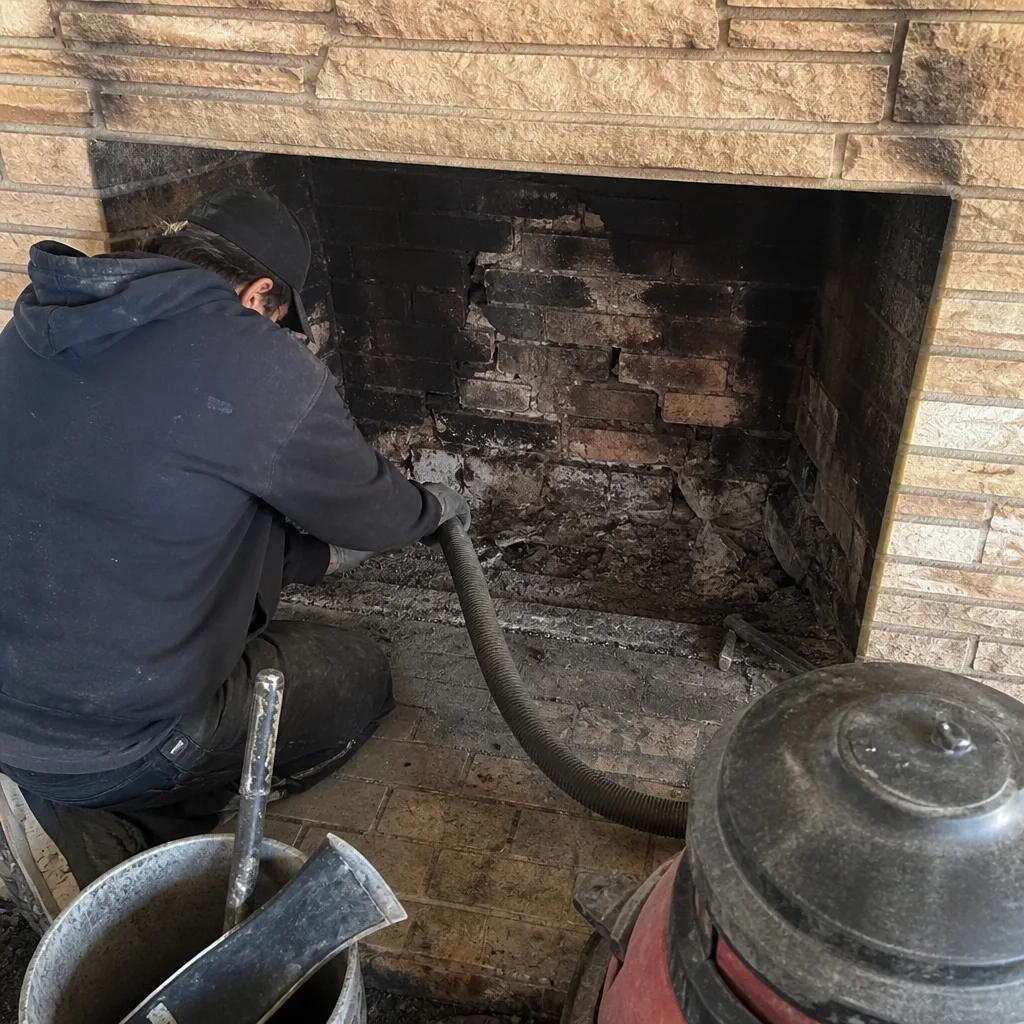 Before
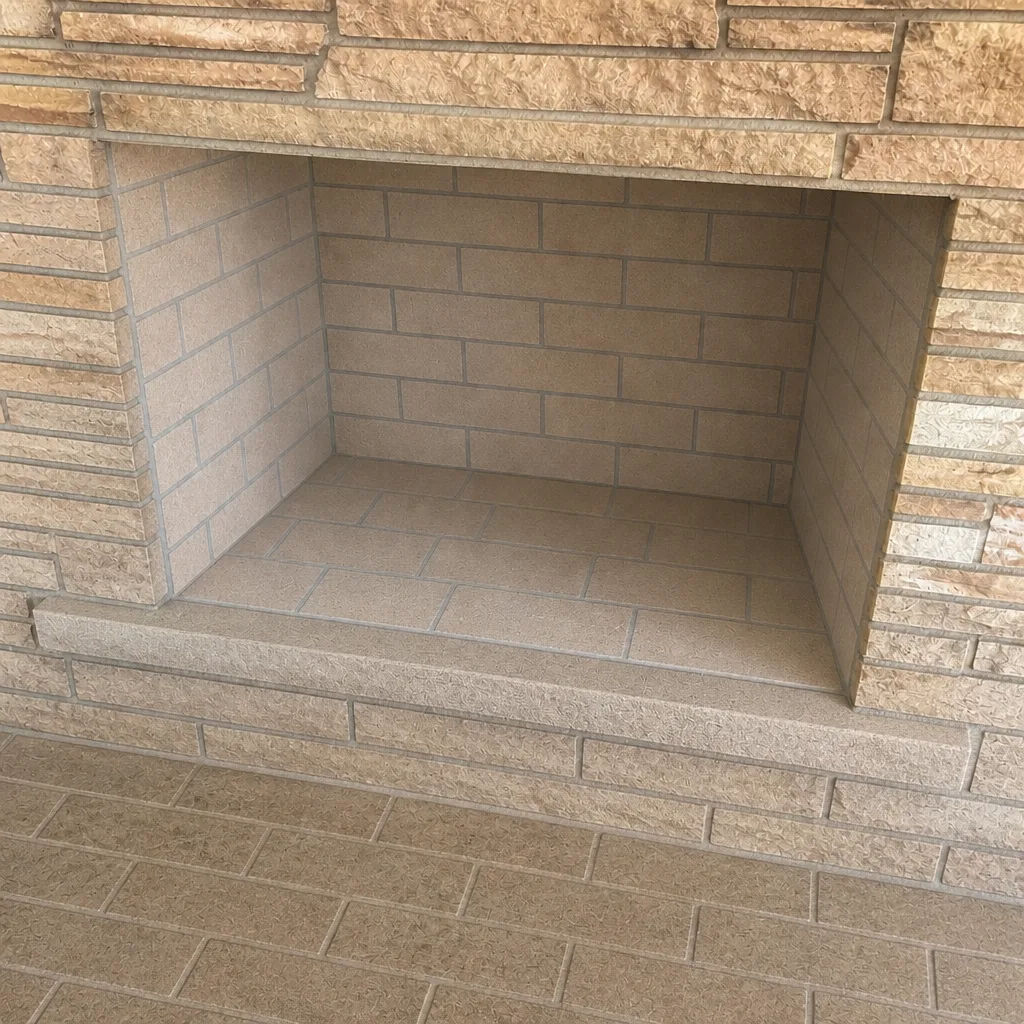 After
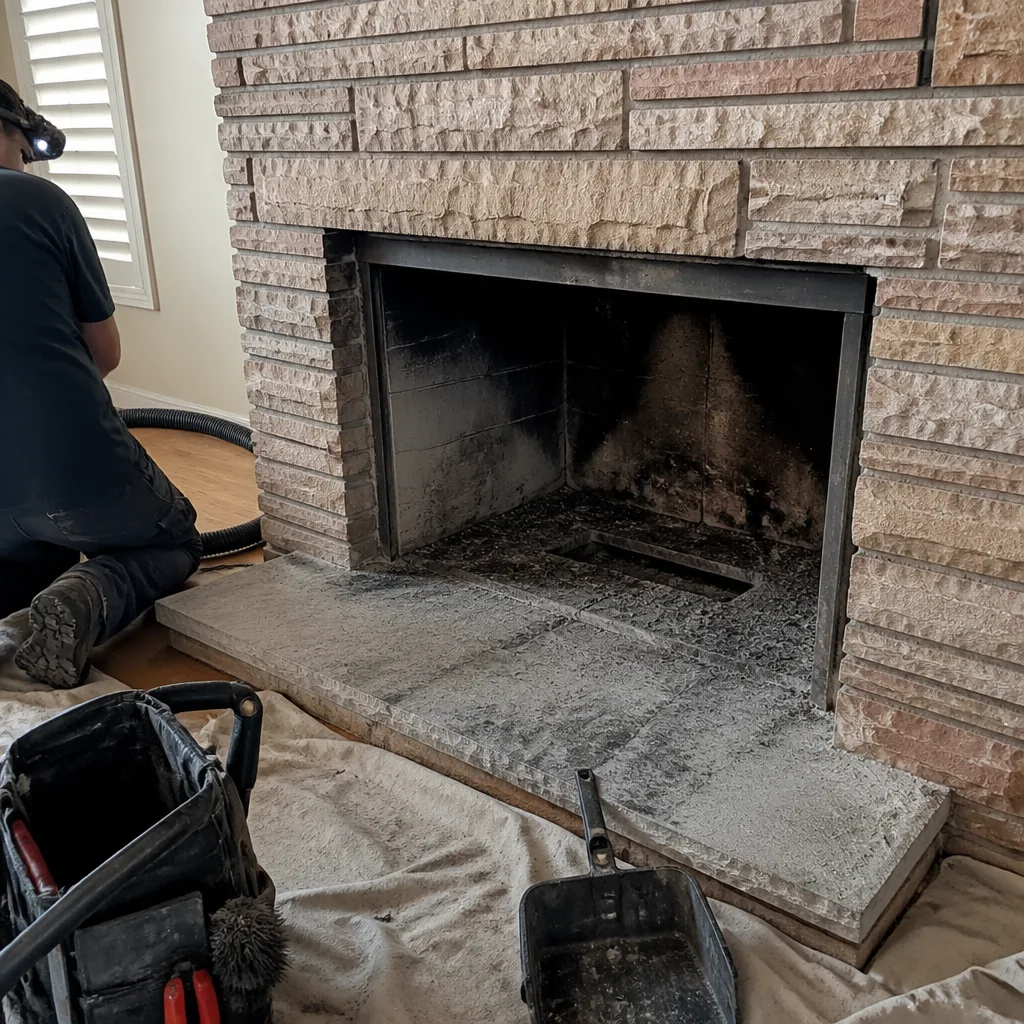 Before
 After
 Before
 After
When to Call a Professional
Call a professional for anything you can’t safely verify yourself. If you’ve had a chimney fire, that’s an inspection, full stop. If the flue is smoking into the room, if you smell gas or a chemical odor from the fireplace, if you see water getting into the firebox, or if the crown or cap is visibly cracked or missing, those are all reasons to call. So is a real estate transaction or an insurance request that needs a documented assessment. If it’s been more than a season since the last sweep and you burn wood regularly, book before the first cold week. Arvada Chimney Cleaning offers free estimates in Arvada – call (855) 508-5717. Our technicians have up to experience, and every inspection includes a camera scan and a photo report.
Frequently Asked Questions
A chimney fire usually sounds like a low roar or a distant rumbling, similar to a freight train passing inside the wall. Some homeowners hear a loud, rhythmic crackling or a tapping noise. If you hear a roar from the chimney and a quick look from the yard confirms it’s coming from the stack, treat it as a chimney fire and call 911.
No. Don’t put water on a hot masonry chimney. A sudden temperature change can crack the masonry, and water poured into a hot flue can flash to steam. Get everyone out, call 911, and let the fire department handle it. If you can reach the damper safely on the way out, close it to limit air, but don’t linger to do it.
No. A liner can be cracked or warped where you can’t see it from the firebox, and using the fireplace again before an inspection risks a second fire or a carbon monoxide leak. Wait for a professional camera inspection and a documented report before lighting anything. Call (855) 508-5717 to book an inspection.
Because a cracked liner lets combustion gases travel into the home instead of up the flue. Carbon monoxide is colorless and odorless, so the only reliable warning is a CO alarm and a professional inspection. If anyone in the house feels flu-like symptoms that clear when they go outside, get out and call 911. Call (855) 508-5717 to schedule a camera inspection.
At least once a year for homes that use the fireplace regularly, and more often for homes that heat with wood through the winter. Creosote accumulates more quickly with wet wood and long, low smoldering fires, so a home that burns through the season may need a mid-winter check. The best time to book in Arvada is late summer or early fall, before the schedule fills.
Not always required, but strongly recommended. A documented chimney inspection gives the buyer evidence and protects you from last-minute renegotiation over a chimney the buyer can’t verify. Our inspections are set up to satisfy real estate transactions and insurance requests with a written report and photos. Call (855) 508-5717 to schedule one.
The Bottom Line
A chimney fire is the emergency most homeowners have no plan for, and the two failures that cause the most damage are misidentifying the roar and relighting the fireplace too soon afterward. Recognize the sound, get out, call 911, and don’t put water on the flue. After any suspected fire, the chimney needs a professional inspection before it’s used again, because a cracked liner is a live carbon monoxide hazard, not a future repair. Prevention is unglamorous: dry wood, controlled fires, an annual sweep before the cold, and a CO alarm on every level. One company for the sweep, the inspection, and the repair means nothing falls through the gap. Call (855) 508-5717 for a free estimate. We answer 24/7. Fast dispatch from 7am to 7pm, Sunday through Friday. Learn more about our Arvada service area and our chimney repair work.
Written by the team at Arvada Chimney Cleaning.