
Last updated November 15, 2026
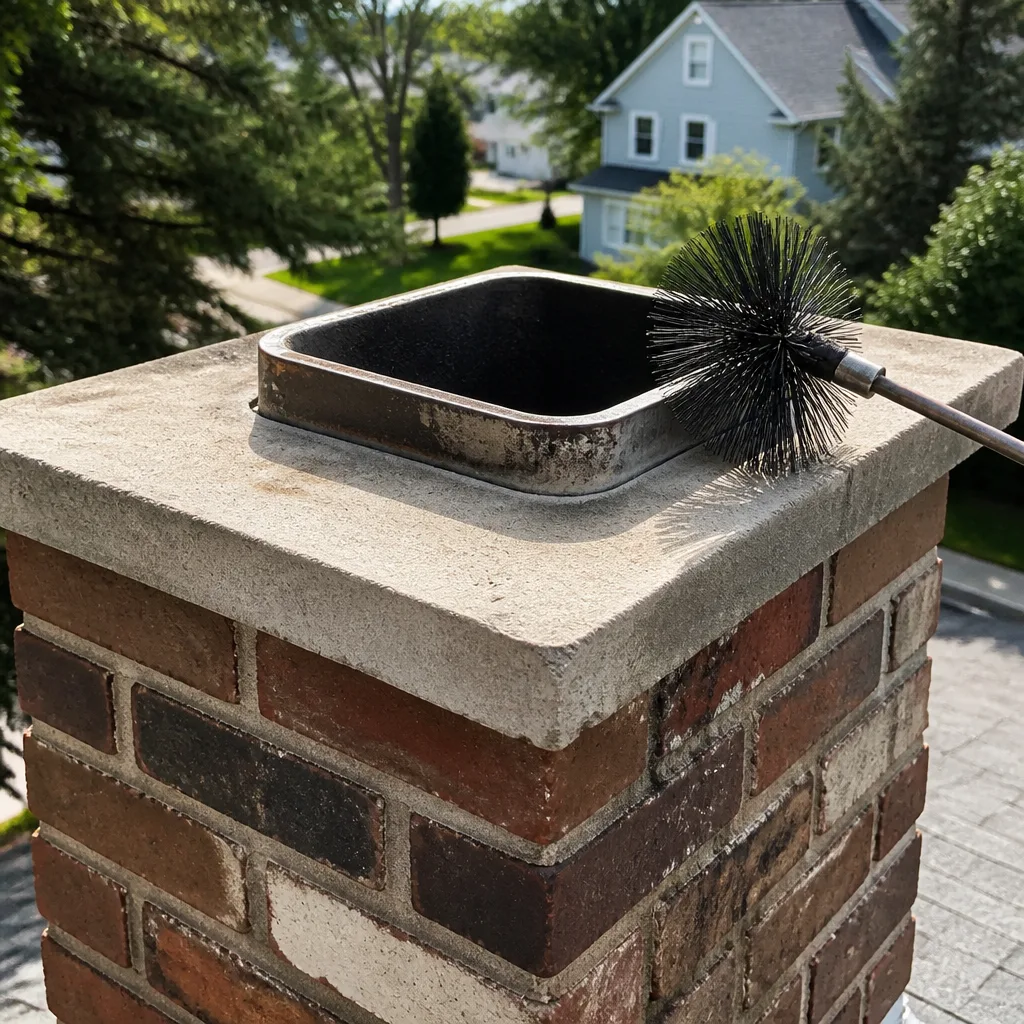 Sweep & inspection
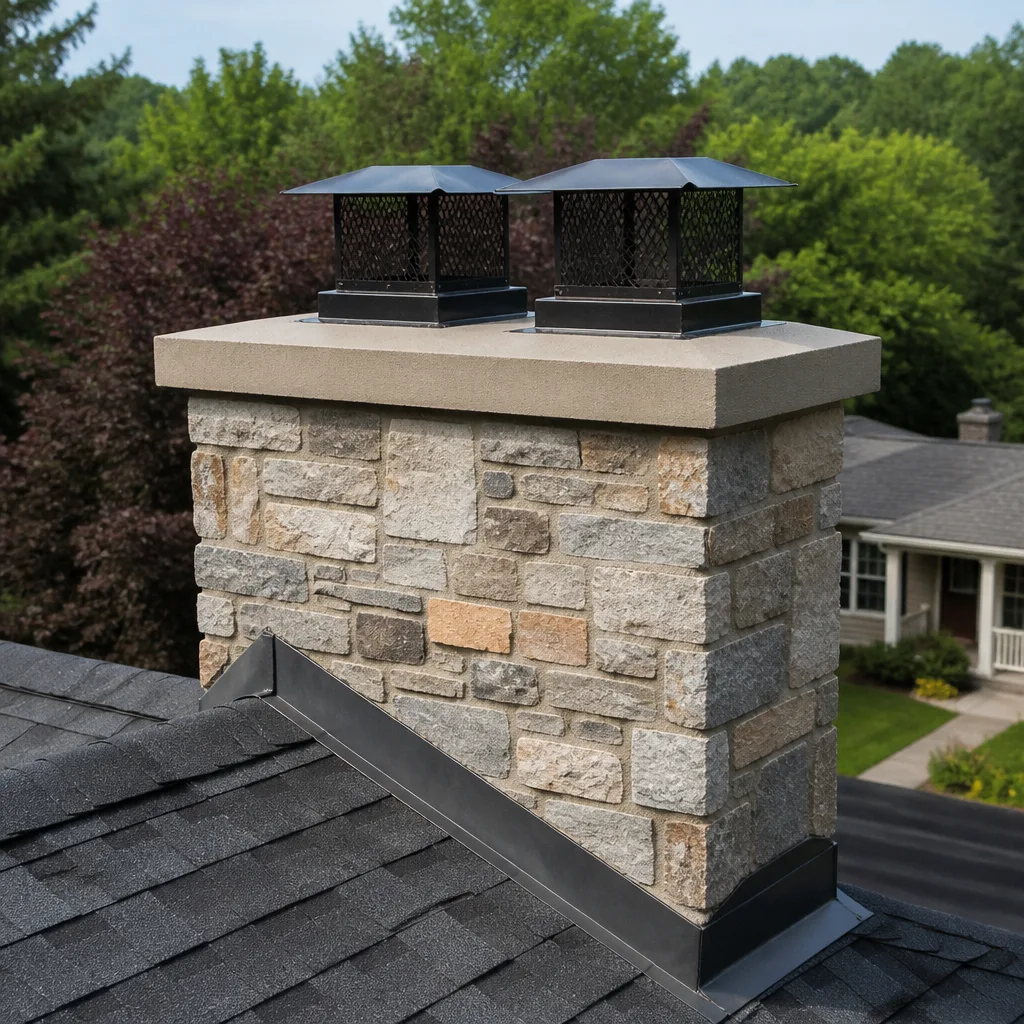 Caps & crowns
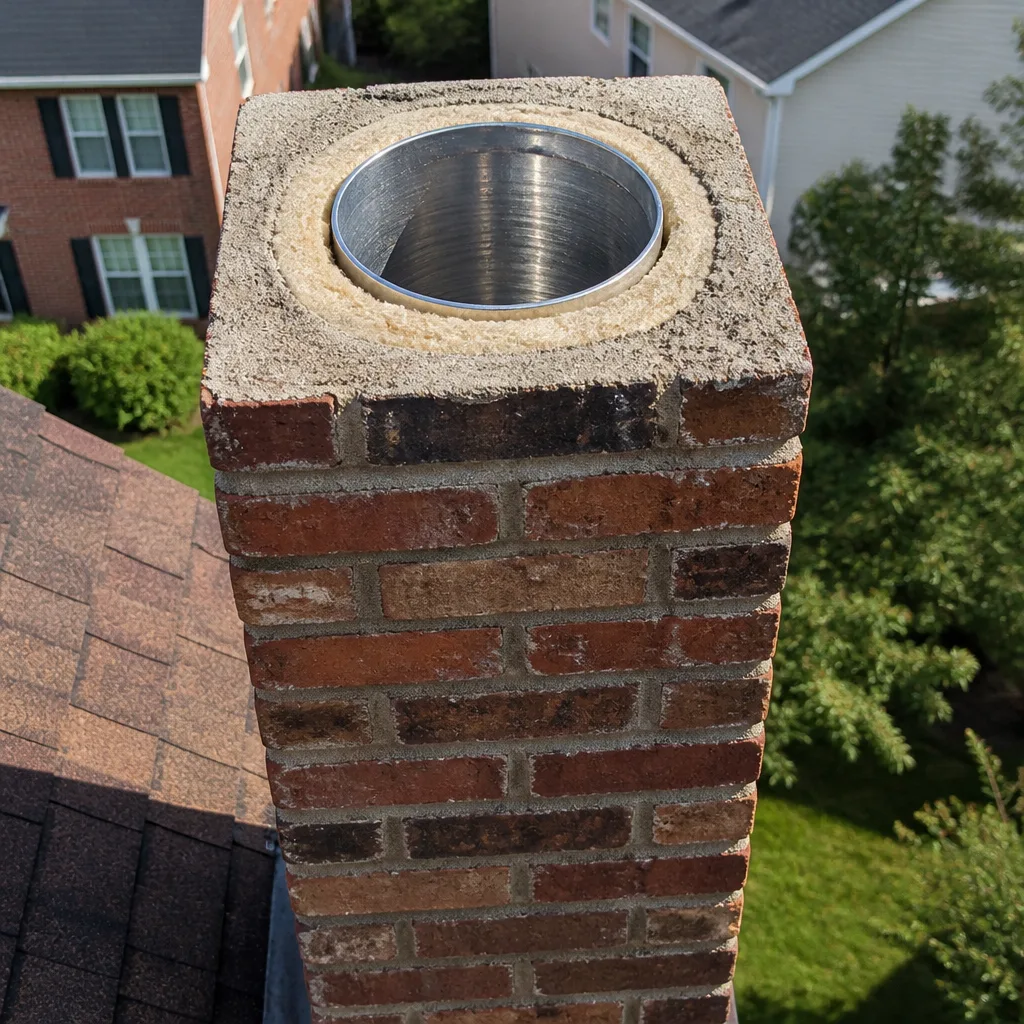 Flue relining
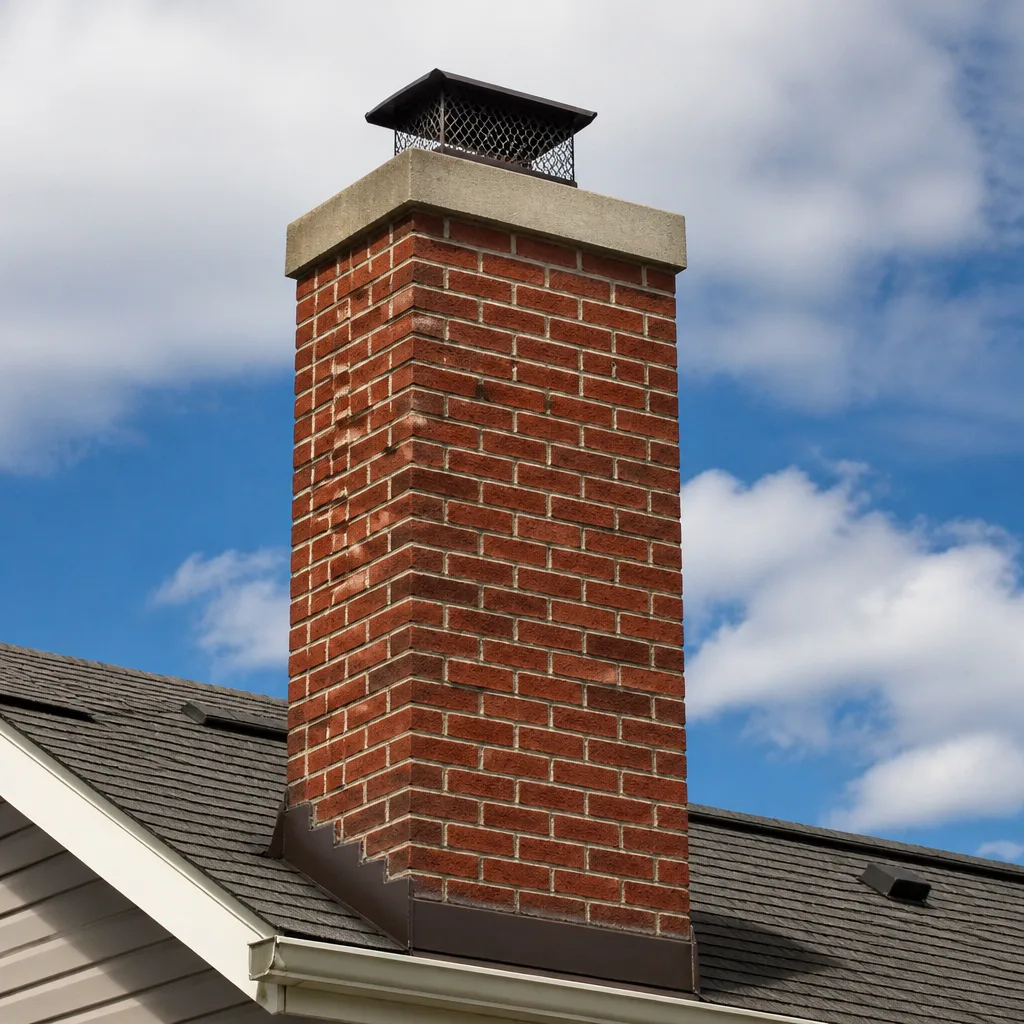 Masonry repair
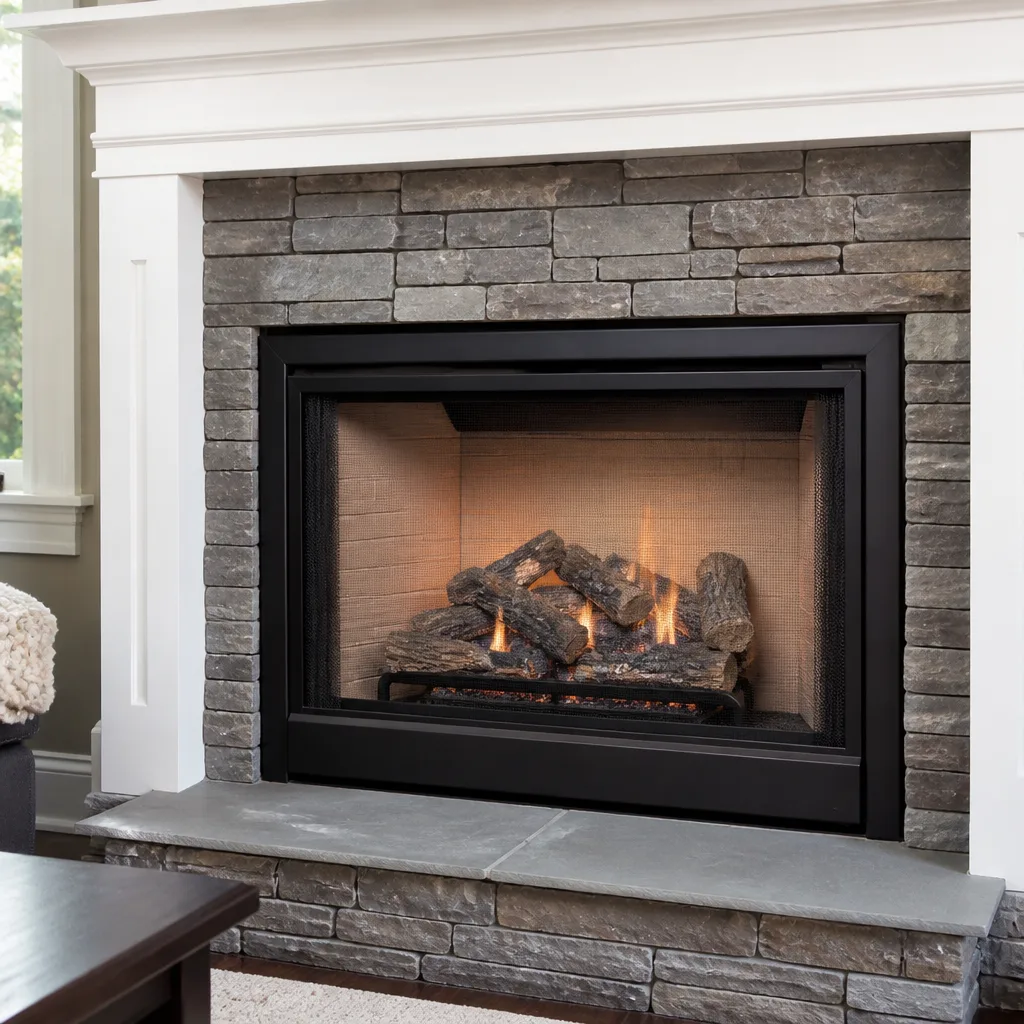 Gas fireplace service
Level 1 sweep and inspection to the NFPA 211 annual standard - flue, crown, cap, and flashing checked and photographed
Chimney sweep logs do not sweep chimneys. They loosen some creosote - which then falls where a brush and vacuum still have to collect it.
Chimney Sweep Maintenance Checklist for Arvada Homeowners
Most chimney checklists you’ll find online are written for a generic house in a generic climate. They tell you to “schedule an annual sweep” and leave it there. That advice is fine as far as it goes, but it misses the failures we actually see in Arvada chimneys: masonry that crumbles when repeated freezes push water into brick, flues that fill with wind-driven debris because a cap was never replaced, and liners that wear faster under the long, hot burns a cold high-desert winter demands. A missing cap over one Arvada winter can let in enough water to crack a flue liner, turning a small fix into real repair work. This guide separates what you can safely check yourself from what belongs to a professional, month by month, with the local failure points front and center.
Quick Answer
A complete chimney maintenance routine for an Arvada home has two halves: a professional sweep and inspection once a year (ideally before heating season starts), and simple owner checks you can do from the floor – damper movement, visible masonry, odor, and cap condition – every few months. The professional visit finds what you can’t see; your own checks catch changes early between visits. Neither replaces the other. If you burn wood regularly, the annual sweep is the non-negotiable part; everything else supports it.
Key Takeaways
- Book one professional sweep and inspection per year, before you start burning for the season.
- Freeze-thaw cycling is the biggest masonry threat in Arvada – watch for spalling on brick and mortar joints.
- A missing or damaged cap invites both water and wildlife into the flue.
- Know your red-line items: if you see or smell any of them, stop using the fireplace until a professional clears it.
- Keep a simple written log – it pays off at insurance time and at resale.
Styles & brands we work with
- Sweep & inspection
- Caps & crowns
- Flue relining
- Masonry repair
- Gas fireplace service
Table of Contents
- How a Chimney System Works in an Arvada Home
- Month-by-Month Owner Tasks
- The Annual Professional Tasks
- Arvada-Specific Failure Points
- What You Can Safely Observe Yourself
- Red-Line Items That Stop Fireplace Use
- How to Log and Document Your Chimney Year Over Year
- Common Mistakes to Avoid
How a Chimney System Works in an Arvada Home
Before the checklist makes sense, it helps to know what you’re maintaining. A chimney isn’t a hollow tube – it’s a system of parts that work together, and each one can fail on its own. Understanding the parts tells you why certain checks matter more than others.
The main components:
- The flue – the inner passage that carries smoke and gases up and out. It’s lined with clay tile, a cast liner, or a metal liner to protect the surrounding masonry from heat and corrosive byproducts.
- The firebox – where the fire burns. Cracks here let heat and gases escape into the structure.
- The damper – the metal door above the firebox that you open before lighting a fire and close when the fireplace is idle. It controls draft and keeps heated room air from escaping up the flue.
- The smoke chamber and shelf – the transition area above the damper that funnels smoke into the flue. Rough surfaces here collect creosote.
- The crown – the concrete cap at the top of the masonry that sheds water away from the flue.
- The cap and spark arrestor – the screened cover over the flue opening that keeps out rain, animals, and debris while letting smoke escape.
In Arvada specifically, the climate stresses this system in ways a milder region doesn’t. Winters swing between freezing nights and daytime thaws, and every one of those cycles works moisture deeper into masonry. The high-desert air is dry most of the year, but snowmelt and summer rain still find their way into any crack that opens. A chimney here lives under real thermal and moisture pressure, which is why maintenance isn’t optional the way it might feel in a place with a steady, gentle climate. Our technicians have up to experience reading these patterns on Arvada homes, and the failure points repeat predictably once you know what to look for.
For a fuller explanation of how we approach the annual cleaning itself, see our page on Arvada Chimney Cleaning.
Month-by-Month Owner Tasks
These are the things you can do yourself, from the floor, without a ladder and without risk. They take minutes and catch a lot. Think of them as monitoring rather than repair – your job is to notice changes and flag them, not to fix anything.
- Start of heating season (early fall): Open and close the damper a few times. It should move smoothly and seal when closed. Look up into the firebox with a flashlight and note any visible cracks in the brick or mortar. Check that the cap is present and the screen is intact, from the ground with binoculars if you can’t see it clearly.
- Before the first fire: Confirm you’ve had your annual professional sweep. Smell the firebox with the damper closed – a strong creosote or smoky odor can indicate buildup.
- Mid-winter: After heavy snow or wind, glance at the cap and the chimney top from the ground. Wind-driven debris and snow can block or damage a cap. Check the firebox for new cracks or crumbling mortar as freeze-thaw cycling peaks.
- Spring, after your last fire: Do a full visual pass – firebox, damper, visible flue, and the exterior masonry from the ground. Note anything new in your log. This is also the time to spot winter damage before it sits all summer.
- Summer: Keep the damper closed to stop cool air escaping and to keep insects and animals from entering. Watch the exterior brick for efflorescence (white powdery staining) or spalling (flaking faces).
- Anytime you notice a change: Write it down. A small note now is what lets a professional trace a problem later.
None of this requires you on the roof. If you find yourself wanting to climb up for a closer look, stop – that’s the professional’s job, and roof work on an Arvada winter is a genuine hazard.
The Annual Professional Tasks
The professional visit is the backbone of chimney maintenance. A proper chimney sweep is more than a brushing – it’s a sweep plus an inspection that tells you what condition the system is in. Here’s what that visit should cover.
- A full flue sweep. The technician removes soot and creosote from the flue using the right brushes for your liner type. Creosote comes in stages – soft, then crusty, then glazed and hard – and glazed creosote is a fire hazard that brushing alone may not fully remove.
- A visual inspection of accessible components. Firebox, damper, smoke chamber, and as much of the flue as can be seen. Any problem gets named, not glossed over.
- A camera inspection where it’s needed. A camera run down the flue shows the liner’s true condition – cracks, gaps, and deterioration you can’t see from below. We include a camera inspection and photo report so you see what we see, and nothing gets recommended that isn’t backed by evidence.
- Exterior check. Crown, cap, spark arrestor, and masonry from a safe vantage. This is where freeze-thaw damage and missing caps get caught.
- A written summary. What was found, what’s fine, and what – if anything – needs repair. You should leave the visit knowing exactly where your system stands.
One company handling the sweep, the inspection, and the repair means no handoffs and no gaps. When a sweep turns up a problem, the same visit can document it and the repair can follow with the right product for the job. Our repair work draws on professional-grade materials – HeatShield for resurfacing and liner repair, DuraFlex liner systems for relining, and parts sourced through Copperfield and Olympia Chimney – rather than whatever a hardware store happens to stock. For the range of repair work we handle, see chimney repair.
We also design inspections to satisfy real requirements – a real estate transaction, an insurer’s request, or the annual safety check a homeowner simply wants done right.
Arvada-Specific Failure Points
Every region has its signature chimney problems. Ours come from three sources: freeze-thaw cycling, wildlife, and the burn conditions of a high-altitude, cold-winter climate. Knowing them turns a generic checklist into something that actually fits your house.
Freeze-Thaw Masonry Damage
Water gets into brick and mortar through small cracks and porous surfaces. When temperatures drop, that water freezes and expands, prying the masonry apart from the inside. When it thaws, more water gets in. Repeat that all winter and you get spalling – brick faces flaking off – and crumbling mortar joints. In Arvada, where nights freeze and days often thaw, this cycle can run dozens of times in a season. The crown and the masonry above the roofline take the worst of it. A cracked crown lets water straight down onto the flue, which is how a small crack becomes a liner problem.
Wildlife Entry Through Open Caps
A cap without an intact screen is an open door. Birds, squirrels, and other animals find their way into flues to nest, and a nest is both a blockage and a fire risk. Worse, an animal that can’t get out becomes a smell and a hazard you have to deal with. A missing or damaged cap is the single most common preventable issue we find, and it’s cheap to fix compared with the damage a season of open exposure causes.
Liner Degradation from Burn Conditions
Cold Arvada winters mean long, hot fires and rapid temperature swings in the flue. That thermal stress, combined with the corrosive byproducts of combustion, wears on liners over time. Clay tile liners crack; metal liners can degrade at joints. A camera inspection is the only reliable way to see liner condition. When a liner does need work, HeatShield’s ceramic resurfacing system restores flue integrity with a documented, replicable repair, and DuraFlex flexible liners provide a warrantable, code-compliant relining solution – built to last, not patched to pass.
Wind-driven debris is the fourth, quieter factor. An open flue on an exposed roof collects leaves, grit, and snow, and a partially blocked flue drafts poorly and burns dirty.
What You Can Safely Observe Yourself
There’s a line between monitoring and dangerous DIY, and it’s worth drawing clearly. You do not need to climb the roof to keep your chimney in good shape. In fact, the most useful observations happen at floor level.
Safe to check yourself:
- Damper function. Open and close it. It should move without sticking and sit flush when closed. A damper that won’t seal wastes heat and lets cold air in.
- Visible spalling and cracking. From the ground or with binoculars, look at the brick and mortar above the roofline. Flaking faces, white staining, or missing chunks of mortar are worth noting.
- Odor indicators. A smoky smell with the damper closed, or a strong creosote odor, can signal buildup or a draft problem.
- Cap condition. From the ground, confirm the cap is present and the screen looks intact.
- Firebox condition. Shine a light inside and note cracks in the brick or mortar.
- Draft behavior. Smoke that rolls into the room instead of going up the flue is a signal, not a quirk to live with.
What to leave to a professional: anything on the roof, anything inside the flue, and anything involving the liner. Roof work carries real fall risk, and the interior of a flue is no place for a homeowner’s inspection. If your observation turns up something concerning, that’s exactly the moment to book the professional visit – not to investigate further yourself.
Red-Line Items That Stop Fireplace Use
Some findings mean stop using the fireplace immediately, until a professional has looked at it. These aren’t alarmist – they’re the conditions where continuing to burn risks a chimney fire or lets carbon monoxide into the home. Treat this list as a hard stop.
- Glazed, hardened creosote in the flue. Stage-three creosote is fuel sitting inside your chimney. Don’t burn until it’s removed.
- Cracked or missing liner tiles, or a damaged liner. A breach in the liner lets heat and gases reach the structure.
- Cracks in the firebox that go through the brick. Heat and embers can escape behind the firebox.
- A blocked or partially blocked flue. Nests, debris, or a collapsed liner section will not vent safely.
- Smoke spilling into the room when the damper is open. A draft failure means combustion gases aren’t leaving the house.
- A strong, persistent smoky smell or any carbon monoxide alarm. If a CO alarm sounds, leave the home and call for help – then have the chimney inspected before using it again.
- A missing cap after a storm or long vacancy. Water and animals may already be inside; get it checked before lighting up.
Chimney fires often burn quietly and go unnoticed, and carbon monoxide gives no warning at all. That’s the reason to act on these items – not to scare you, but because a clean flue is a safe flue, and both the cleaning and the documentation matter. Call (855) 508-5717 if any of these apply. We answer 24/7, with fast dispatch from 7am to 7pm, Sunday through Friday.
How to Log and Document Your Chimney Year Over Year
A simple written record of your chimney’s condition is one of the most useful things you can keep as a homeowner, and almost nobody does it. It takes a few minutes a year and pays off in two places: insurance and resale.
What to record:
- Date of each professional sweep and inspection, and who did it.
- Findings – what was cleaned, what was flagged, what was repaired. Keep the photo report from any camera inspection.
- Repairs made and the materials used (for example, a HeatShield resurfacing or a DuraFlex reline).
- Your own observations – any new cracks, spalling, or odor you noticed, with the date.
- Cap and crown condition each time you check.
Why it matters. When an insurer asks for proof of maintenance, or a buyer’s inspector flags the chimney during a sale, a clear log answers the question in seconds. It also lets a professional see the trend – a mortar joint that was fine two years ago and is now crumbling tells a story a single visit can’t. Store it with your home records, and photograph anything you note so the record is visual, not just a note. This is where our inspection service earns its keep: a report designed for real transactions and insurance requests gives you a document you can hand to anyone who asks. If you’re in the middle of a sale or a purchase, the homeowners in Arvada who keep these records have a real edge when the inspection comes up.
Common Mistakes to Avoid
- Treating the annual sweep as optional. It’s the one task that isn’t negotiable. Skipping it lets creosote build toward a fire hazard and hides liner problems until they’re expensive.
- Climbing the roof to “take a quick look.” Roof work in Arvada winter is a genuine fall hazard, and a ground-level look with binoculars tells you most of what you need to know.
- Ignoring a missing cap. It’s a small, cheap fix that prevents water infiltration, wildlife entry, and wind-driven debris – all of which cost far more to undo.
- Burning unseasoned or wet wood. Wet wood burns cool and dirty, laying down more creosote and stressing the flue. Seasoned wood burns cleaner and hotter.
- Assuming a gas fireplace needs no maintenance. Gas units still have a flue and still need inspection for blockages, corrosion, and venting problems.
- Waiting until the first cold snap to book. Everyone calls at once when the weather turns. Booking before heating season gets you on the schedule without the crunch.
- Not keeping records. A chimney with no history is harder to assess and harder to defend at insurance or resale time.
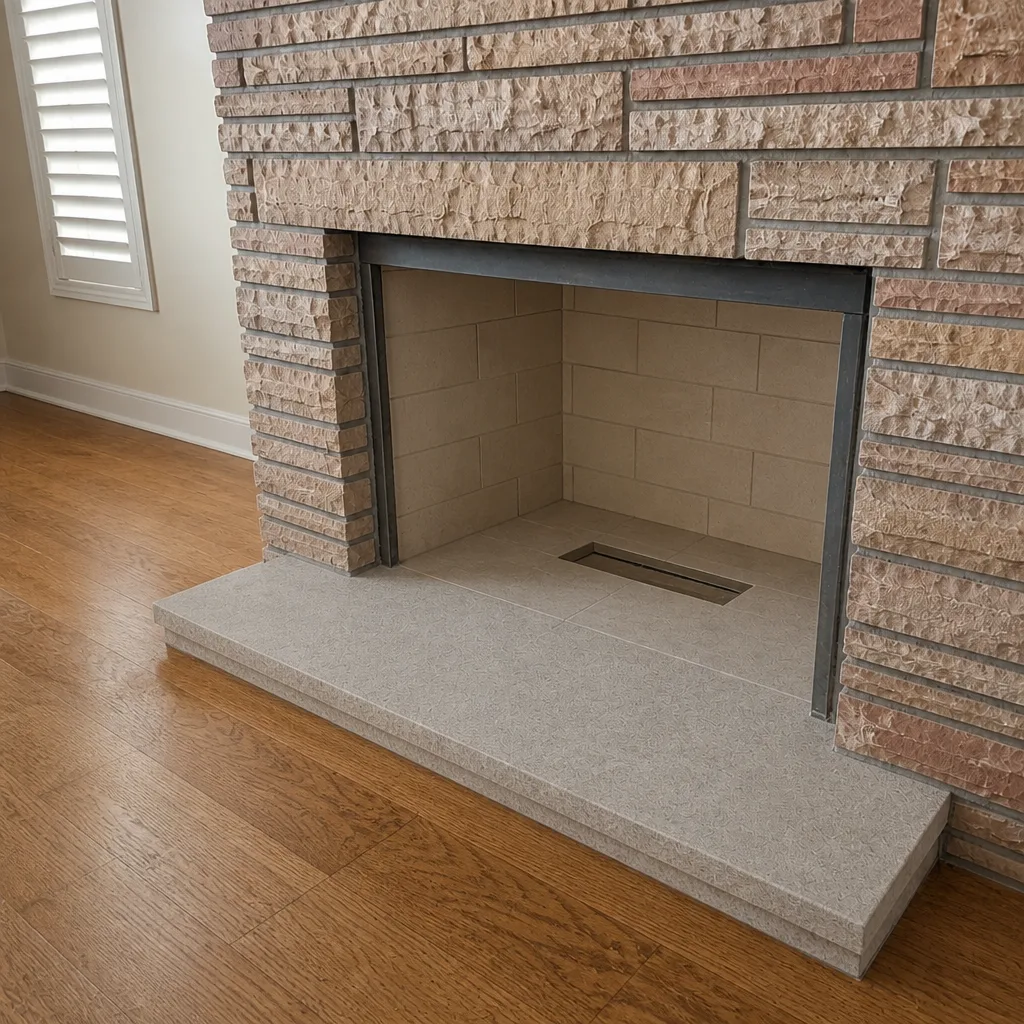
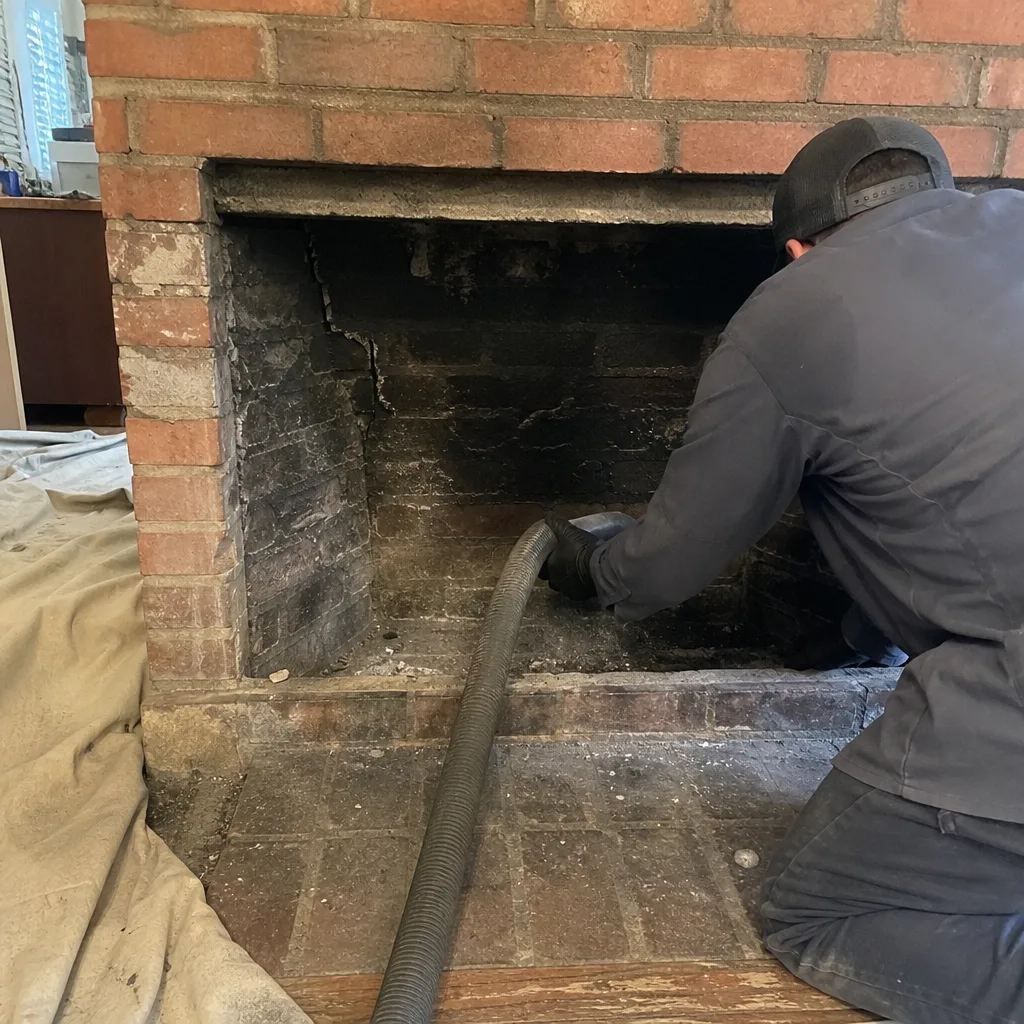
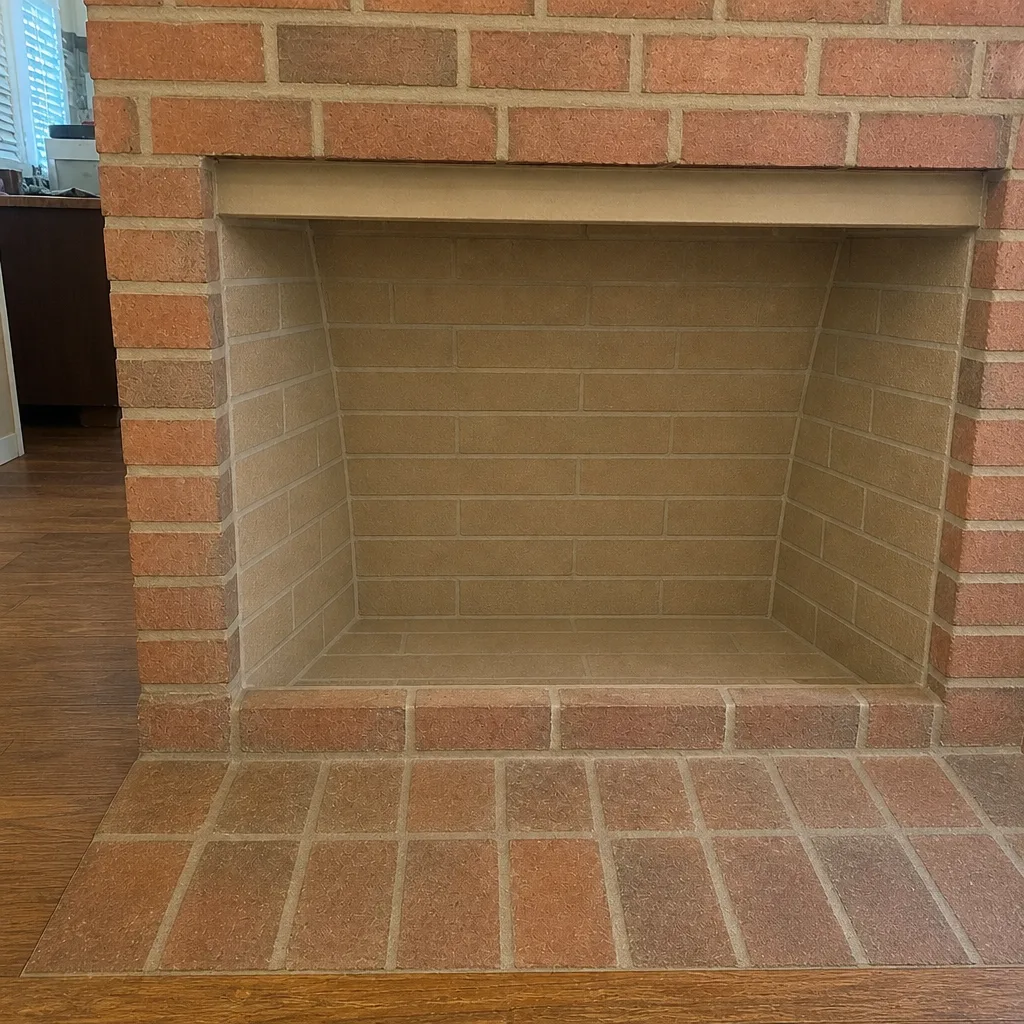
See the difference
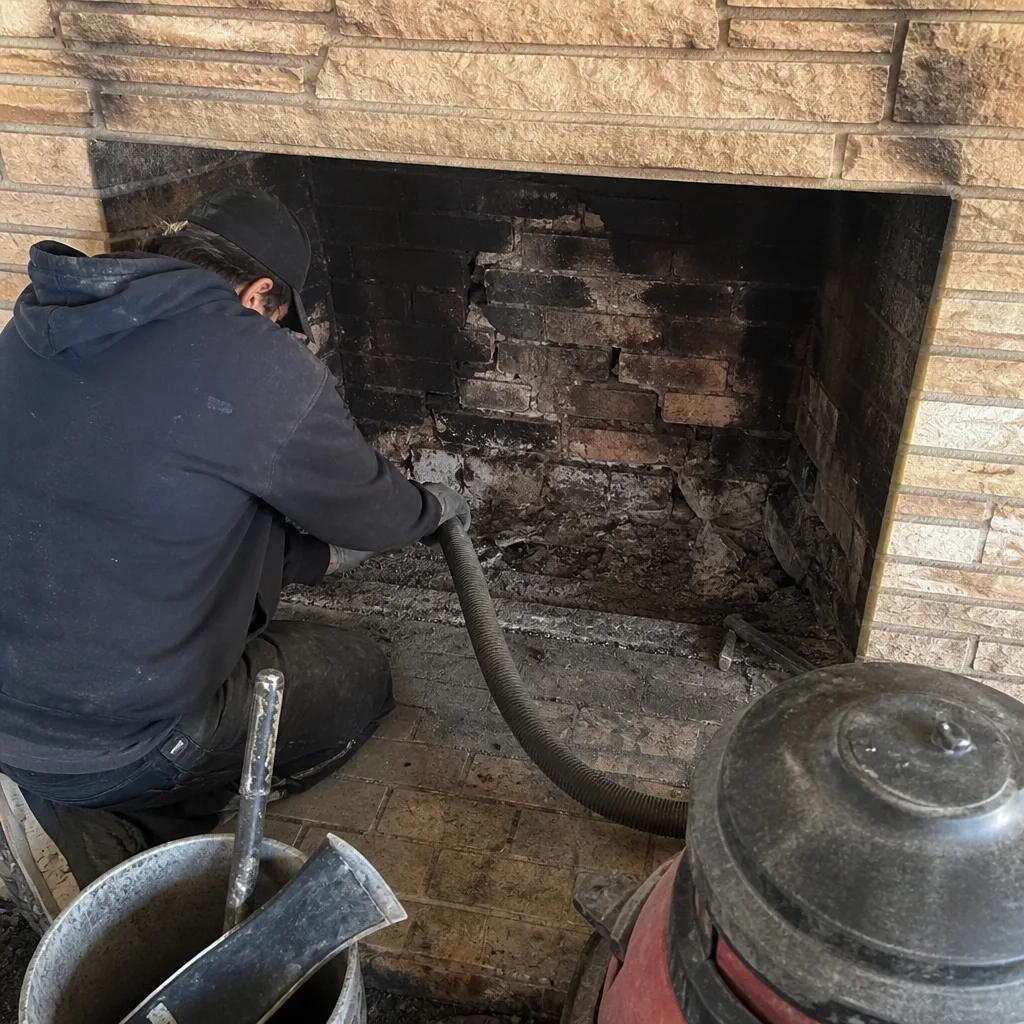 Before
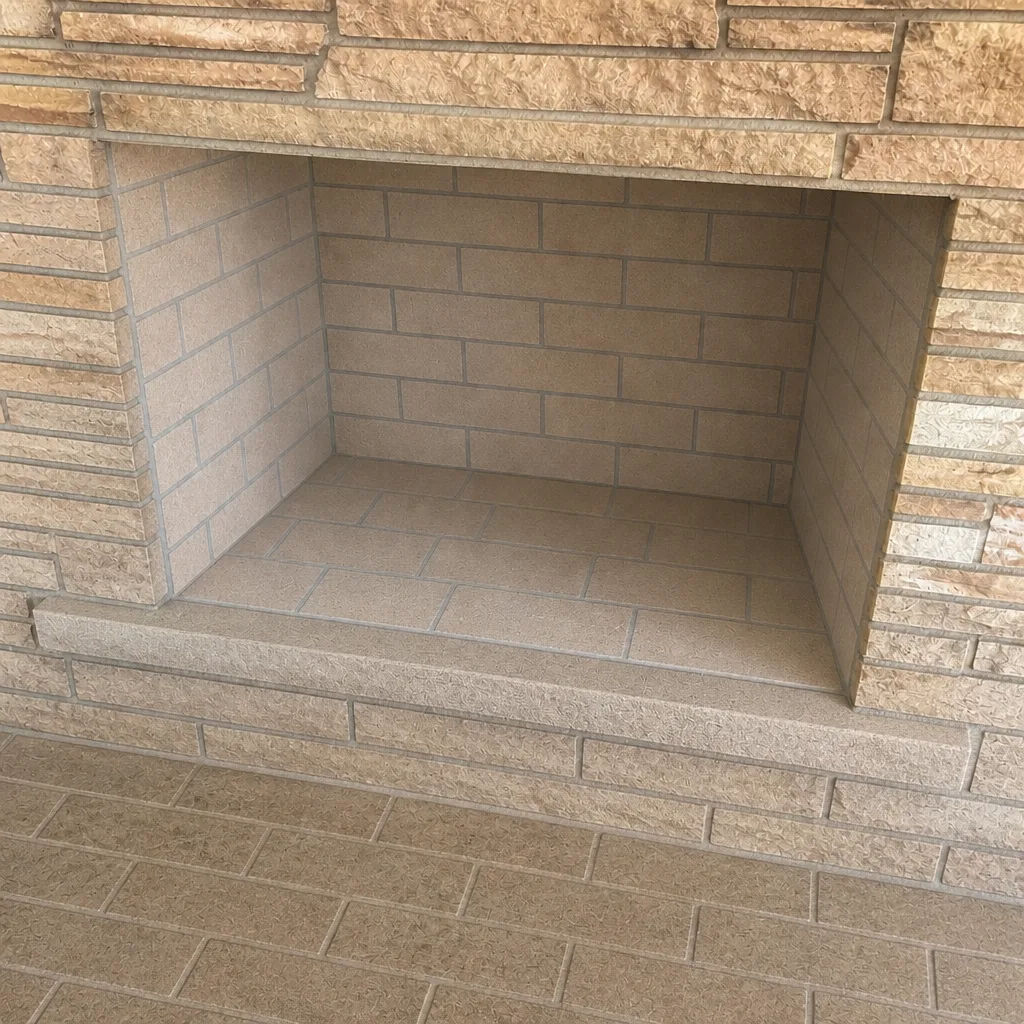 After
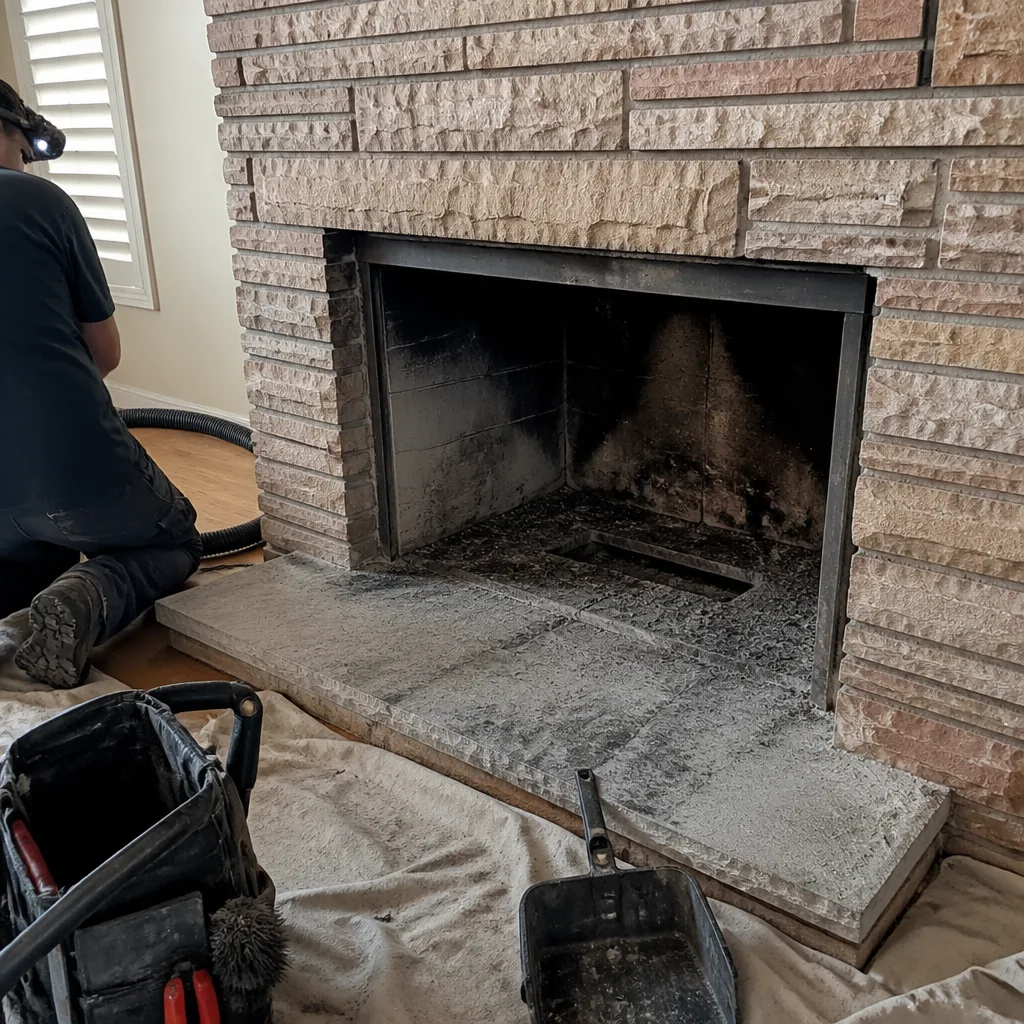 Before
 After
 Before
 After
When to Call a Professional
Call a professional when any red-line item applies, when your annual sweep is due, or when you’re buying or selling a home and need a credible assessment. Call if you notice new cracks, spalling, or odor, if a cap is missing, or if your fireplace has sat unused for a season or more. Call if an insurer or inspector has asked for documentation. And call if you simply aren’t sure – a professional look is the fastest way to know where you stand. Arvada Chimney Cleaning offers free estimates in Arvada – call (855) 508-5717. We answer 24/7, with fast dispatch from 7am to 7pm, Sunday through Friday.
Frequently Asked Questions
Once a year for most homes, and more often if you burn wood heavily. The annual sweep should happen before heating season so any problems get found before you rely on the fireplace. A professional can tell you if your burn rate calls for more frequent cleaning.
You can safely check the damper, firebox, visible masonry, cap condition from the ground, and odor at floor level. You should not climb the roof or inspect inside the flue – leave those to a professional. Your observations are valuable, but they don’t replace the annual inspection. Call (855) 508-5717 to book one.
Cracked or missing liner tiles, through-cracks in the firebox, crumbling mortar or spalling brick, a damaged cap or crown, and smoke spilling into the room are all signs. Any of them means stop using the fireplace until a professional clears it. A camera inspection shows the true condition before any repair is recommended.
Freeze-thaw cycling is the main cause. Water gets into brick and mortar, freezes, expands, and pries the masonry apart, then thaws and lets more water in. Arvada’s cycle of freezing nights and thawing days repeats this all winter, and the crown and roofline masonry take the worst of it.
Yes. A cap with an intact screen keeps out rain, snow, animals, and wind-driven debris. A missing cap over one winter can let in enough water to crack a flue liner, so it’s one of the simplest, highest-value fixes on the whole system.
Note it and book an inspection before your next fire. A smoky smell with the damper closed can indicate creosote buildup or a draft problem, and it’s worth having checked rather than lived with. Call (855) 508-5717 for a free estimate – we answer 24/7.
The Bottom Line
Chimney maintenance in Arvada comes down to two habits working together: one professional sweep and inspection a year, and simple owner checks between visits. The local failure points – freeze-thaw spalling, wildlife through open caps, and liner wear from hard winter burns – are predictable, which means they’re preventable. Check what you can safely check, log what you find, respect the red-line items, and let a professional handle the flue and the roof. One company for the sweep, the inspection, and the repair keeps the whole system accounted for. Call (855) 508-5717 for a free estimate. We answer 24/7, with fast dispatch from 7am to 7pm, Sunday through Friday.
Written by the team at Arvada Chimney Cleaning.