
Last updated November 15, 2026
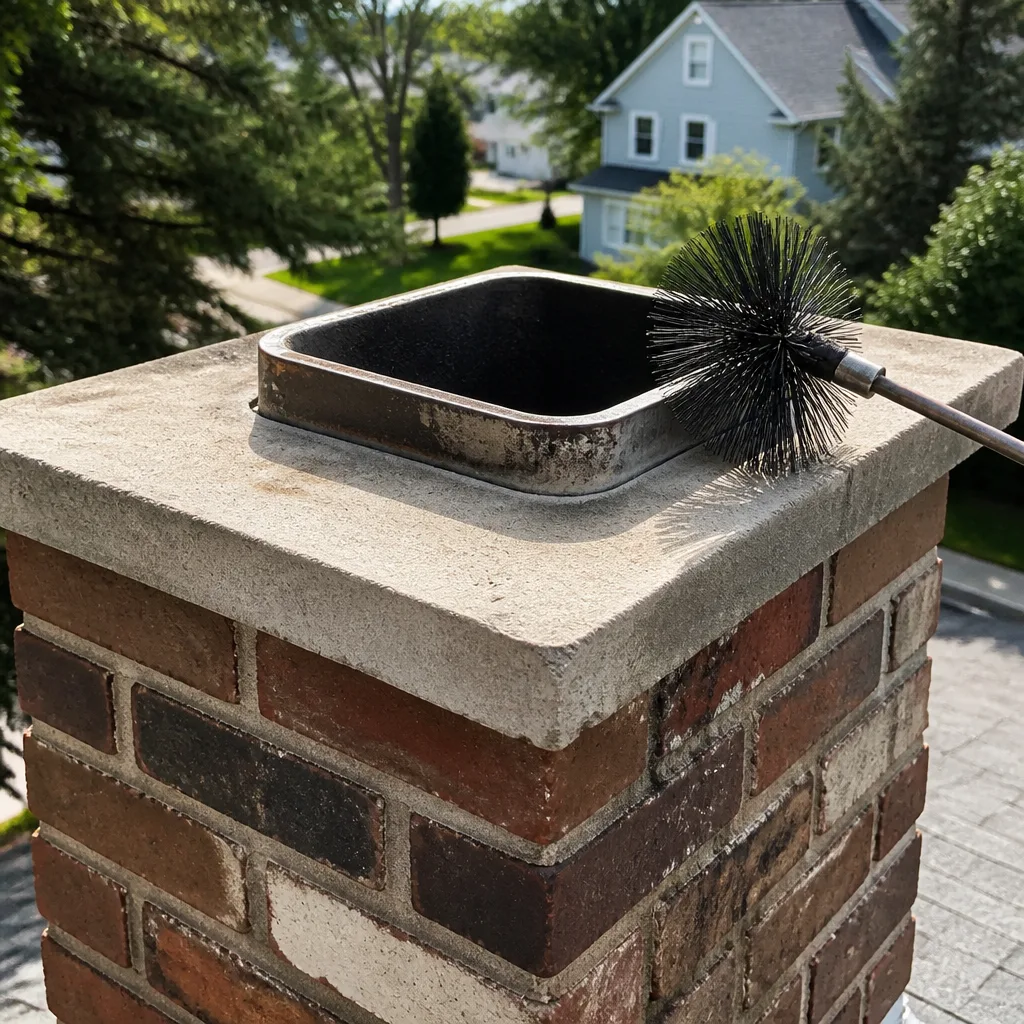 Sweep & inspection
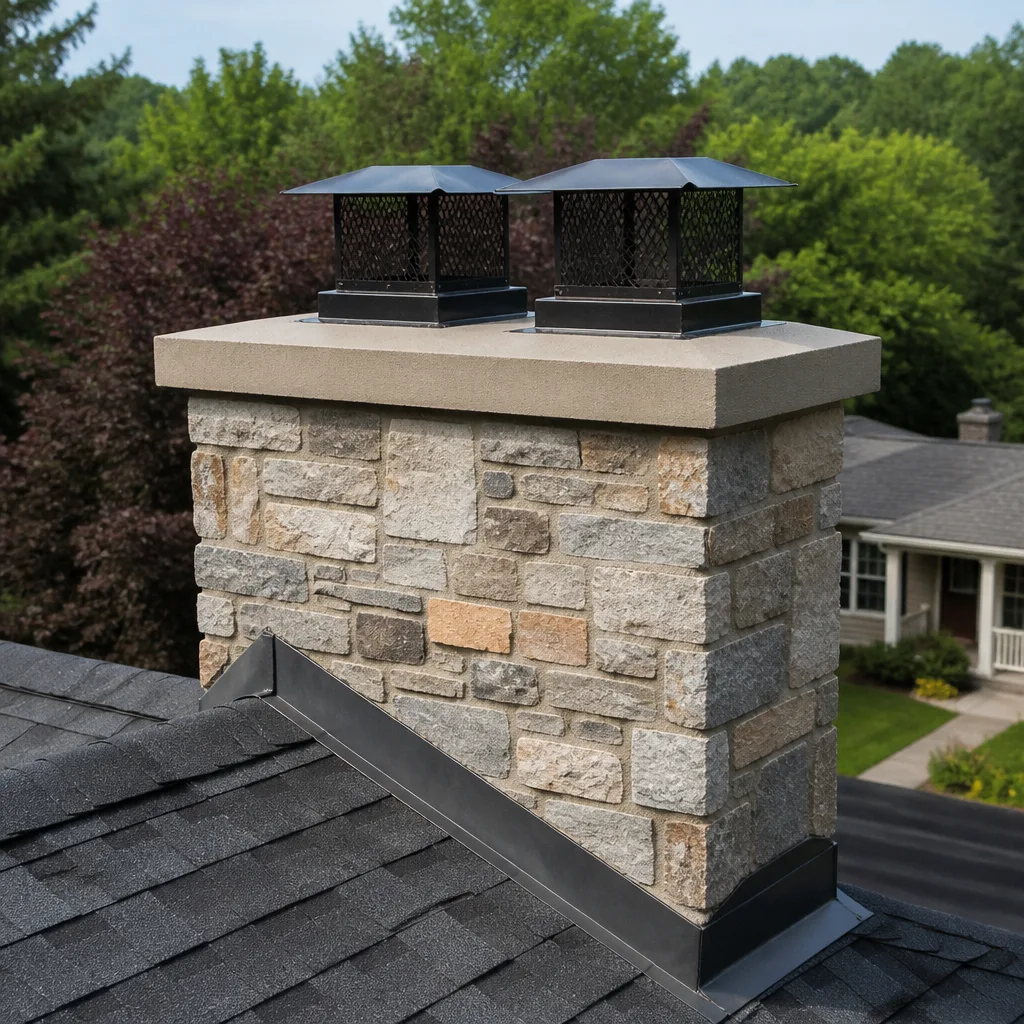 Caps & crowns
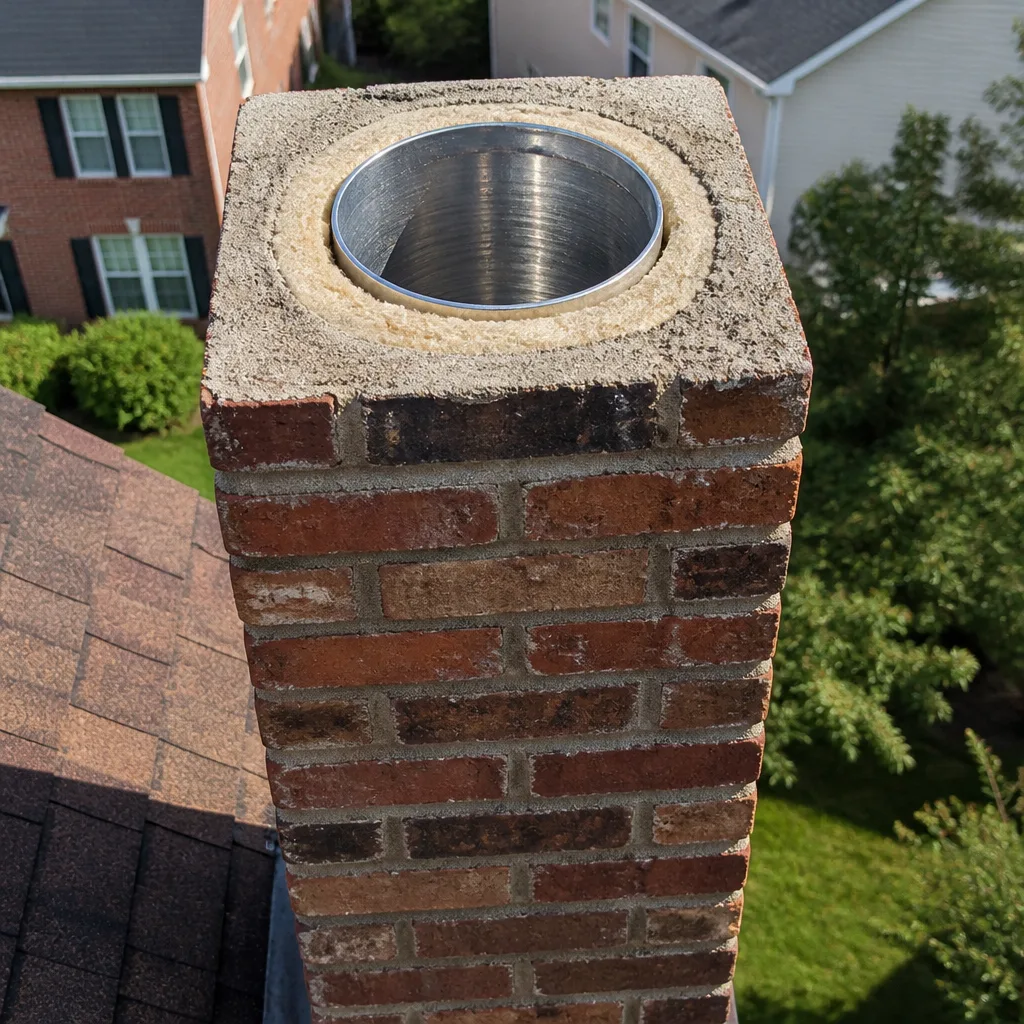 Flue relining
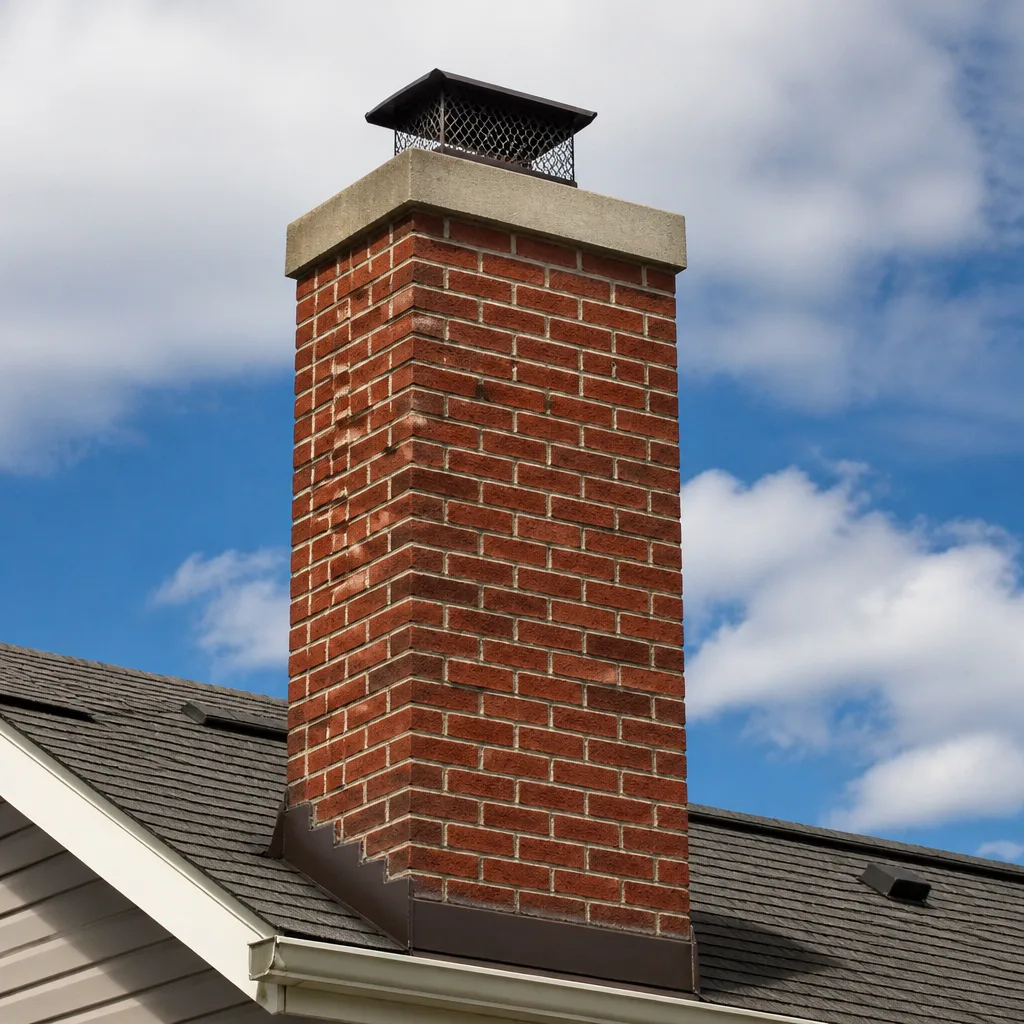 Masonry repair
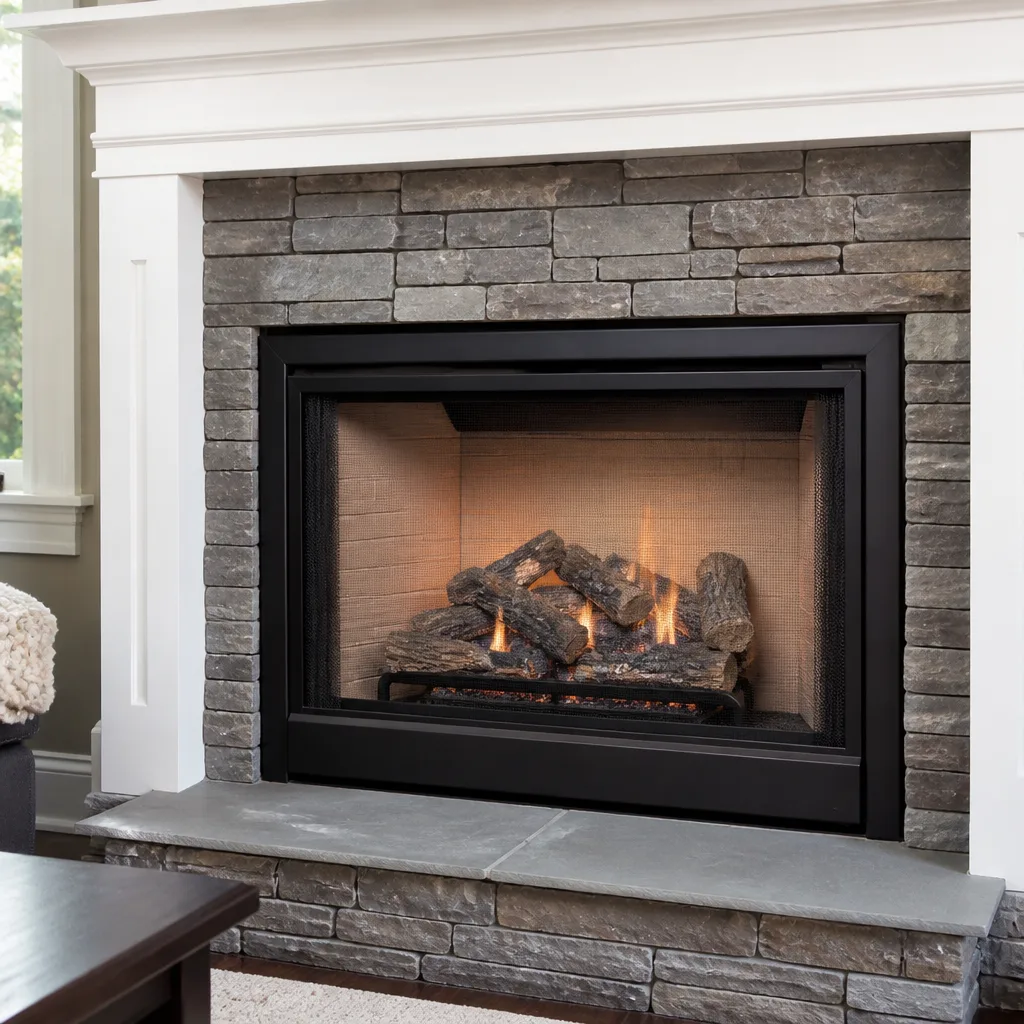 Gas fireplace service
Level 1 sweep and inspection to the NFPA 211 annual standard - flue, crown, cap, and flashing checked and photographed
Chimney sweep logs do not sweep chimneys. They loosen some creosote - which then falls where a brush and vacuum still have to collect it.
Chimney Cleaning Permits, Codes & Inspections in Arvada, CO: What You Need to Know
Routine chimney cleaning in Arvada doesn’t require a permit. That single fact leads a lot of homeowners to assume none of it does, and that assumption is where the trouble starts. The moment the work moves from cleaning to relining, rebuilding a firebox, or installing a new appliance, the City of Arvada and Jefferson County expect permits, and the contractor doing the work is responsible for pulling them. When an unlicensed sweep skips that step, the liability lands on you, not them. This guide walks through which chimney jobs need a permit in Arvada, how the International Residential Code shapes the work, what a real inspection report contains, and how to confirm permits were pulled before anyone touches your flue.
Quick Answer
Routine chimney sweeping and Level 1 visual inspections in Arvada don’t require a permit. Liner replacement, firebox rebuilds, masonry repairs of structural significance, and new appliance installations do require permits through the City of Arvada, and the work must follow the International Residential Code as adopted by Colorado jurisdictions. The permit trail is what protects your insurance claim and your home sale if anything goes wrong later.
Styles & brands we work with
- Sweep & inspection
- Caps & crowns
- Flue relining
- Masonry repair
- Gas fireplace service
Table of Contents
- Which chimney services are permit-exempt in Arvada?
- Which chimney jobs require a permit in Arvada and Jefferson County?
- How the International Residential Code applies to Colorado chimneys
- What a code-compliant inspection report actually looks like
- How to verify your contractor pulled the right permits
- What happens when unpermitted work surfaces in a sale or claim
- Arvada neighborhoods and housing stock that shape chimney codes
- Common mistakes to avoid
Which chimney services are permit-exempt in Arvada?
Chimney sweeping and a standard Level 1 inspection are permit-exempt in Arvada. Neither changes the structure of the chimney system, so neither triggers a review from the city. A sweep removes creosote, soot, and debris from the flue. A Level 1 inspection is a visual check of readily accessible portions of the chimney, the firebox, and the connected appliance. Both are maintenance activities. You don’t need to file anything with the City of Arvada to have your chimney cleaned, and no reputable chimney company should suggest otherwise.
The exemption covers routine care, and that’s about it. Homeowners sometimes hear a sweep mention “we’ll pull a permit” for a basic cleaning and assume a premium service is being offered. It isn’t. What matters is the opposite case: when work crosses into structural or appliance territory and no one mentions a permit at all. That silence is the warning sign.
The other permit-exempt work includes:
- Replacing a chimney cap with a like-for-like unit
- Removing a bird nest, debris block, or animal from an accessible flue
- Installing or replacing a spark arrestor with a comparable component
- Applying a chimney crown coating where no structural repair is needed
- Re-sealing around a flashing where the material being replaced is cosmetic
Each of those still falls under code compliance on materials and clearances, but they don’t require a filed permit. In Arvada’s climate, where freezing cycles run deep into spring, small exterior repairs are common after a winter of expansion and contraction. Knowing which ones stay permit-exempt keeps you from paying for oversight you don’t need, and it keeps the money available for the work that does require it.
Which chimney jobs require a permit in Arvada and Jefferson County?
Liner replacement, firebox rebuilding, structural masonry repair, and new appliance installation all require permits in Arvada. These jobs change the physical system that contains fire and venting gases. The City of Arvada building department reviews them against the adopted building code, and the contractor performing the work is the responsible party for pulling the permit. When a sweep or repair company quotes you on a reline without mentioning the permit, that’s the moment to ask questions.
Here’s how the line typically falls:
| Service | Permit Required |
|---|---|
| Chimney sweep | No |
| Level 1 visual inspection | No |
| Chimney cap replacement (like-for-like) | No |
| Flexible liner installation (e.g., DuraFlex) | Yes |
| Firebox rebuild or refractory repair | Yes |
| Structural masonry repair | Yes |
| New wood stove or insert installation | Yes |
| Chimney crown rebuild (structural) | Yes |
| HeatShield flue resurfacing (depending on scope) | Often, check with the city |
That last line matters more than it looks. The HeatShield ceramic resurfacing system restores flue integrity by casting a new surface inside the existing flue, and whether it permits depends on whether the job is classified as a repair or a reline. A company that does this work regularly should know which side of that line your job falls on before any quote is final. We use HeatShield for exactly this kind of repair, and the classification question is one we work through with every Arvada homeowner before scheduling.
Jefferson County properties outside the city limits may fall under county jurisdiction instead of city jurisdiction. The permitting authority changes, the logic doesn’t. Call the building department that has authority over your address and describe the scope of work in plain terms. You’ll get a straight answer.
How the International Residential Code applies to Colorado chimneys
The International Residential Code is the model building code that Colorado jurisdictions, including Arvada, adopt and enforce for one- and two-family homes. When a chimney contractor says work is “code-compliant,” the standard being referenced is the IRC as amended by the state and local authorities. For chimney work, the relevant chapters cover venting systems, clearances to combustibles, masonry construction, and the requirement that flues be lined and sized to the appliance they serve.
Specific IRC provisions you’ll encounter on a real chimney job:
- Flue liners must be continuous from the appliance connection to the chimney top
- Clearance to combustibles must be maintained for the full length of the chimney
- Chimneys must extend above the roof line at a set distance relative to nearby structures
- Masonry chimneys must have a properly sized flue for the connected appliance
- Damper and connection hardware must be functionally intact
Why does this matter to a homeowner who isn’t in the trades? Because the IRC is the reference the city inspector will use, and the standard your insurance company’s adjuster will lean on if there’s a fire investigation. A liner that wasn’t installed to IRC spec is a problem no matter how clean the job site looked the day it was finished.
Arvada’s climate adds a practical layer the code intends to address. Repeated freeze-thaw cycles work on masonry joints, crowns, and mortar. When those fail, water gets into the chimney chase, and lining integrity degrades faster than in a mild climate. The code’s clearance and lining requirements exist because the physics of venting don’t tolerate gaps. A contractor who knows the IRC language understands why the clearances matter in Arvada specifically, not just on paper. If you’re scheduling work in Arvada, ask which code reference the company will build to and how they document it.
What a code-compliant inspection report actually looks like
A code-compliant chimney inspection report names what was found, at what level it was found, and with photo evidence you can see yourself. A sweep receipt says “swept.” An inspection report says “Level 2, minor creosote accumulation at flue top, no liner defects visible on camera, firebox joints intact, cap in place, no action needed.” Those are two different documents, and only one of them serves you when a home inspector, insurer, or buyer asks questions six months later.
The industry divides inspections into three levels, and the level should match the situation:
- Level 1: A visual check of accessible components, appropriate for routine annual maintenance when the appliance and its use haven’t changed.
- Level 2: Adds a camera inspection of the flue interior and a check of accessible portions of the chimney and connections. Required for real estate transactions, after a chimney fire or seismic event, or when changing appliance type.
- Level 3: Adds a full or partial disassembly of the chimney or firebox when conditions warrant deeper investigation. Reserved for cases where damage is suspected but not visible.
A credible Level 2 report from Arvada Chimney Cleaning includes camera footage or stills of the flue interior, date and level of inspection, a written description of each component checked, and a clear statement of any defects found with a recommendation attached. It doesn’t bury findings in marketing language. It also doesn’t recommend significant repair when the camera evidence doesn’t support it. If we say a liner or a firebox needs work, we can show you why in the photos. That’s what “documented” means in this trade.
Ask to see a sample report before you book. A company that does this work regularly will have one available and won’t hesitate to share it.
How to verify your contractor pulled the right permits
You verify a chimney permit in Arvada the same way you verify any other residential permit: by looking it up through the city’s building department before work begins. The City of Arvada maintains a permit lookup system through its online portal, and the contractor is required to post the permit at the job site in most cases. The sequence to follow:
- Before hiring, ask the contractor whether the scope of your job requires a permit and who will pull it.
- Ask for the permit number once it’s been issued, and confirm it through the City of Arvada’s permit lookup.
- Check that the permit scope matches the actual work being performed (a “liner replacement” permit doesn’t cover a firebox rebuild).
- Confirm the inspector has signed off before you make the final payment.
- Request a copy of the signed inspection record for your file, along with the final invoice and any product documentation.
If you’re buying or selling a home, add one more step: have the permit history reviewed as part of your inspection contingency. Any past unpermitted chimney work shows up in the history, and the resolution usually requires retroactive permitting or removal.
We’ve seen this go sideways in both directions. Sometimes a homeowner inherits a prior homeowner’s unpermitted reline and doesn’t find out until a buyer’s inspector catches it. Other times a homeowner schedules a sweep, learns the flue is in bad shape, and gets a reline quote with no mention of permitting at all. Both situations are avoidable with the same question: who is pulling the permit, and what’s the number?
The company you hire should not hesitate on either point. When we quote a reline with DuraFlex in Arvada, the permit process is part of the conversation from the estimate. It’s not an add-on. It’s the reason the installation is warrantable and defensible years later.
What happens when unpermitted work surfaces in a sale or claim
Unpermitted chimney work surfaces most often at the point of sale or after a fire claim, and in both cases the homeowner carries the consequence. During a home sale, the buyer’s inspector documents the work, the buyer’s lender may require it to be brought into compliance before closing, and the cost and timeline fall on the seller. In an insurance claim after a chimney fire, the adjuster will review the permit trail to establish whether the system was installed to code. An unpermitted liner or firebox rebuild is evidence the installation was never reviewed by a code official, and that can complicate or undermine the claim.
Neither outcome is certain in every case, and that’s not the point. The point is that the permit trail is your protection. It’s a paper record showing that a licensed contractor did the work, a code official reviewed it, and the system you’re living with was built to a known standard. Without it, you have a receipt and a promise.
Homeowners sometimes assume their insurance automatically covers chimney work because the policy covers the house. The coverage question is separate from the code question, and the code question is what an adjuster will ask about. A chimney fire that started because a flue liner failed isn’t a straightforward claim if the liner was installed without a permit and without documented materials. We work with professional-grade materials, including DuraFlex flexible liners and HeatShield ceramic resurfacing, because those products carry their own traceable documentation. That documentation, plus the permit record, is what makes the paper trail complete.
If you’ve inherited a home with unclear chimney history, book an inspection before you need one. The cost of a Level 2 inspection is minor compared to what a surprise during a sale or claim can run.
Arvada neighborhoods and housing stock that shape chimney codes
Chimney permitting issues look different across Arvada depending on the era and construction of the home. Older neighborhoods carry original masonry chimneys that have been added to, relined, or converted over the decades. Newer construction carries factory-built systems with their own documentation requirements. Knowing which kind of home you’re in helps you understand what a permit reviewer will ask for.
Areas with mid-century housing stock, including neighborhoods around Olde Town Arvada and the blocks west of Wadsworth, tend to have original masonry chimneys. Those systems often show their age in the crown, the mortar joints, and the flue liner. Repairs there frequently cross into permit territory because the fix involves structural work, not just maintenance. A chimney crown rebuild, a firebox rebuild, or a HeatShield resurfacing that goes beyond cosmetic scope are all candidates for a permit, and the contractor should be able to tell you which side of the line your job falls on.
Newer neighborhoods in northwest Arvada and near the foothills carry more factory-built fireplaces and inserts. Those systems have specific manufacturer installation requirements that stack on top of the IRC requirements, and a permit review will look at both. Replacing a factory-built insert without a permit is a common mistake in these areas because the work looks simpler than a masonry reline. It isn’t, from a code standpoint.
Homes along the western edge of Arvada, closer to the foothills, sit at higher elevation than the eastern parts of the city. Elevation affects draft and venting performance, which is why some installations need to be evaluated against manufacturer specifications for altitude. This is a detail a code official reviewing the permit may ask about, and it’s one we flag during inspection on those properties.
Across all of these, the front range climate is the constant. Cold winters, deep frost, and freeze-thaw cycles put stress on exterior chimney components that a homeowner in a milder climate won’t see. Annual inspections, and a permit process whenever work crosses into structural or appliance territory, are what keep the system holding together through the seasons. For routine care in Arvada chimney cleaning, no permit is needed, but the inspection that comes with it often surfaces what does.
Common Mistakes to Avoid
- Assuming all chimney work is permit-exempt. Sweeping and Level 1 inspections are. Relining, firebox rebuilds, and appliance installations are not. Ask before you hire.
- Hiring a company that doesn’t mention permits at all. A contractor who does relining in Arvada regularly knows the permit process. A contractor who doesn’t mention it probably doesn’t pull them.
- Accepting a sweep receipt as an inspection report. A receipt documents that maintenance happened. An inspection report documents what was found, at which level, with photographic evidence. If you’re buying or selling a home in Arvada, the report is what you need.
- Skipping the permit history check on a home purchase. Prior unpermitted work can surface at closing. Add the check to your inspection contingency and resolve it before money changes hands.
- Trusting the warranty card without a permit record. A DuraFlex or HeatShield installation is only as defensible as its paper trail. The warranty document is part of that trail, not the whole of it.
- Letting a liner replacement get quoted without a scope of work. The line-item scope and permit number should be on the written estimate. Ask for both.
- Ignoring the interior of the flue because the firebox looks fine. Creosote and liner defects don’t show on the firebox face. The camera inspection is what catches them, and skipping it leaves you guessing about a system that runs at several hundred degrees.
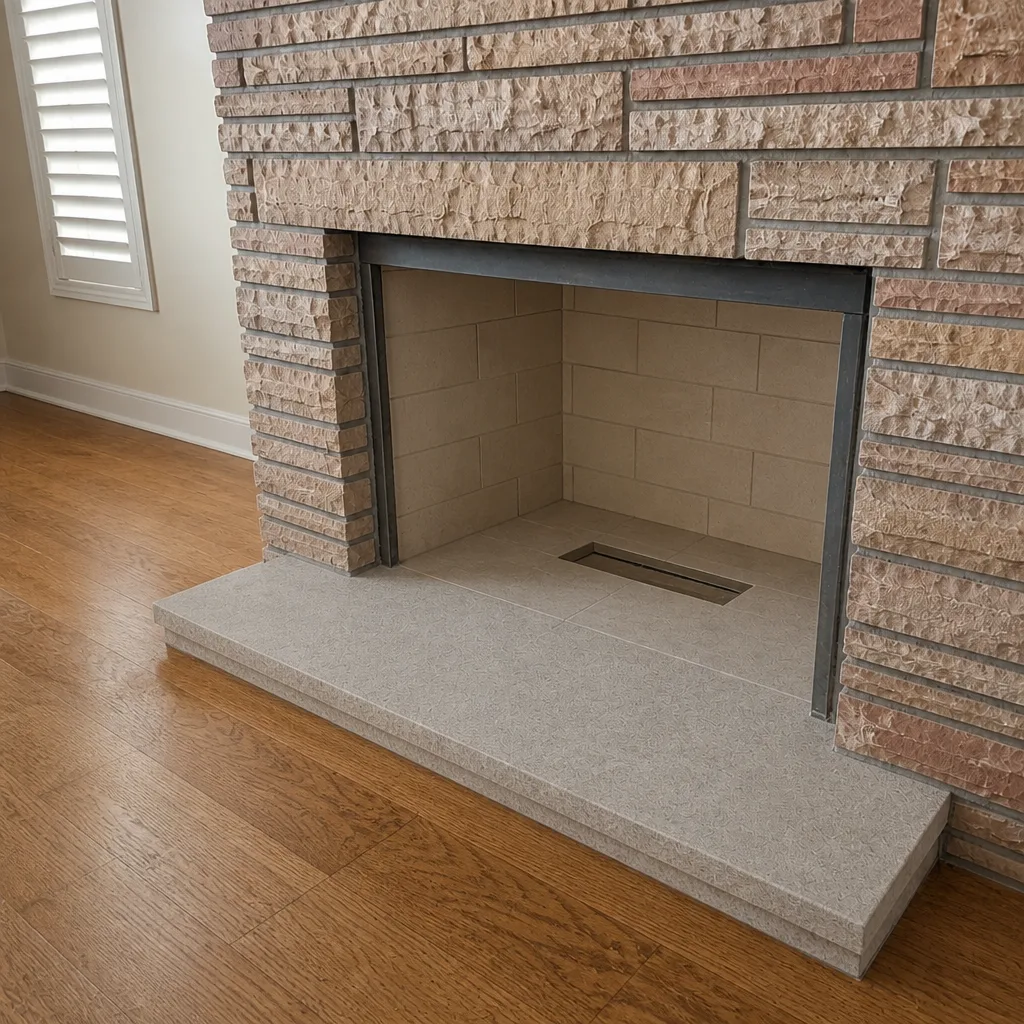
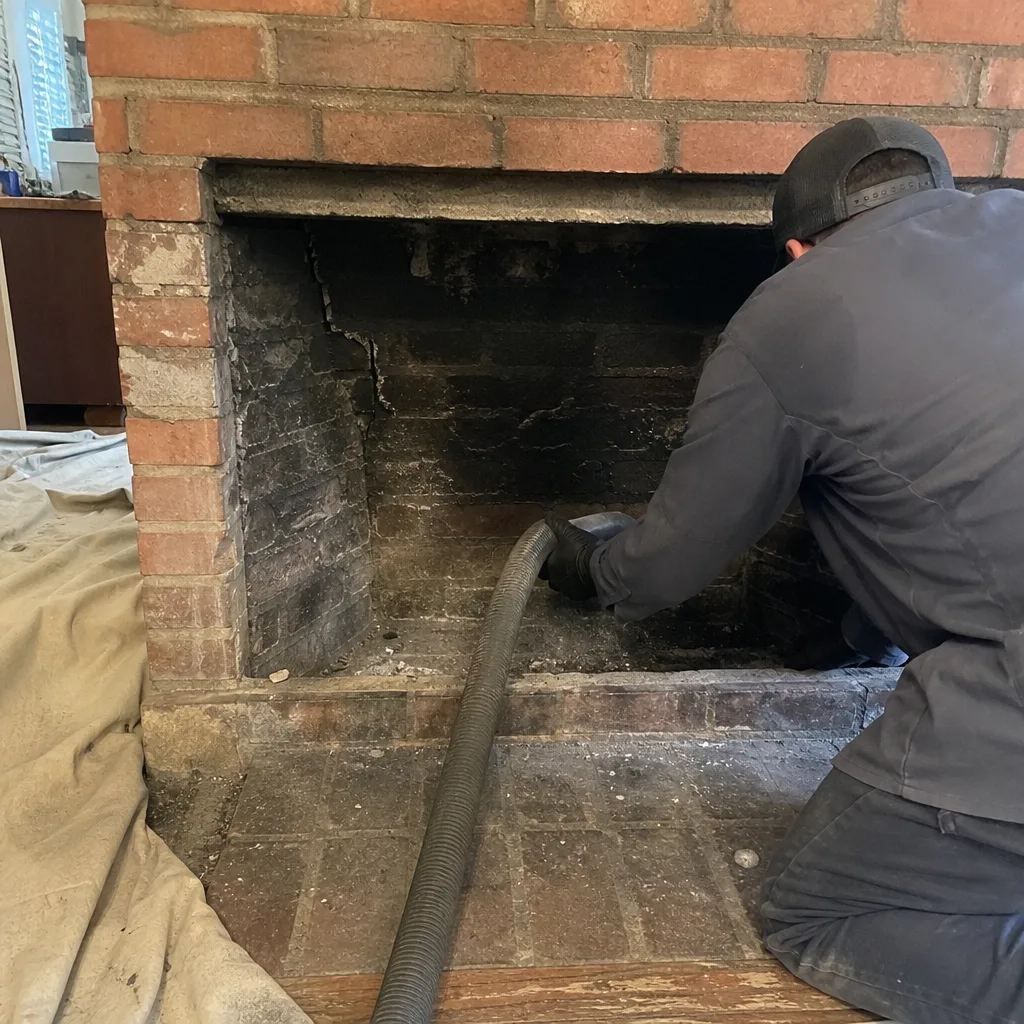
See the difference
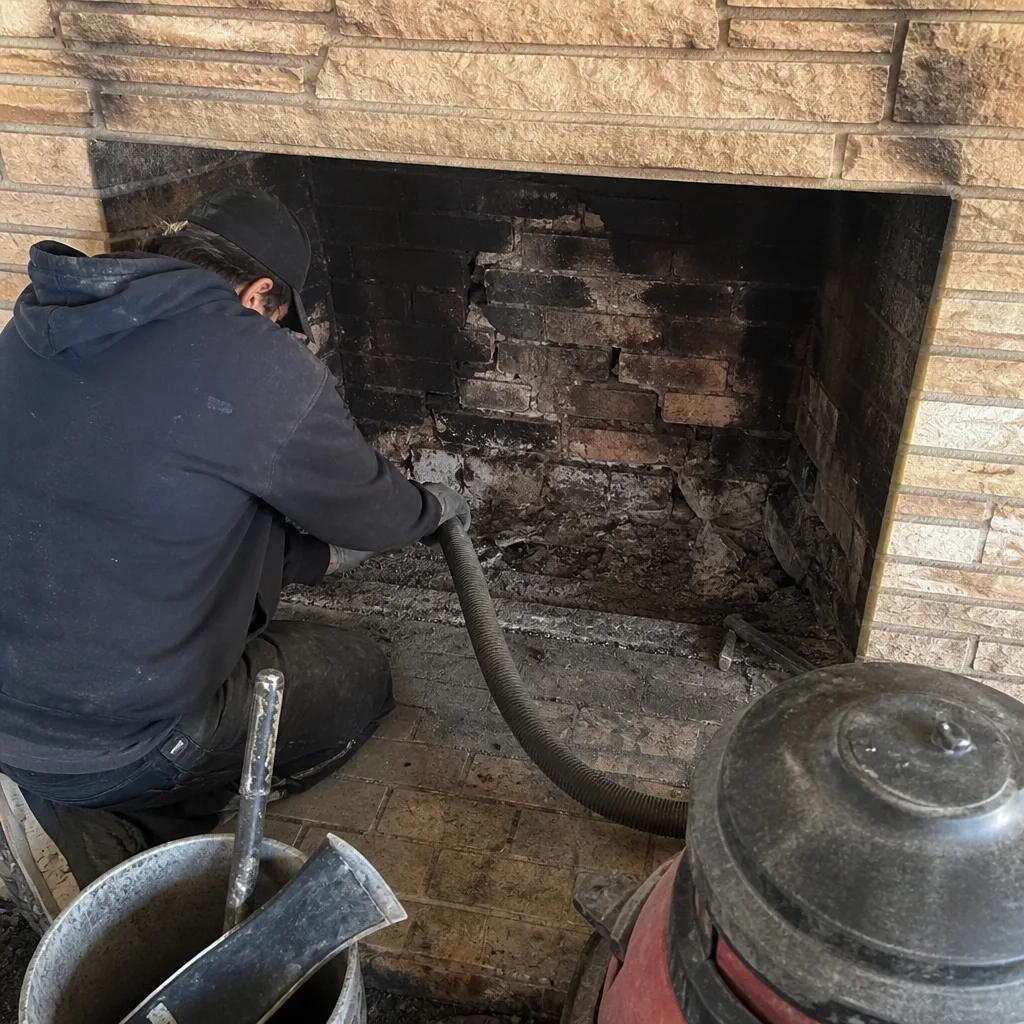 Before
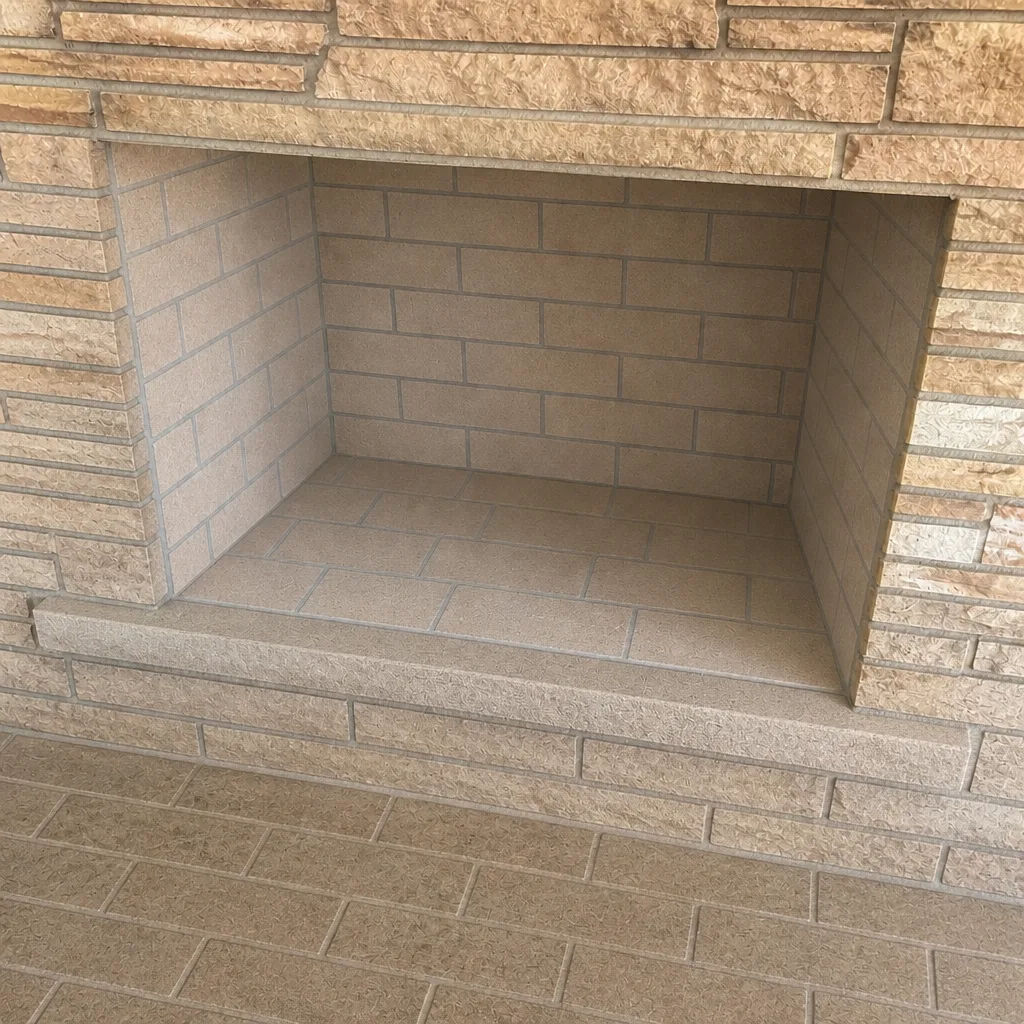 After
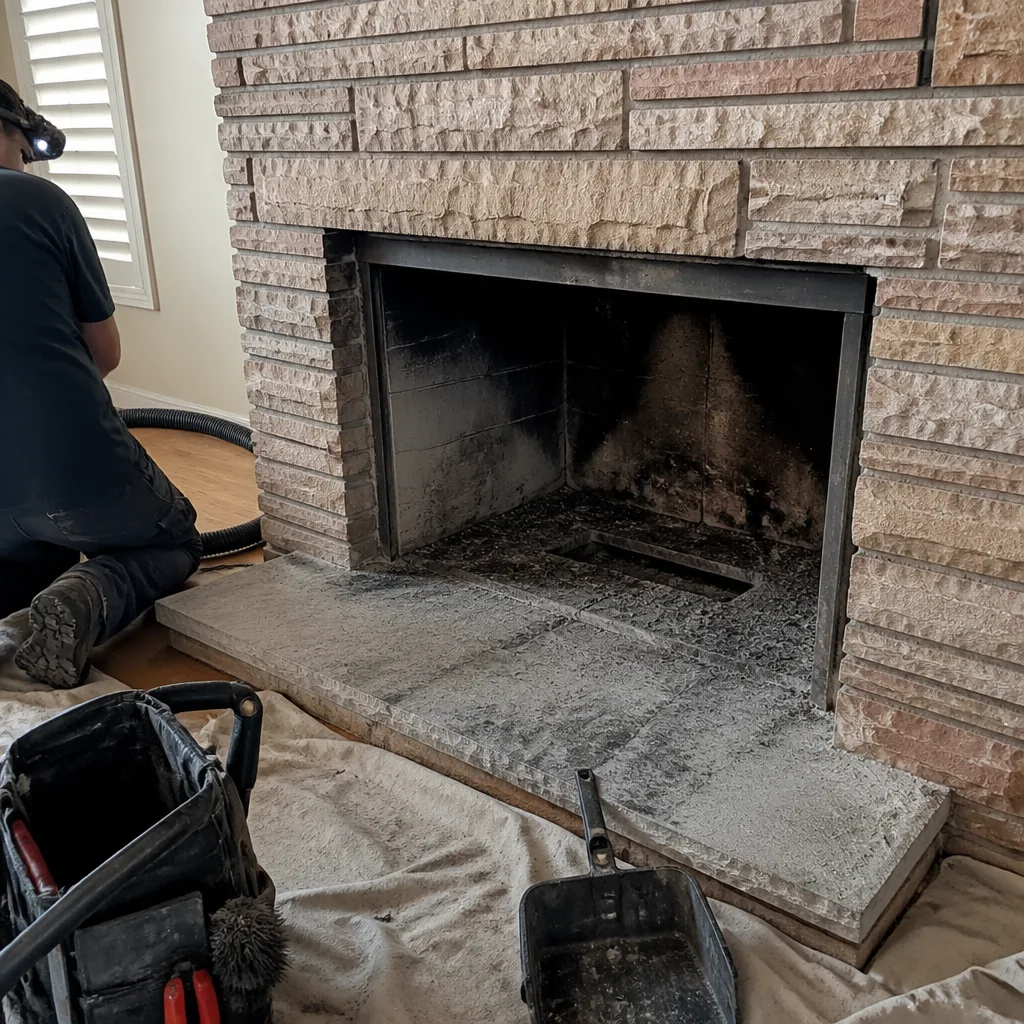 Before
 After
 Before
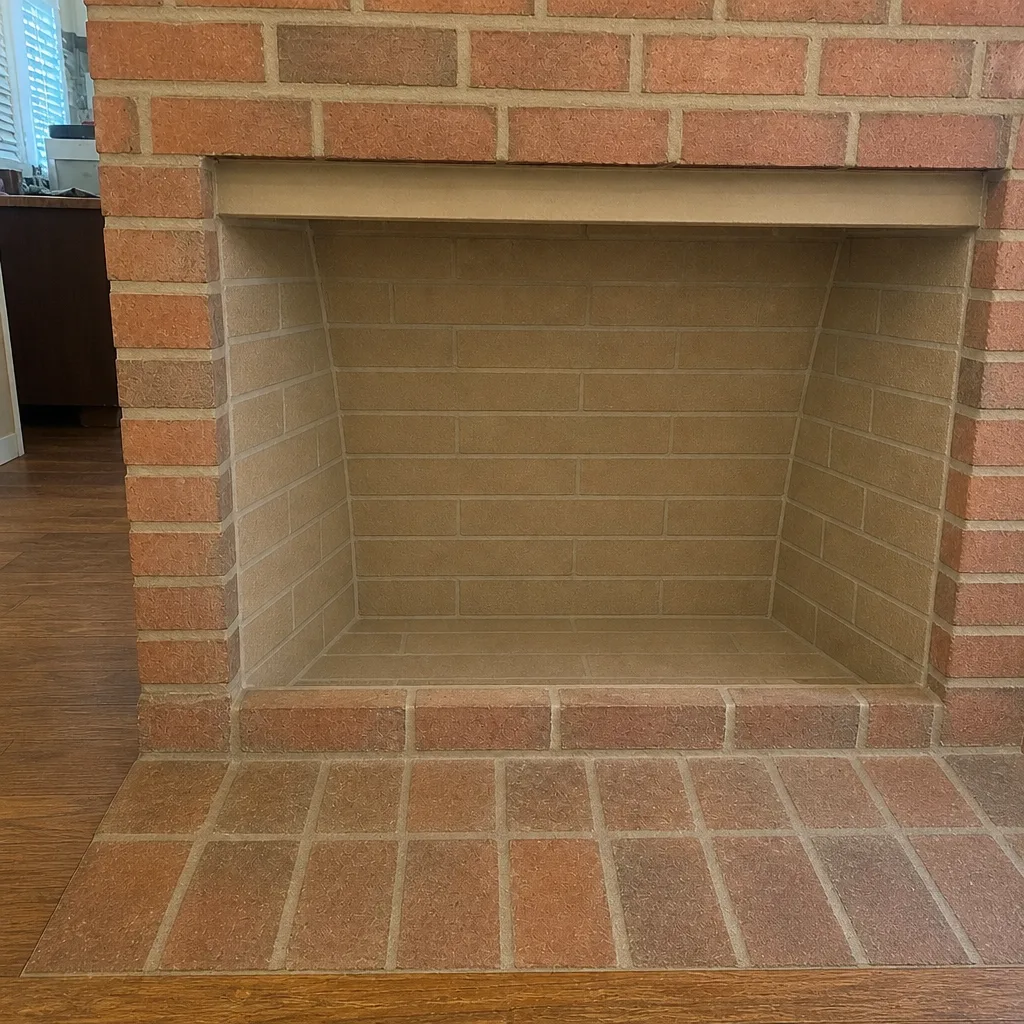 After
When to Call a Professional
Call a professional when your chimney work moves beyond cleaning, when you’re buying or selling a home in Arvada, or when you don’t know the history of a chimney you’re living with. A camera inspection should happen any time the appliance type has changed, any time you’ve had a chimney fire (even a small one), and any time a home inspector has flagged something. It also should happen at the start of a heating season if you haven’t been inside the flue in a year or more. Our chimney sweep includes a visual check, and if it turns up more, a Level 2 inspection with camera evidence follows. We use HeatShield for flue resurfacing and DuraFlex for relining, and we walk through the permit requirement as part of the quote when the work requires one. Arvada Chimney Cleaning offers free estimates in Arvada – call (855) 508-5717. We answer 24/7. Fast dispatch from 7am to 7pm, Sunday through Friday.
Frequently Asked Questions
No. Routine chimney sweeping and a standard Level 1 visual inspection in Arvada are permit-exempt because they don’t alter the structure or venting system. If a contractor suggests otherwise for a basic cleaning, ask what specifically triggers the requirement.
Liner replacement, firebox rebuilds, structural masonry repair, and new appliance installation all require permits through the City of Arvada building department. The contractor performing the work is responsible for pulling the permit before any materials go in, not after.
Ask for the permit number before work begins, then confirm it through the City of Arvada’s permit lookup. The permit scope should match the actual work being done. Request the signed inspection record after the city review, and keep it with your home records. Call (855) 508-5717 if you want to see how we handle the documentation on a typical job.
A sweep receipt documents that cleaning happened. A code-compliant inspection report documents what was found, at what inspection level, with photographic evidence of the flue interior and a description of each component checked. The report is what holds up in a real estate transaction, an insurance claim, or a warranty dispute.
It can complicate a claim after a fire or damage event. Insurers reviewing a chimney fire will look at the permit trail to establish whether the installation was done to code by a licensed contractor. Unpermitted work leaves a gap in that record. For a defensible paper trail on a chimney repair, ask about permits and documentation up front.
A Level 2 inspection, which includes camera review of the flue interior. It’s the standard buyers, sellers, and their agents expect in a real estate transaction, and it’s what lenders and insurers may ask for during the contingency period.
The Bottom Line
Chimney cleaning in Arvada doesn’t require a permit, but plenty of chimney work does. Liner replacement, firebox rebuilds, structural repairs, and new appliance installations all go through the City of Arvada or Jefferson County depending on the address, and the permit trail is the record that protects you at the point of sale or at the point of a claim. A code-compliant inspection report backed by camera evidence is a different document from a sweep receipt, and both have their place. Ask about permits before the quote is final. Ask for the permit number before work begins. If the answers don’t come easily, that’s your signal to call someone else.
Arvada Chimney Cleaning handles the sweep, the inspection, and the repair, with professional-grade materials from DuraFlex, HeatShield, Copperfield, and Famco. When a job requires a permit, the permit process is part of the estimate, not an afterthought. Call (855) 508-5717 for a free estimate. We answer 24/7. Fast dispatch from 7am to 7pm, Sunday through Friday.
Written by the team at Arvada Chimney Cleaning.