
Last updated November 15, 2026
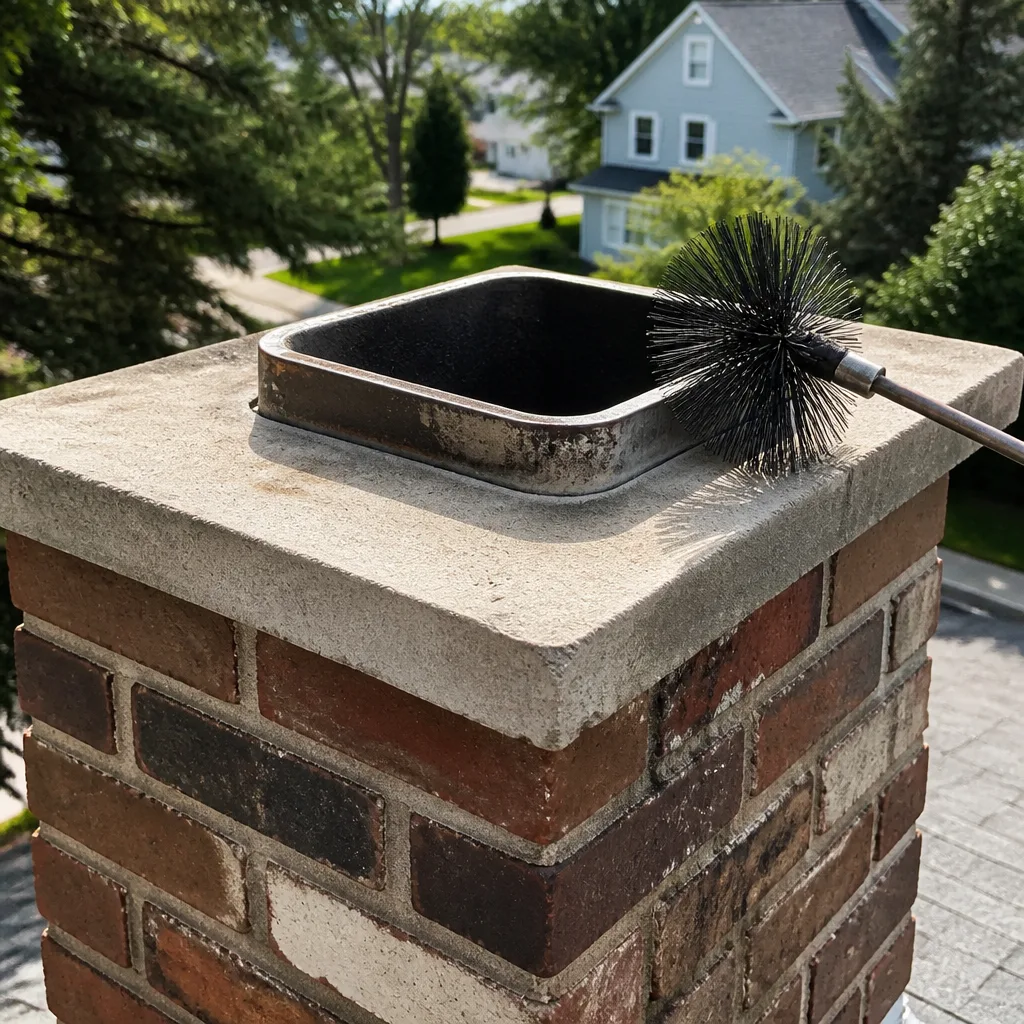 Sweep & inspection
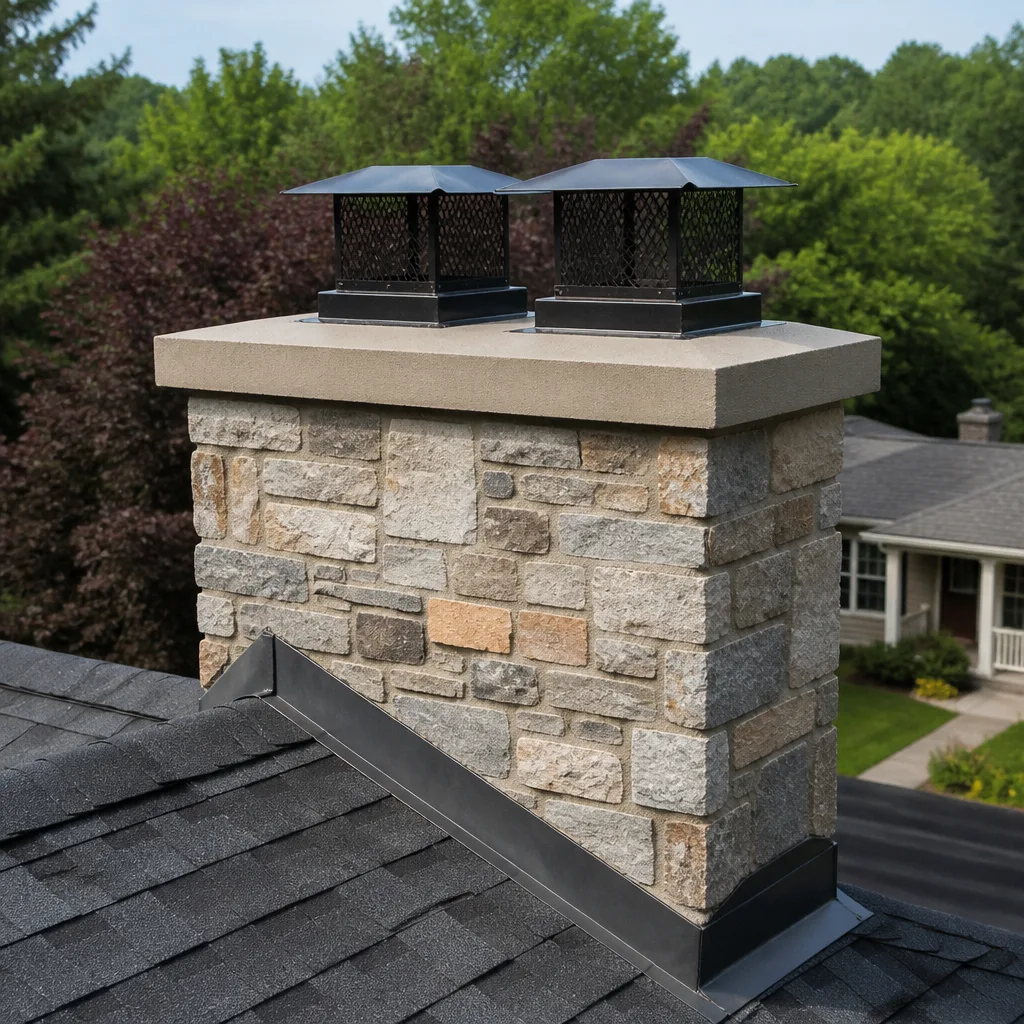 Caps & crowns
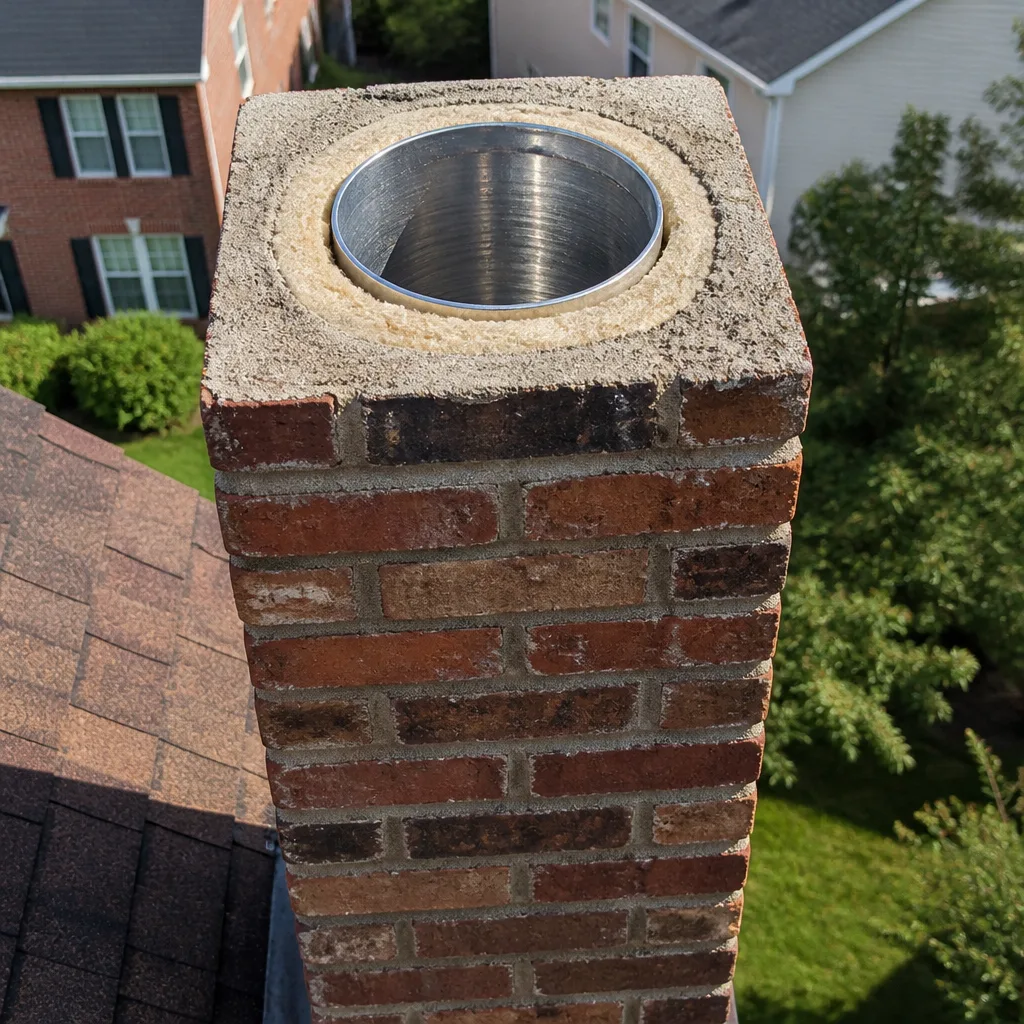 Flue relining
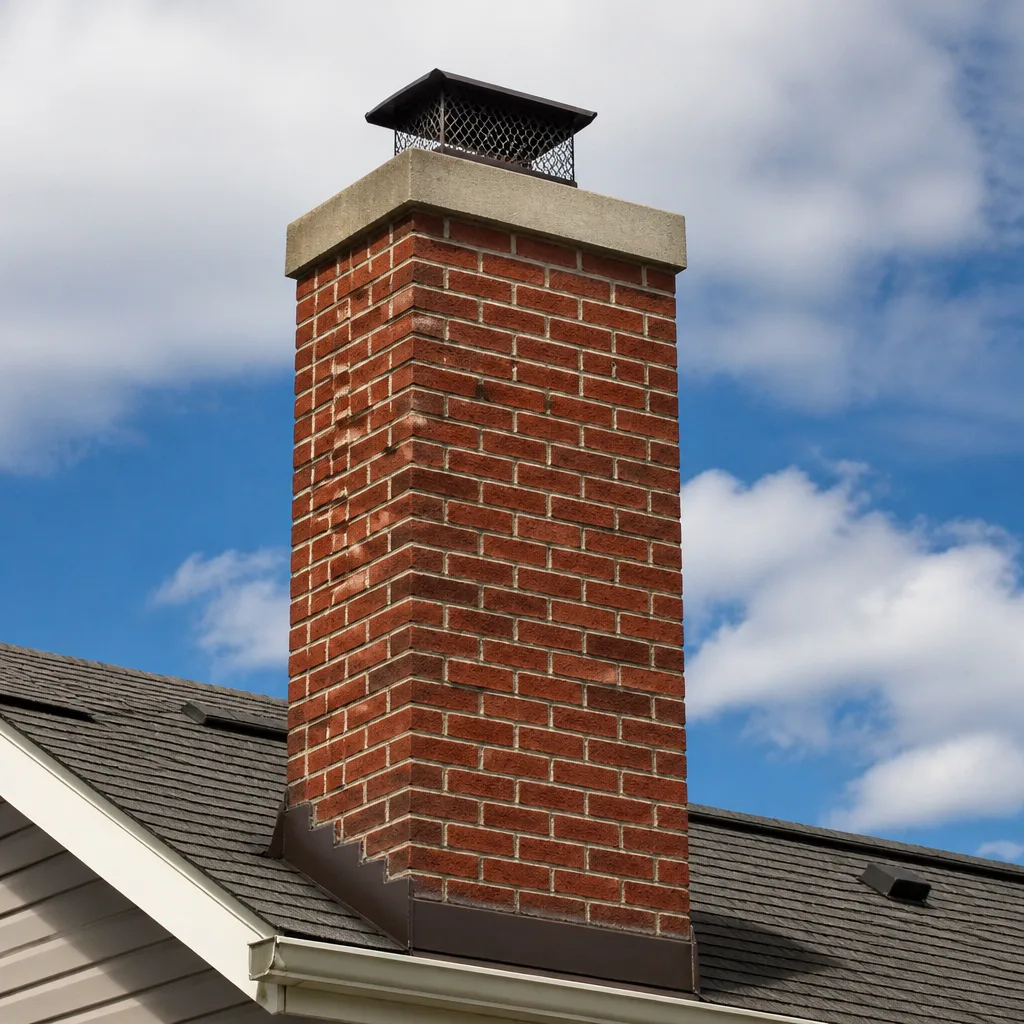 Masonry repair
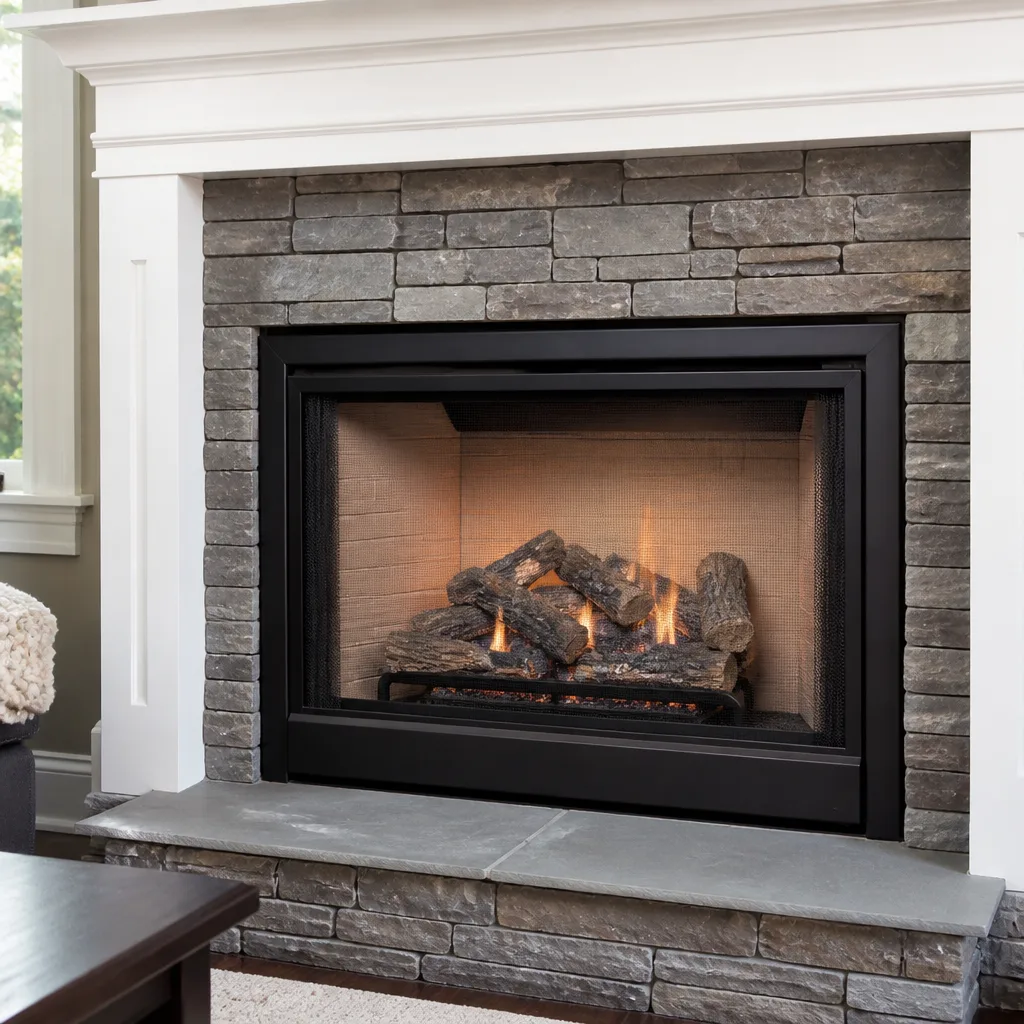 Gas fireplace service
Level 1 sweep and inspection to the NFPA 211 annual standard - flue, crown, cap, and flashing checked and photographed
Chimney sweep logs do not sweep chimneys. They loosen some creosote - which then falls where a brush and vacuum still have to collect it.
Chimney Cleaning Warning Signs: An Arvada Homeowner’s Reference Guide
Most chimney warning sign lists point at the obvious things: smoke rolling into the room, a visible crack in the firebox, a nest wedged on top of the flue. Those are real, but by the time you see them the system has usually been failing quietly for a while. The signals that cost homeowners the most in Arvada are the ones they walk past for months without registering: a white chalky stain spreading across the chimney brick, a musty smell from the fireplace in July, a damper that won’t quite close. This guide covers those low-visibility signals, how to read them, how to photograph them accurately, and how to tell which ones mean “schedule a visit soon” versus “stop burning tonight.” Arvada sits in a freeze-thaw cycle that punishes masonry, and the clues show up early if you know where to look.
Quick Answer
The most important chimney warning signs are efflorescence (white staining on brick), cracked crowns, missing caps, mortar erosion between courses, summer fireplace odors, dampers that won’t seal, rust staining inside the firebox, and slow ignition or smoke rollout during use. Signals of active water intrusion or a blocked flue mean stop using the fireplace now; most others mean schedule an inspection before the next heating season. Any of them is a reason to have the system looked at rather than guessed about.
Styles & brands we work with
- Sweep & inspection
- Caps & crowns
- Flue relining
- Masonry repair
- Gas fireplace service
Table of Contents
- What Efflorescence Tells You About Your Chimney
- Exterior Warning Signs You Can Read From the Ground
- Interior Signals Homeowners Overlook
- Draft and Performance Signals During Use
- Schedule Soon vs. Stop Using the Fireplace Now
- How to Photograph and Document Warning Signs
- Common Mistakes to Avoid
- When to Call a Professional
- Frequently Asked Questions
What Efflorescence Tells You About Your Chimney
Efflorescence is the white, chalky staining that appears on brick and mortar. It looks like a cosmetic bloom, and that is exactly why so many homeowners ignore it until something bigger shows up. It is not cosmetic. Efflorescence is what’s left behind when water moves through masonry under pressure, dissolves salts inside the brick and mortar, and then evaporates from the surface. The white deposit is the residue. The water doing the moving is the actual problem.
On a chimney in Arvada, that water has a second job: it freezes. Arvada’s climate swings between freezing nights and warm afternoons through much of the winter and early spring, and each of those swings works masonry the way a wedge works stone. Water gets into a hairline crack or a porous brick face, freezes, expands, and opens the crack a fraction wider. It thaws, drains, refills, and the cycle repeats. A chimney that showed a faint white bloom in October can show spalling brick faces and crumbling mortar by the following March.
Here is what efflorescence usually points to in our experience:
- A failing crown. The concrete cap at the top of the chimney is supposed to shed water away from the masonry. When it cracks or pulls away from the flue, water runs straight into the brick below.
- Missing or damaged cap. A chimney cap keeps rain and snow out of the flue. Without one, water enters from above and works down through the interior.
- Mortar joint erosion. Softened or recessed mortar between brick courses lets water in sideways, especially on the windward face.
- Failed flashing. The metal where the chimney meets the roof is a common entry point, and efflorescence often appears lower on the chimney when flashing is the source.
Efflorescence alone does not mean the chimney is unsafe to use. It does mean water is actively moving through the structure, and the right response is a proper inspection that checks the crown, cap, flashing and mortar before the freeze-thaw season does more of the work. Cleaning the staining off the brick without fixing the source just hides the evidence for another season. If you’ve noticed white staining on your Arvada chimney, that’s a reasonable moment to schedule a chimney sweep and inspection together so the flue condition and the masonry condition get read at the same time.
Exterior Warning Signs You Can Read From the Ground
You don’t need a ladder to catch most of the exterior warning signs. A slow walk around the house with your phone camera will show you more than you’d expect. In our experience, the four signals below cover the majority of what turns up on Arvada chimneys before a professional inspection even starts.
1. Efflorescence and spalling brick
White staining is the first frame, as covered above. Spalling is the next: brick faces flaking off or popping loose in thin sheets. When you can see spalling from the ground, the masonry is already losing material.
2. Cracking or crumbling crown
The crown is the sloped concrete cap at the very top. Look for visible cracks, a crown that has pulled away from the flue tile, or pieces sitting loose. A cracked crown is one of the most common sources of water intrusion.
3. Missing or damaged chimney cap
A cap keeps rain, snow, birds and debris out of the flue. If the cap is missing, bent, or rusted through, water and animals get in. This is a cheap fix that prevents expensive damage.
4. Mortar erosion between brick courses
Run your eye down the joints between brick. Recessed, sandy, or missing mortar means the joints are weathering out. This is normal over time, but it needs repointing before water gets behind the brick.
If you’re buying or selling a home in Arvada, these exterior signals are exactly what a buyer’s inspector will flag, and it’s worth reading them the same way. Arvada’s older housing stock in neighborhoods like Olde Town and the areas nearer Ralston Creek tends to show masonry wear earlier than newer construction, partly because of age and partly because the chimneys see more weather cycles. A professional chimney repair visit that catches a cracked crown and worn mortar early is a small job. The same visit a couple of winters later can involve rebuilding the top courses of the chimney, which is a much larger scope. Document what you see from the ground now, and the conversation with a professional starts from evidence rather than from a sales pitch.
Interior Signals Homeowners Overlook
The inside of a fireplace tells you things the outside can’t. These are the signals we see most often dismissed simply because they’re quiet or seasonal, and each one has a specific meaning worth understanding.
The summer fireplace smell
A musty, smoky, or sour odor coming from the fireplace in warm months is one of the most reliable low-visibility warning signs there is. In summer, the pressure balance in a house often reverses, and air flows down the chimney into the living space rather than up and out. What comes down with it is the smell of whatever has accumulated on the flue walls, plus moisture held in the masonry. If your fireplace smells worse in summer than in winter, the chimney is telling you it needs cleaning and the masonry may be holding water.
A damper that won’t seal
The damper is the metal plate above the firebox that opens for a fire and closes when the fireplace is idle. When it warps, rusts, or fails to seat, the chimney stays open to the house year-round. That means conditioned air escapes up the flue in winter and humid air enters in summer, along with the odors. A damper that doesn’t close cleanly is a small repair that prevents a larger comfort and moisture problem.
Rust staining in the firebox
Rust on the damper, the firebox metalwork, or the surrounding trim means moisture is regularly present where it shouldn’t be. That moisture can come from a missing cap, a leaking crown, or water running down the flue. Rust staining is the interior counterpart to efflorescence on the outside of the chimney, and it deserves the same attention.
Creosote buildup you can see
Look up into the firebox and the smoke chamber with a flashlight. A thin dusting of soot is normal. Shiny, glassy, or heavily crusted deposits on the flue walls are a different matter: that is creosote, and it’s what chimney fires feed on. In our experience, this is the signal homeowners most often underestimate because it’s invisible from the couch. A camera inspection shows it clearly, and a professional sweep removes it safely.
Gas fireplace owners aren’t exempt. A gas log set or gas insert produces water vapor and, if the burner or venting has an issue, other byproducts you don’t want in the room. The same rust and odor signals apply, and gas appliances deserve the same annual check.
Draft and Performance Signals During Use
How the fireplace behaves while it’s burning is its own diagnostic channel. Performance problems during a fire usually trace back to one of three things: a partially blocked flue, a chimney that isn’t drafting properly, or excess moisture in the wood and the system. Here’s how to read the signals.
Slow ignition and a fire that struggles to catch
A fire that takes forever to catch, smolders, or keeps dying back can mean the flue is restricted or the draft is weak. A flue that’s heavily coated with creosote has less room for smoke to travel, and a chimney that’s cool and damp drafts poorly until it warms up. Both are inspection items.
Smoke rollout into the room
Smoke spilling out of the firebox while the fire is burning is always worth taking seriously. It can be a cold-flue issue on the first fire of the season, but if it happens routinely, the cause is usually a blockage, a damaged flue liner, or a house pressure problem pulling smoke back down the chimney. A blocked or damaged flue means combustion gases aren’t leaving the house the way they should. Stop burning and have it looked at.
Persistent odor after the fire is out
If the smell of smoke lingers in the room for hours after the fire has died down, the damper likely isn’t sealing, or the flue is holding creosote that continues to off-gas. This is one of those low-grade warning signs that’s easy to live with and shouldn’t be.
Uneven heat and a fire that burns oddly fast
A fire that gets too much draft can burn hot and fast, which is rough on the firebox and the liner. If you notice your fire burning much hotter or faster than it used to, that’s a draft issue worth checking.
Signals in this category are usually the fastest ones to diagnose. We use a camera inspection so the flue’s actual condition gets photographed rather than inferred, and so any blockage or liner damage is documented before a repair is recommended. Whatever’s going on with your draft, the first step is finding out rather than guessing.
Schedule Soon vs. Stop Using the Fireplace Now
Telling the difference between “get this looked at” and “don’t light another fire” is the most useful skill in this entire guide. The categories below are the ones we’d use on our own homes.
Stop using the fireplace now
- Smoke spilling into the room during routine use. Combustion gases aren’t going up the chimney, and that’s the whole point of the chimney.
- A heavy creosote smell or visible shiny deposits that you can see from the firebox. That’s fire fuel, and the next fire could ignite it.
- Rust staining plus a musty smell combined. Water is actively in the system, and the liner condition is unknown.
- A firebox or flue that feels soft, crumbly, or has cracking you can see. Structural damage means the liner can’t do its job.
- Any sign of an animal or nest in the flue. A blocked flue will push smoke and carbon monoxide back into the house.
Schedule a visit soon
- Efflorescence with no other symptoms yet. Water is moving, but the system may still be intact. Get it inspected before the next freeze.
- A crack in the crown or a loose cap. A small exterior repair now prevents masonry damage later.
- Mortar joints that are weathering out. Repointing is routine maintenance and best done on your schedule.
- A damper that doesn’t seal, or a summer odor that’s new. These are nuisance-level until they aren’t. Get them on the books before burning season.
- Slow ignition or a fire that smolders. A sweep and inspection will tell you whether it’s buildup or something more.
The general rule: anything that suggests combustion gases aren’t leaving the house, or that a fire could ignite creosote in the flue, means stop. Anything that suggests water is working on the masonry is a maintenance timeline, not an emergency, provided it’s addressed before the next freeze-thaw cycle does real damage. That’s the frame we’d want a homeowner in Arvada to hold.
How to Photograph and Document Warning Signs
A good photo of a chimney problem is worth more than a paragraph of description, both for the inspection and for any conversation with a home inspector, an insurer, or a buyer. Here’s the process we recommend, done safely:
- Start at ground level and work around the house. Take wide shots of the whole chimney from each visible side, then zoom in on anything that catches your eye. Landscape orientation for the wide shots, portrait for the close-ups.
- Get the sun behind you. Late morning and early afternoon light reads detail best. Shade flattens texture and hides efflorescence.
- Photograph efflorescence and spalling close up, with something for scale. A coin, a hand, or a tape measure laid against the brick gives the photo a reference.
- Photograph the crown and cap from the safest highest point you can reach safely – usually a ground-level angle with zoom, or a window. Never climb on a roof yourself. Roof and height work is the most dangerous part of any exterior inspection, and it’s one of the jobs a professional should do.
- Open the damper and photograph the inside of the firebox and the flue with a flashlight. Hold the light low and to one side so it rakes across the surface. Shiny creosote glints when you do this; soot doesn’t.
- At the bottom of every photo, note the date and the location on the chimney (roof-facing side, north face, crown, firebox). A simple note in your phone’s album works.
When you book an inspection, tell us what you noticed and share the photos. That gives the technician a starting point, and it makes sure the findings you get back line up with what you saw. Our camera inspection and the report that comes with it do the same job from the flue side: you get a documented record of what’s actually there.
Common Mistakes to Avoid
- Treating efflorescence as a cleaning problem. Scrubbing the white staining off the brick removes the evidence and leaves the water source in place. Fix the crown, cap, or flashing first.
- Burning through a summer odor. A lot of homeowners light the first fire of the season and assume the smell will clear. If a fireplace in Arvada smells musty in July, the cause is down the flue and it doesn’t fix itself with use.
- Ignoring the damper. A damper that doesn’t seal is a small repair that keeps postponement smooth until the moisture damage isn’t small. Have it fixed while the weather’s warm.
- Measuring “years since the last sweep” as a schedule. Sweep frequency depends on how much you burn, what you burn, and the condition of the flue. A family that burns a cord of wood a season needs attention sooner than a homeowner who lights the fireplace a dozen times a year.
- Skipping the inspection because the sweep “looked fine.” A sweep cleans the flue. An inspection reads the crown, cap, liner, flashing, and firebox. They’re different services and you want both.
- Climbing on the roof to check the crown yourself. Roof work and height work are genuinely dangerous, and the tools a professional uses to inspect the top of a chimney aren’t available to you anyway. Stay on the ground and use zoom.
- Patching a problem with a hardware-store product. Liner repairs and crown work need products rated for it. That’s why we use professional-grade materials like HeatShield for resurfacing and DuraFlex for relining, sourced through supply lines such as Copperfield and Olympia Chimney.
When to Call a Professional
Call a professional when you see anything on the “stop using” list, when you see efflorescence or a cracked crown, when your fireplace smells in summer, when a damper won’t seal, when a fire smolders or smokes into the room, or when an inspection flagged the chimney during a real estate transaction. Also call when you can’t tell – the whole point of a professional inspection is that the flue’s condition gets read with a camera rather than guessed at from the couch. A home inspection flag is a good reason, and so is a fireplace you’ve bought with a house and never had looked at. Arvada Chimney Cleaning offers free estimates in Arvada – call (855) 508-5717. We answer 24/7, with fast dispatch from 7am to 7pm.
Frequently Asked Questions
Efflorescence, the white chalky stain on brick, is the most common one we see. It’s easy to spot, easy to dismiss, and it’s the earliest readable sign that water is moving through the masonry. Follow it up with an inspection before the freeze-thaw season has another chance to widen the cracks.
Yes, and it’s one of the most useful early warning signs there is. Summer odors mean air is pulling down the chimney and bringing moisture and creosote smell with it, which points to a dirty flue, failed damper, or moisture in the masonry. The cool-weather version of this is the same problem without the smell.
It means water is actively moving through the brick and mortar under pressure. On a chimney in Arvada, that water also freezes and expands, and each freeze cycle widens whatever path it’s using. Cleaning it off doesn’t help; finding and fixing the source of the water does.
No. Paint and sealant trap moisture inside the masonry instead of keeping it out, and a crack in the crown needs actual repair, not a coat of paint over it. The crown, cap, and mortar need professional repair products rated for masonry, not big-box substitutes.
A visual check from the ground twice a year works well – once in fall before burning season, once in spring after it. The interior check with a flashlight is worth doing at the start of each burning season. Have a professional inspection done when anything turns up, when you’ve just moved into a home in Arvada with a fireplace you don’t know the history of, or per your annual safety schedule.
For most homeowners, a professional sweep is the right call. The flue, the firebox, the damper, and the crown are all part of the same system, and a sweep that leaves a damaged liner or a failing crown behind it doesn’t tell you what you need to know. A professional sweep finishes the job with a camera inspection, so the flue condition gets documented rather than assumed. Call (855) 508-5717 for a free estimate so you know exactly what’s involved.
The Bottom Line
The warning signs that matter most on an Arvada chimney are the quiet ones: white staining on the brick, a musty summer smell, a damper that won’t seat, a fire that smolders instead of catching. Each one is a readable clue, and each one has a specific cause. Read them from the ground with a camera, document what you find, and get the flue inspected with a camera before any repair is recommended. A small exterior repair in fall is a fraction of what a rebuild after a hard freeze costs. If you’ve spotted any of these signals, get the system looked at rather than guessed about. That’s how a chimney stays safe and how a house stays warm.
One company for the sweep, the inspection, and the repair – no handoffs, no gaps.
Arvada Chimney Cleaning offers free estimates in Arvada. Call (855) 508-5717. We answer 24/7. Fast dispatch from 7am to 7pm, Sunday through Friday.
Written by the team at Arvada Chimney Cleaning.
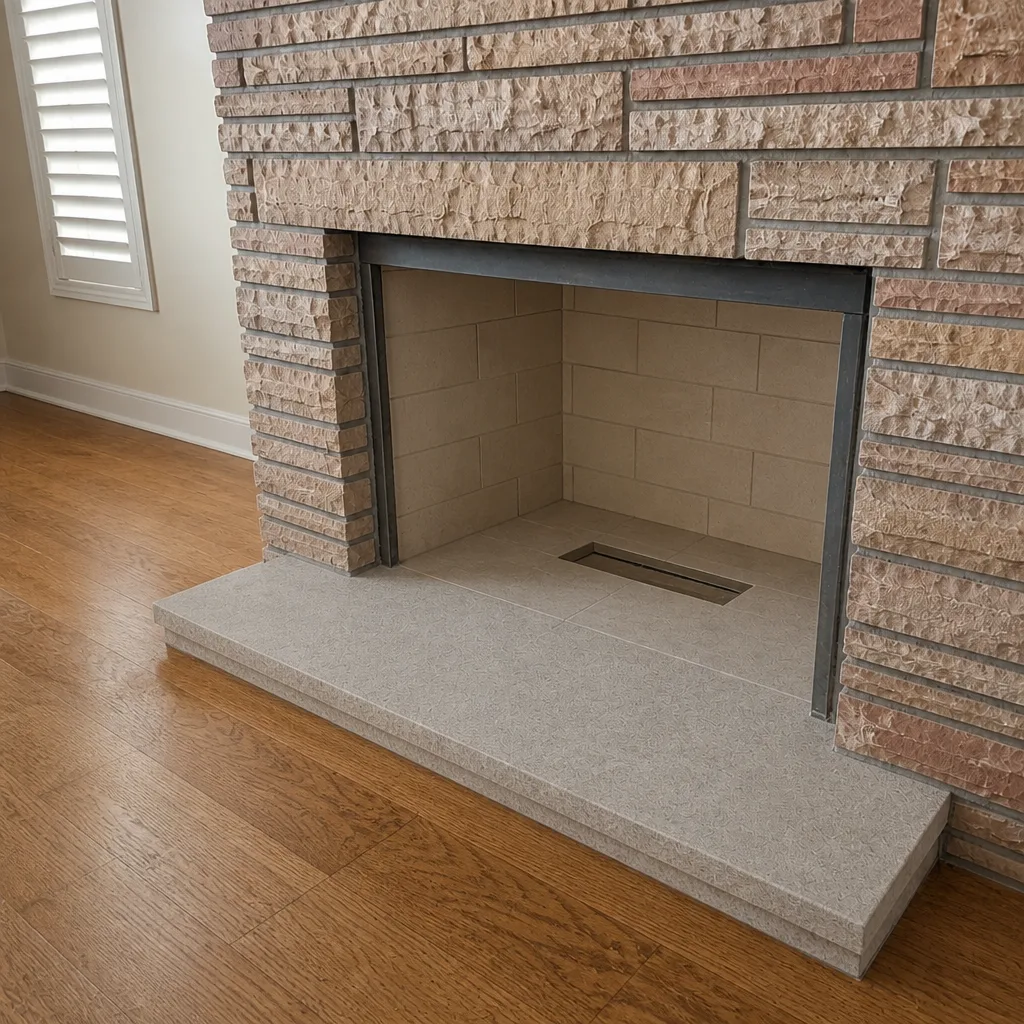
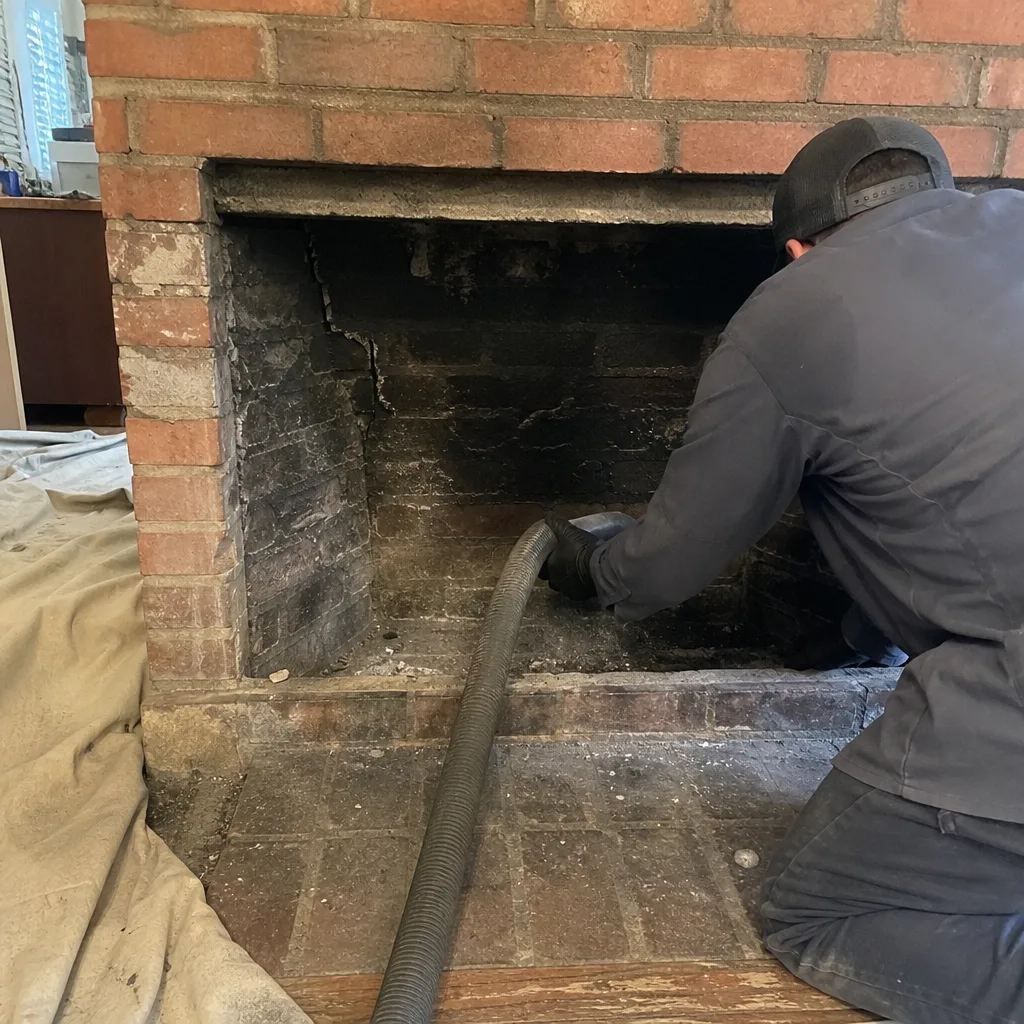
See the difference
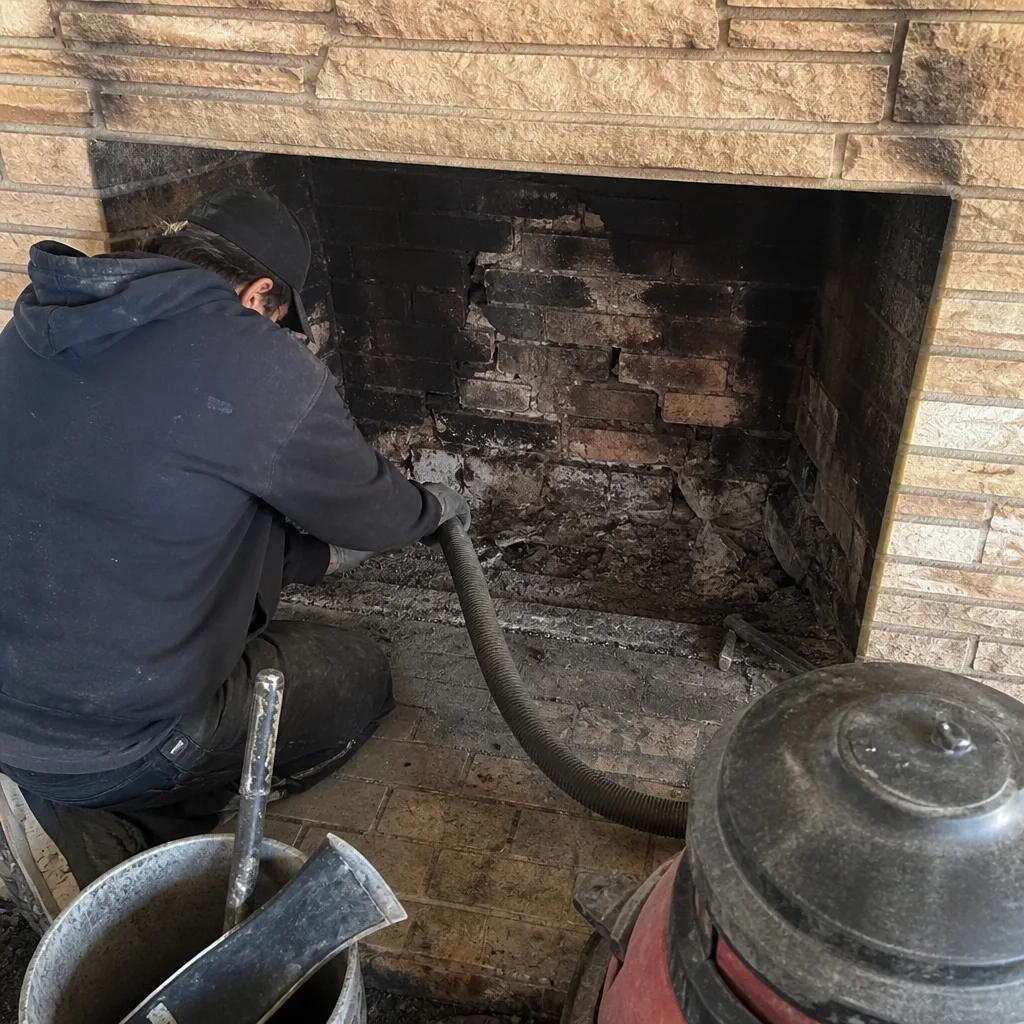 Before
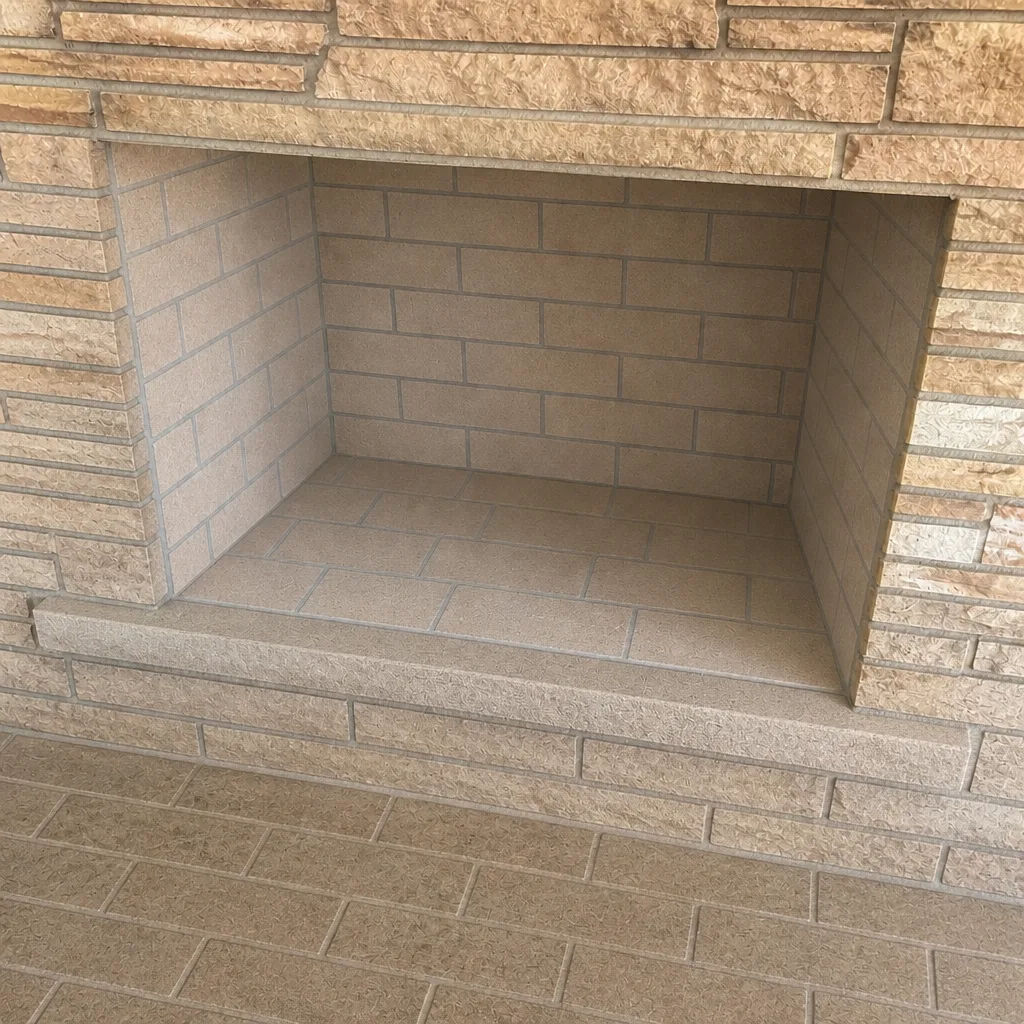 After
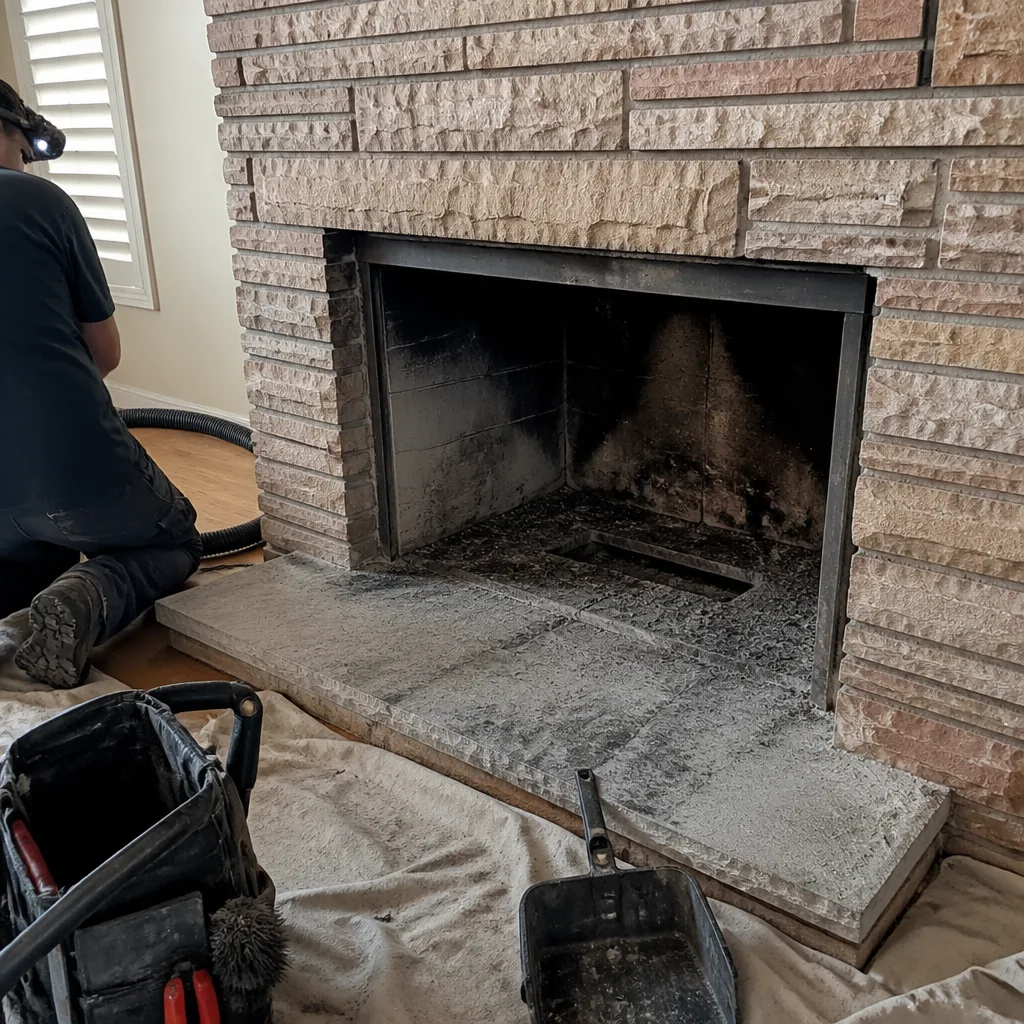 Before
 After
 Before
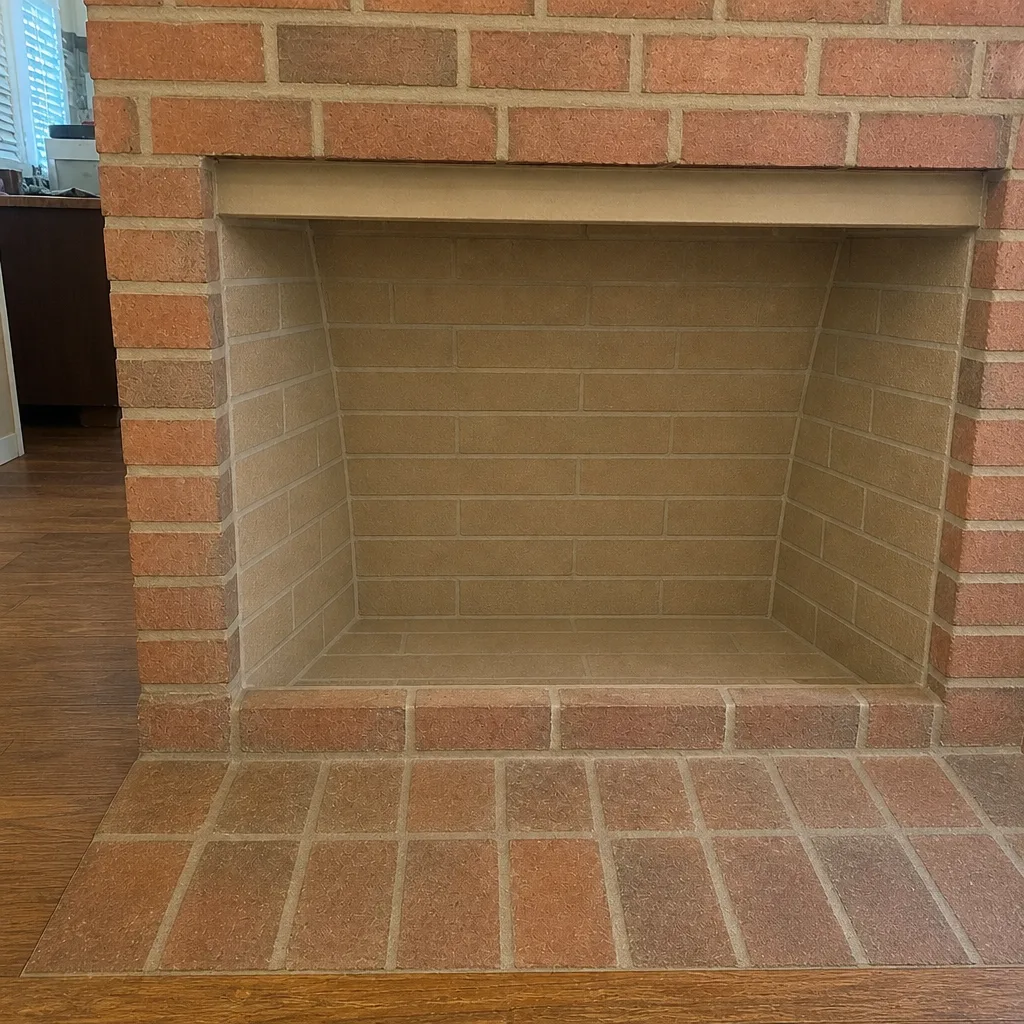 After