
Last updated November 15, 2026
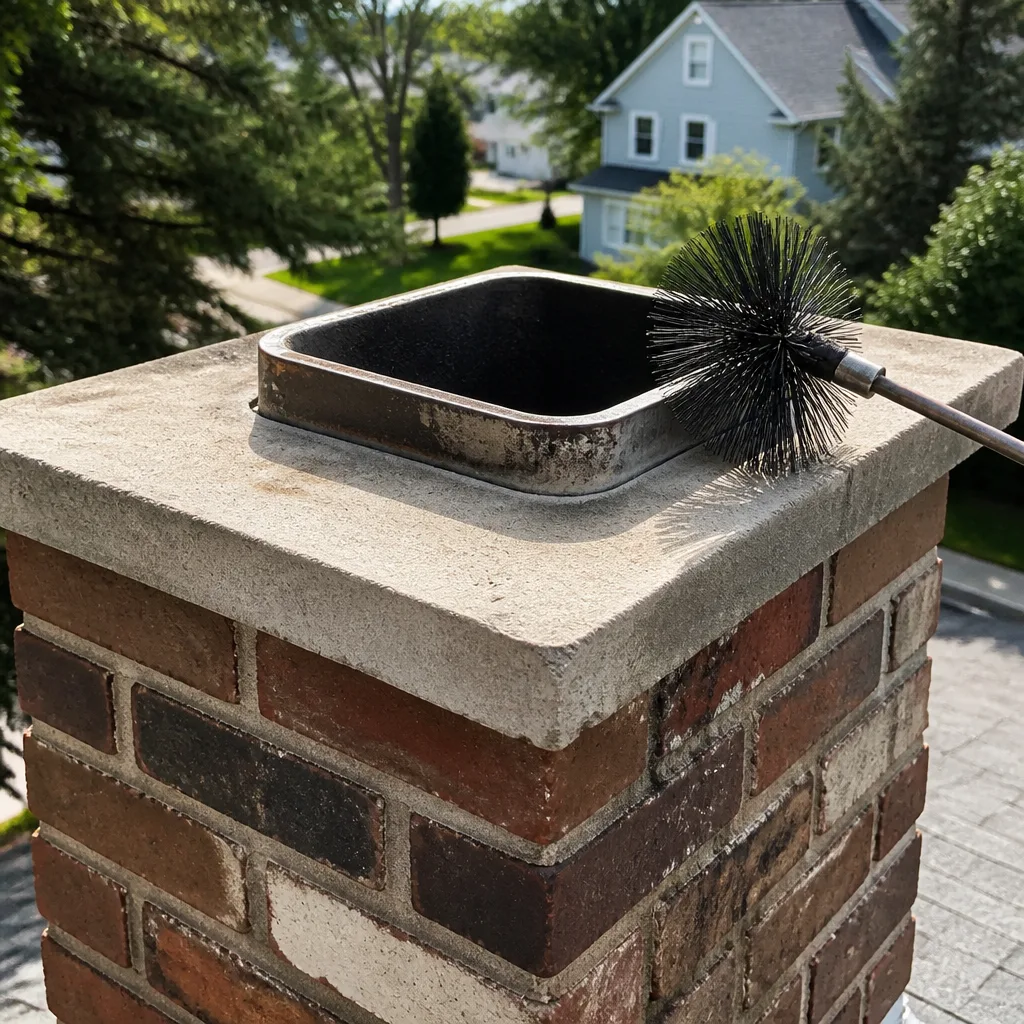 Sweep & inspection
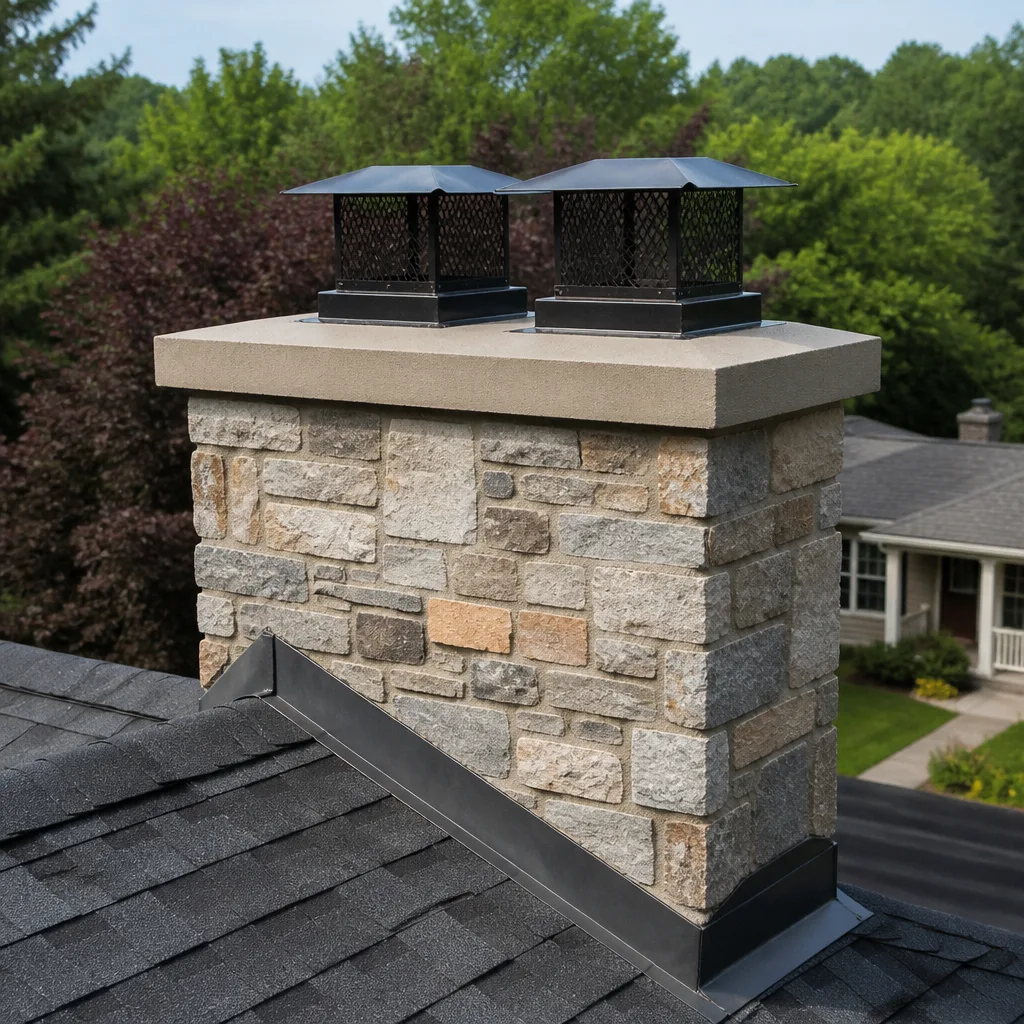 Caps & crowns
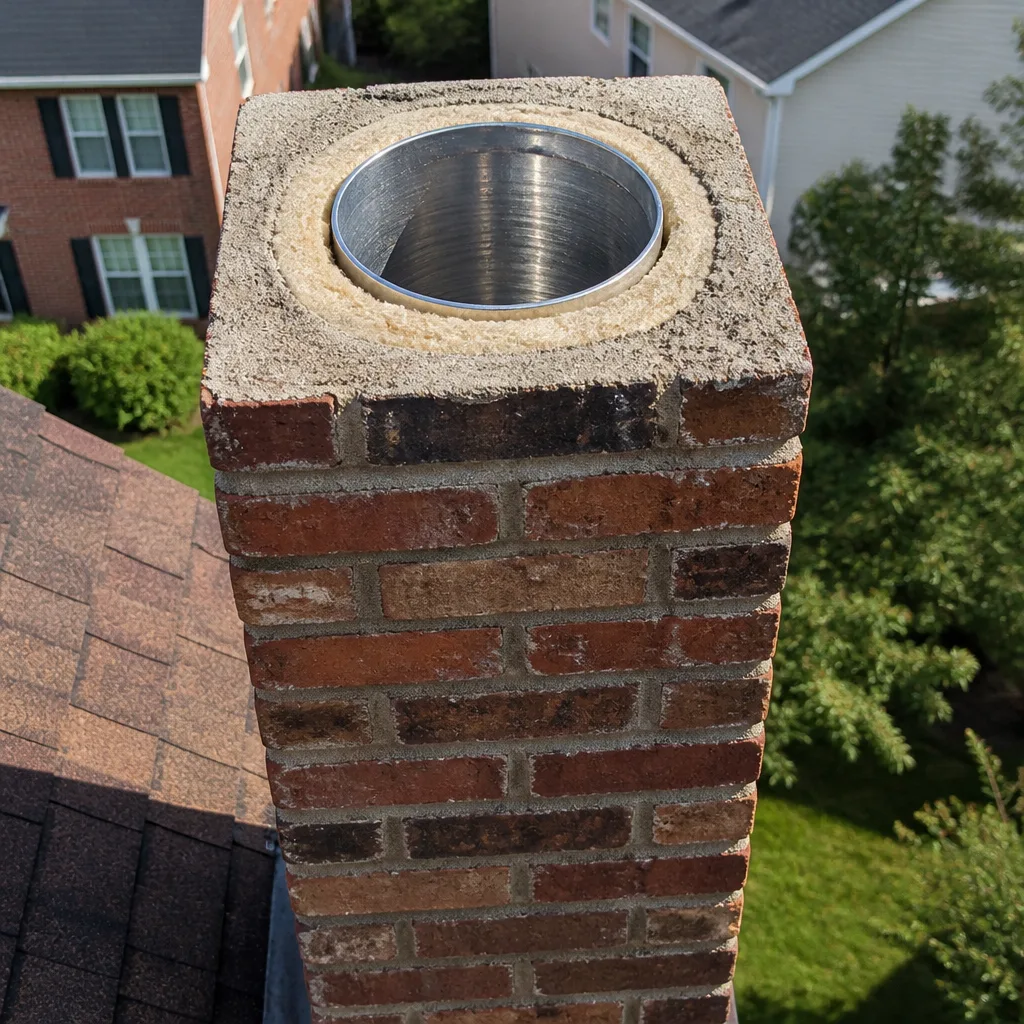 Flue relining
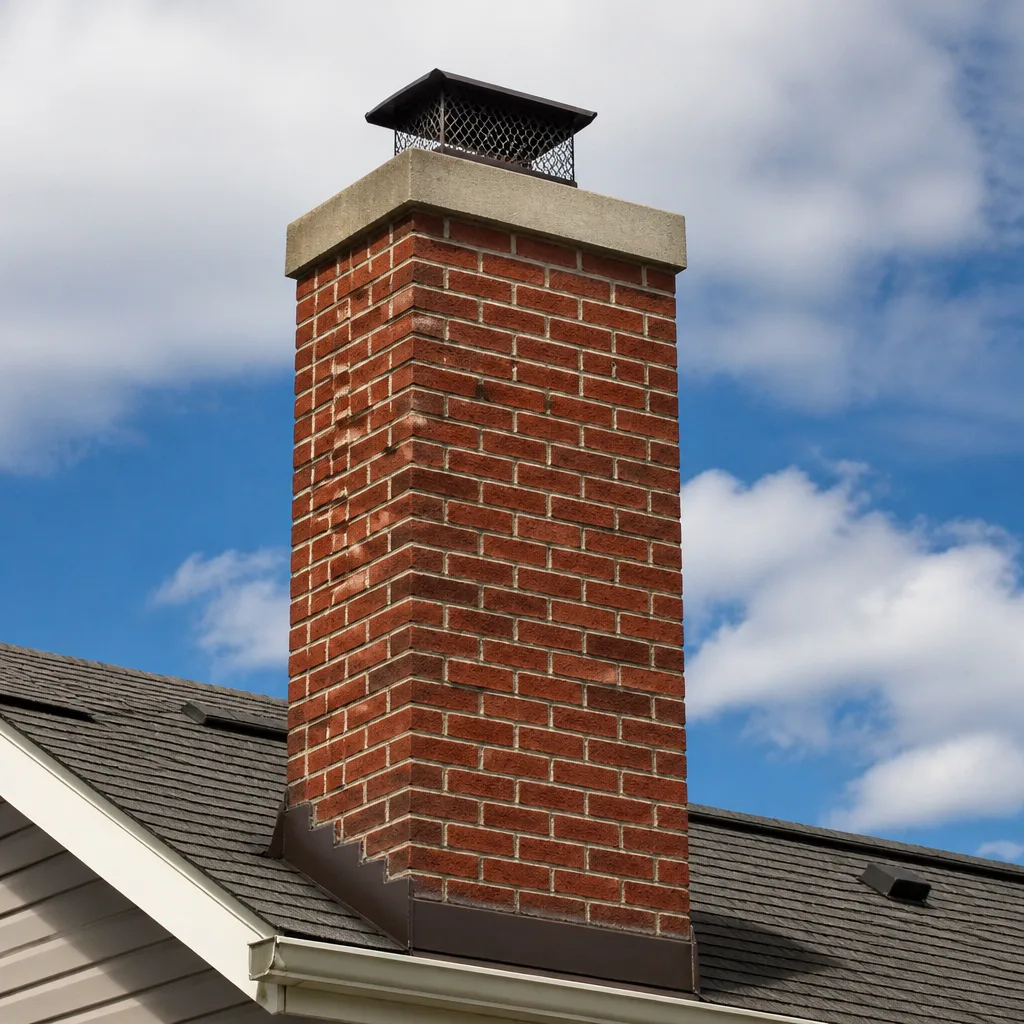 Masonry repair
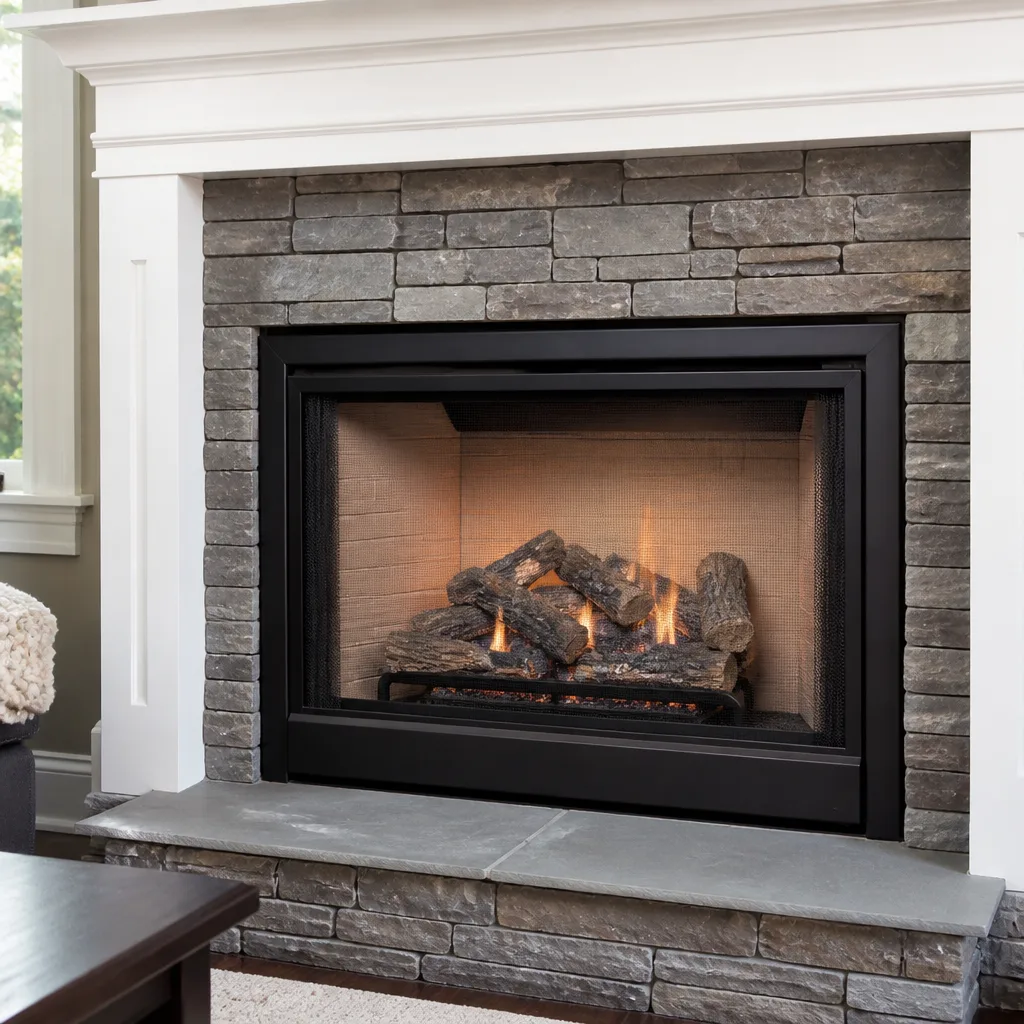 Gas fireplace service
Level 1 sweep and inspection to the NFPA 211 annual standard - flue, crown, cap, and flashing checked and photographed
Chimney sweep logs do not sweep chimneys. They loosen some creosote - which then falls where a brush and vacuum still have to collect it.
Seasonal Chimney Cleaning Care for Arvada: Year-Round Homeowner’s Guide
Most homeowners in Arvada think about their chimney twice: once when the first cold snap hits and once when a home inspector brings it up. That schedule misses the two months that matter most. The work that prevents the most expensive chimney repairs in Arvada happens in April and September, not the week before the first fire. Spring moisture and summer heat keep working on mortar and flue liners long after the last ember dies, and the freeze-thaw cycles along the Front Range accelerate that damage between heating seasons. This guide walks through a full year of chimney care in Arvada: what to check, when to book it, and how the local climate changes the repair math.
Quick Answer
Year-round chimney care in Arvada means inspecting in spring after freeze-thaw cycles, waterproofing and capping in summer, sweeping in early fall before the first burn, and watching for draft and odor changes through winter. Chimneys deteriorate fastest between seasons, not during them, so the two best times to book an inspection are April and September. A yearly sweep and inspection keeps the flue clear and catches mortar and liner problems while they’re still small repairs.
Styles & brands we work with
- Sweep & inspection
- Caps & crowns
- Flue relining
- Masonry repair
- Gas fireplace service
Table of Contents
- Why Arvada’s Shoulder Seasons Matter More Than Winter
- Spring: Inspecting After Freeze-Thaw Cycles
- Summer: Waterproofing, Caps, and Wildlife
- Fall: Timing Your Sweep Right
- Winter: Safe Burning at Altitude
- How Front Range Weather Differs From National Averages
- Your Arvada Chimney Care Calendar
- Common Mistakes to Avoid
Why Arvada’s Shoulder Seasons Matter More Than Winter
A chimney in Arvada lives through more weather changes in a single spring than many chimneys see in a year. Warm afternoon sun softens mortar, then a hard freeze that night pulls moisture out of it as ice. That cycle repeats for weeks. Each pass widens hairline cracks a little more. By the time summer heat settles in, those cracks are open doors for water.
This is why we tell homeowners that the damage window is the opposite of what they expect. Winter is when the chimney gets used, but spring and summer are when it gets hurt. The masonry soaks up moisture, the sun bakes it, and the freeze-thaw cycle cracks it open again. A chimney that goes into fall without a spring inspection in Arvada has had months to develop problems nobody saw.
Two things make this worse along the Front Range:
- Rapid temperature swings. Arvada regularly sees days where the afternoon is warm enough for short sleeves and the overnight low drops below freezing. That swing is the engine of freeze-thaw damage.
- Sustained spring wind. The Front Range wind pattern pushes water into small gaps and hits the chimney crown and cap directly. A loose cap or cracked crown doesn’t stand a chance through an Arvada spring.
The practical takeaway is simple. If you’re only inspecting your chimney in fall, you’re inspecting it after the damage has already set. A spring check catches mortar joint failure and spalling while they’re still surface problems. A fall check catches everything else. Both are worth booking.
If you’re not sure where your chimney stands right now, our chimney inspection service is built to answer that question with photos you can see for yourself.
Spring: Inspecting After Freeze-Thaw Cycles
Spring is when we find the most damage. Not because spring is hard on chimneys, but because everything that happened over the previous six months is finally visible. Arvada’s freeze-thaw cycles leave a clear signature if you know where to look, and a spring inspection is the best chance to catch it before summer heat bakes the problems in.
What to look for after the thaw
- Spalling. Spalling is when the face of a brick or mortar flake peels away. It starts as a small pockmark and grows. On an Arvada chimney, spalling is the first visible sign that water has been getting in and freezing.
- Mortar joint failure. Look for joints that are receding or crumbling. If you can dig a fingernail into the mortar between bricks, it’s failing. Sound mortar is hard and doesn’t give.
- Cracked crown. The concrete cap at the top of the chimney is where water does the most damage. A crack in the crown lets water run straight down the flue lining. Those cracks widen through the freeze-thaw cycle.
- White staining. A powdery white residue on the outside of the brick is a sign that water has been moving through the masonry and leaving minerals behind.
- Loose flashing. The metal where the chimney meets the roof. Arvada’s wind works it loose, and every loose corner is a water entry point.
Why spring inspection pays for itself
A failed mortar joint caught in April is a repointing job. The same joint missed through summer and fall is a repair that reaches into the flue and possibly the liner. If the masonry has been letting water in for a full year, the damage can extend to the firebox and the structure behind it. Spring is the cheapest possible moment to catch it, which is why a spring inspection in Arvada is worth more than the sweep that follows it.
What the inspection involves
A proper spring inspection uses a camera to see inside the flue, not just a flashlight at the cleanout. That camera tells you what the masonry can’t: whether the liner is intact, whether there’s buildup the sweep needs to remove, and whether there are gaps at joints you can’t see from the outside. We photograph what we find and show it to you before recommending a repair. You should never have to take our word for a $3,000 liner job without seeing the evidence.
That evidence also matters if you’re selling or refinancing. A documented inspection satisfies most real estate and insurance requests in Arvada, and it protects you from being told about problems that aren’t there.
For the repair side, chimney repair covers everything from crown work to relining with DuraFlex, and we’ll tell you plainly when a repair can safely wait.
Summer: Waterproofing, Caps, and Wildlife
Summer heat doesn’t hurt the chimney directly, but it does two things: it dries out the moisture that got in during spring, and it opens the door for birds, squirrels, and insects. Arvada’s warm months are also the least-used months, which makes them the best window for work that has nothing to do with fire.
The three summer jobs worth doing
- Inspect the cap and crown. The cap is the metal or mesh screen over the flue. The crown is the concrete top of the chimney. Both take direct hits from sun, rain, and wind. A missing or damaged cap lets everything in. A cracked crown lets water into the masonry. If either is failing, summer is the time to fix it, before water has a season to work its way in.
- Apply a breathable waterproofing sealant to the masonry. A breathable sealant keeps water out while letting moisture vapor escape. A non-breathable product does the opposite: it traps moisture inside, which makes spalling worse. This is the job where the product matters most, and it’s why we don’t recommend whatever sealant is sitting in a big-box aisle.
- Check for wildlife before fall. Chimneys are prime real estate for birds and squirrels in Arvada’s warm months. Nests block draft and become fuel if you light a fire before clearing them. Check the flue, install a proper cap, and get a sweep in the summer if you find anything. Waiting until fall risks a nest getting compacted into the flue.
Why waterproofing is the highest-value summer job
Every severe chimney problem we find started with water. Masonry, mortar, and concrete are porous. A chimney that’s waterproofed in summer goes into fall with a layer of protection, which means the freeze-thaw cycle that starts in October has less to work with. A chimney that skips it goes into fall wet.
This is also the time to look at the joints in the firebox. Summer is when small gaps are easiest to see and cheapest to repair. If you’ve ever had a fire that pushed smoke into the room on a windy day, the firebox or the flue above it may be the reason.
A clean flue is a safe flue, and we document both. If you want a summer assessment, chimney sweep and inspection bookings in Arvada are straightforward to arrange.
Fall: Timing Your Sweep Right
Fall is the season most homeowners think of as chimney season, and it’s the one where timing matters most. Book too early and you’ll have buildup by the time you light your first fire. Book too late and you’re waiting behind everyone else in Arvada who just remembered their chimney exists.
The right window
For most homes in Arvada, the best time to book a fall sweep is late September through mid-October. That’s after the summer is fully over, so any nesting is done, and before the first real fireplace season, so the sweep has a clean flue to work with. The exact date depends on how much you burned the previous winter and whether you’re a first-time user or a nightly burner.
How much is too much?
A general rule of thumb used across the industry: if you can see a quarter-inch or more of creosote on the flue walls, it needs sweeping. If it’s been a full season of regular burning, schedule the sweep. If you only light a handful of fires a year, a sweep every other fall is often reasonable, but an annual inspection is still worth keeping up. We’d rather tell you your chimney doesn’t need a sweep than skip one that does.
What gets checked during a fall sweep
- Flue condition. Creosote buildup, cracks, gaps, and any damage that developed over the summer.
- Draft. A quick test to confirm the flue is pulling air the way it should.
- Liner integrity. A camera inspection to see the full run of the liner, not just the top.
- Firebox and damper. The parts you interact with, checked for fit and function.
- Cap and crown. A repeat visit to whatever the summer waterproofing involved, since even a month of wind can change things.
Book early in Arvada
Fall bookings in Arvada fill up because everyone wants their sweep right before the first fire. The homes that get the date they want are the ones who called in September. If you’re calling in November, you’ll likely be waiting. For a straight answer on your chimney before the season starts, visit Arvada Chimney Cleaning.
Winter: Safe Burning at Altitude
Winter is when the chimney earns its keep, and it’s also when the smallest problems become noticeable. Arvada sits at about 5,400 feet, and the higher altitude changes how a fire burns and how a chimney drafts. Learning to read the signs in winter prevents an in-season repair or worse, a chimney fire.
Burning at altitude
At Arvada’s elevation, there’s less oxygen in the air, and a wood fire needs a good draft to burn clean. Three things help:
- Burn dry wood. Seasoned wood, ideally split and dried for a year, burns hotter and cleaner than green wood. Wet wood puts more creosote on the flue.
- Don’t overload the firebox. A small, hot fire burns better than a smoldering one. Smoldering fires are how creosote builds up quickly.
- Keep the damper open through the burn. Closing it early to save heat traps smoke in the firebox and lets creosote condense in the flue.
Seasonal signs that something’s wrong
- Smoke rolling back into the room. A sign that draft has weakened, often because the flue is partially blocked or the cap is damaged.
- A persistent smell of smoke in the house. Could be a blocked flue, a failing damper, or a firebox joint that’s pulled apart.
- Odor from the fireplace when it’s not in use. Cold air from the chimney carrying creosote smell into the room. A sign the flue needs cleaning or the cap needs attention.
- Weak draft even after a fire is well established. A sign of creosote buildup or a liner problem.
Chimney fire awareness
A chimney fire is often quiet. It can sound like a low roar or a crackle, or it can be almost silent. Any of the signs above, especially a sudden strong smell of smoke or a hot chimney, are reason to stop using the fireplace and call for an inspection. Do not try to burn out a problem. If you suspect creosote has built up, the sweep needs to happen before the next fire, not after.
This is the season when the case for an annual inspection is clearest, but the reasons for calling in a professional address themselves in the next section.
How Front Range Weather Differs From National Averages
Most chimney care advice you read online is written for a general US climate. Arvada’s climate doesn’t match that general picture in several ways that matter for chimney maintenance.
Temperature swings
A typical US climate has a gradual warm-up and cool-down through the seasons. Arvada swings hard. Days in the 60s and nights below freezing happen regularly in spring and fall. That swing is what makes freeze-thaw damage severe here, and it’s why we recommend two inspections a year rather than one.
Wind
The Front Range wind pattern is more sustained than in most of the country. Wind loads the crown, cap, and masonry. It also drives rain into small gaps in a way that a lighter climate wouldn’t. If a cap is loose or the crown has a hairline crack, Arvada’s wind will find it faster than it would in a calmer climate.
Dry winter air
Arvada’s winters are relatively dry. Indoor air is dry as well, and fires burn hot. The combination means the firebox and damper get a lot of heat with less humidity, which is one reason internal components can crack over time. A spring inspection catches the wear before it becomes a failure.
Altitude
The 5,400-foot altitude reduces oxygen, changes draft behavior, and makes fire performance more sensitive to wood quality. A chimney that drafts well in a lower-altitude home might not draw as cleanly here. This matters most for older homes with shorter flues.
None of these conditions are unusual. They’re just different from the national averages most chimney guides are written around. That’s why our recommendations for Arvada look slightly different from what a generic national guide would suggest.
Your Arvada Chimney Care Calendar
Here’s the year at a glance. This calendar assumes a wood-burning fireplace used regularly through the winter. Gas fireplaces use less fuel but still need annual inspection.
April: Spring inspection
- Book an inspection with a camera. The goal is to catch mortar joint failure, crown cracks, and spalling before summer heat sets in.
- Photograph what the technician finds. You should have documented evidence of the flue’s condition before any repair is discussed.
- Schedule any repairs that need doing. Crown repair, repointing, or liner work is easier to fit in now than in September.
- Check the flashing where the chimney meets the roof, since wind and freeze-thaw often loosen it.
May to July: Summer work
- Apply a breathable waterproofing sealant to the masonry.
- Replace or repair the cap if it’s damaged. This is the best time to check for and address wildlife problems.
- Sweep if last winter was a heavy burn season, or if the spring inspection found buildup.
September to October: Fall sweep and inspection
- Book the sweep in late September. This window gets you a clean flue without an early-season rush.
- Get a camera inspection along with the sweep. The two belong together.
- Confirm the cap, crown, and flashing are still in good shape after summer rain and wind.
- Check the firebox and damper for fit and function.
November to March: Winter watch
- Burn seasoned wood in small, hot fires.
- Watch for smoke backup, odor, and draft changes.
- If you suspect a problem, stop burning and call. Do not try to burn through it.
- Schedule the spring inspection in April, ideally before the calendar fills.
That rhythm also fits homes in the surrounding area. If you’re outside the city limits, our guide to Arvada and the surrounding neighborhoods walks through the local considerations.
Common Mistakes to Avoid
- Only inspecting in fall. Fall catches problems that already had a full summer to develop. Spring catches them while they’re still cheap. A two-inspection year costs less than the repair one inspection misses.
- Using the wrong sealant. A non-breathable waterproofing product traps moisture inside the masonry. It makes spalling worse, not better. Use a breathable product, and ask what’s being applied before it goes on.
- Skipping the camera inspection. A flashlight can’t see the full run of the flue. Without a camera, no one knows whether the liner is intact. Insist on a camera inspection and a photo report with any assessment.
- Burning green or wet wood at altitude. It burns cooler, drafts poorly, and deposits more creosote. Seasoned wood is worth the extra cost, especially at 5,400 feet.
- Waiting for a problem before booking a sweep. The sweep is cheap. The liner repair that follows a chimney fire is not. Sweep on schedule, not on alarm.
- Covering up an old cap with a new one without checking the flue. A cap failure is often the moment to inspect the rest of the chimney, not just the top of it.
- Ignoring a smell from the fireplace when it’s not in use. That smell is creosote or soot carried by cold air moving down the flue. It’s a sign the chimney needs attention, not a quirk to live with.
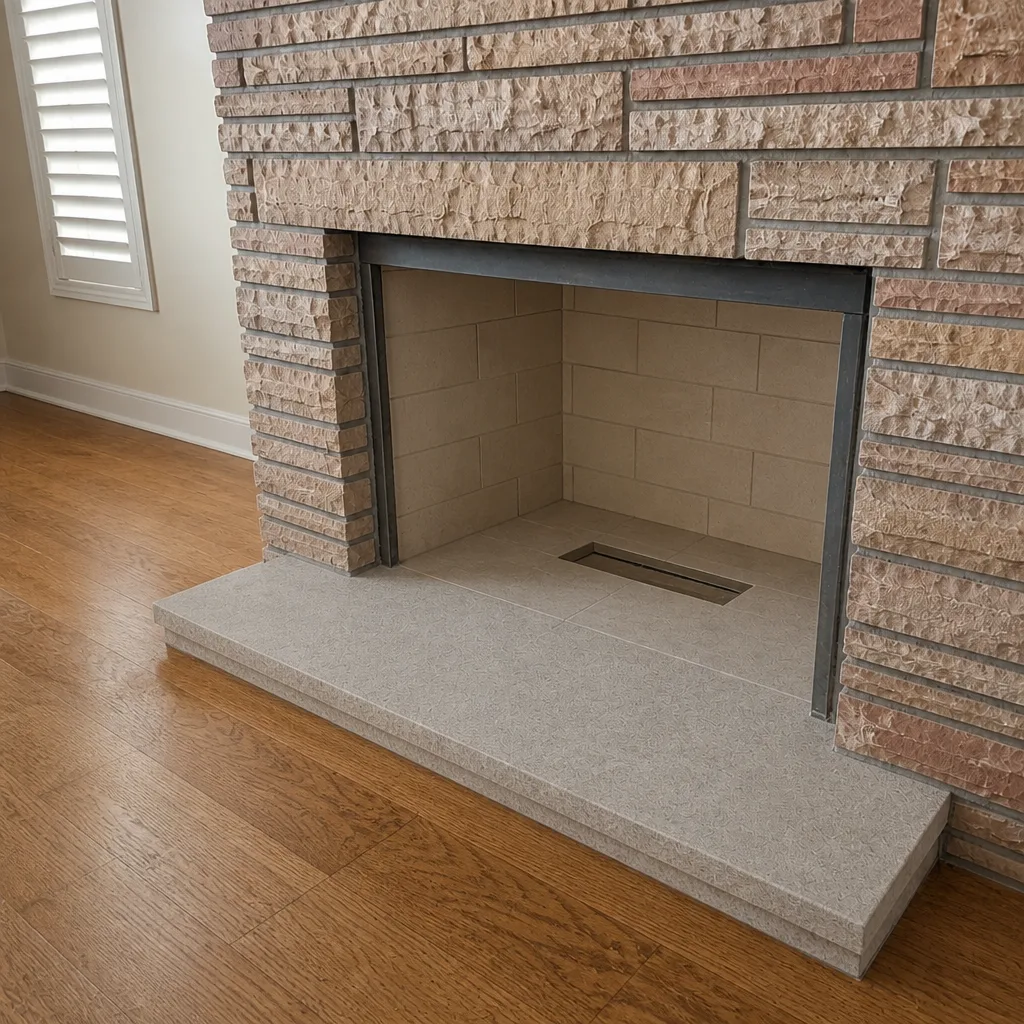
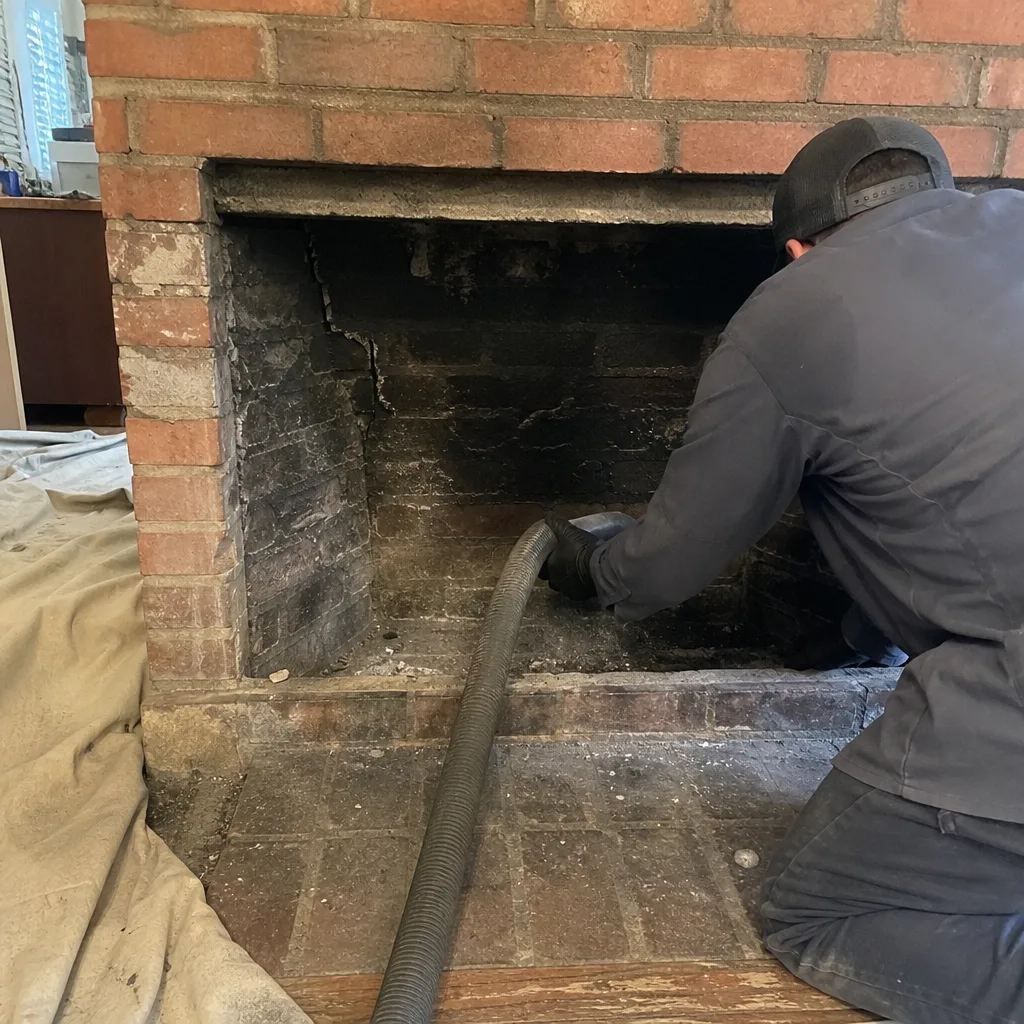
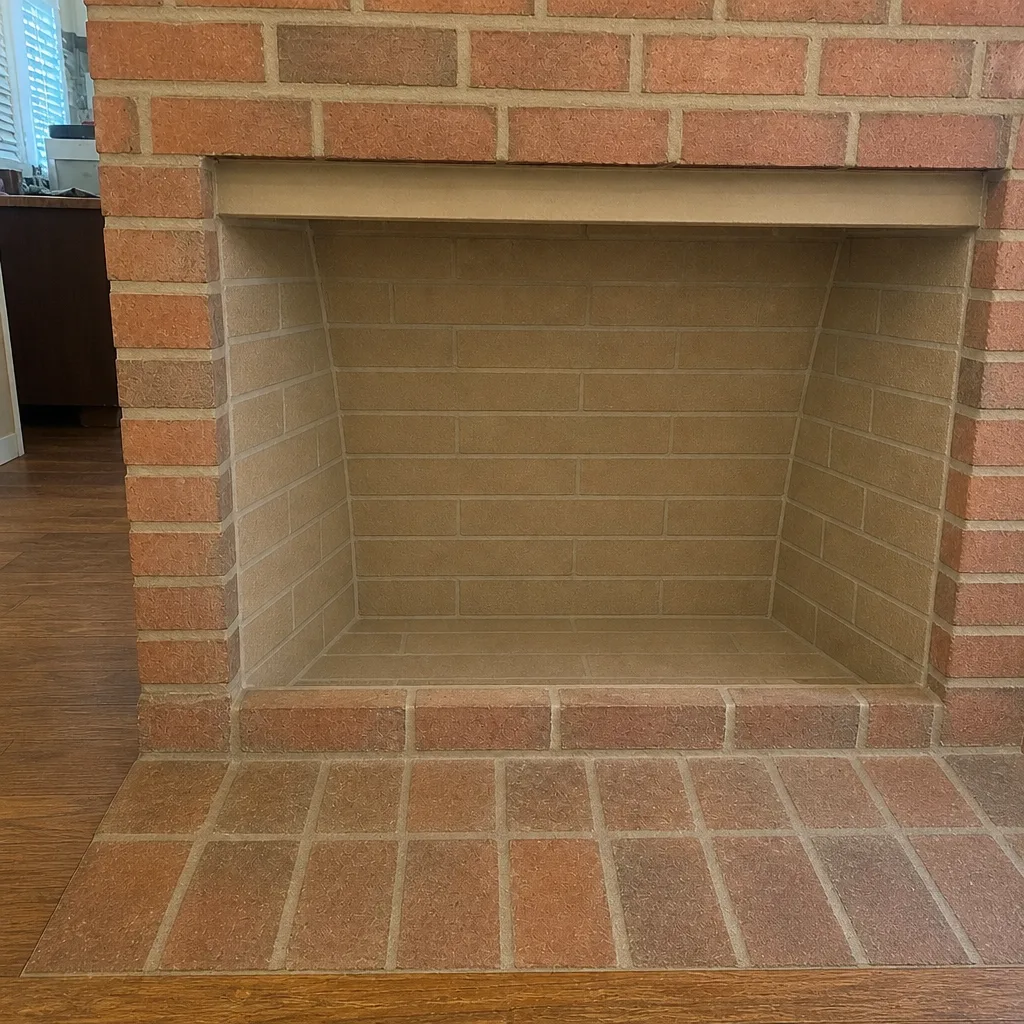
See the difference
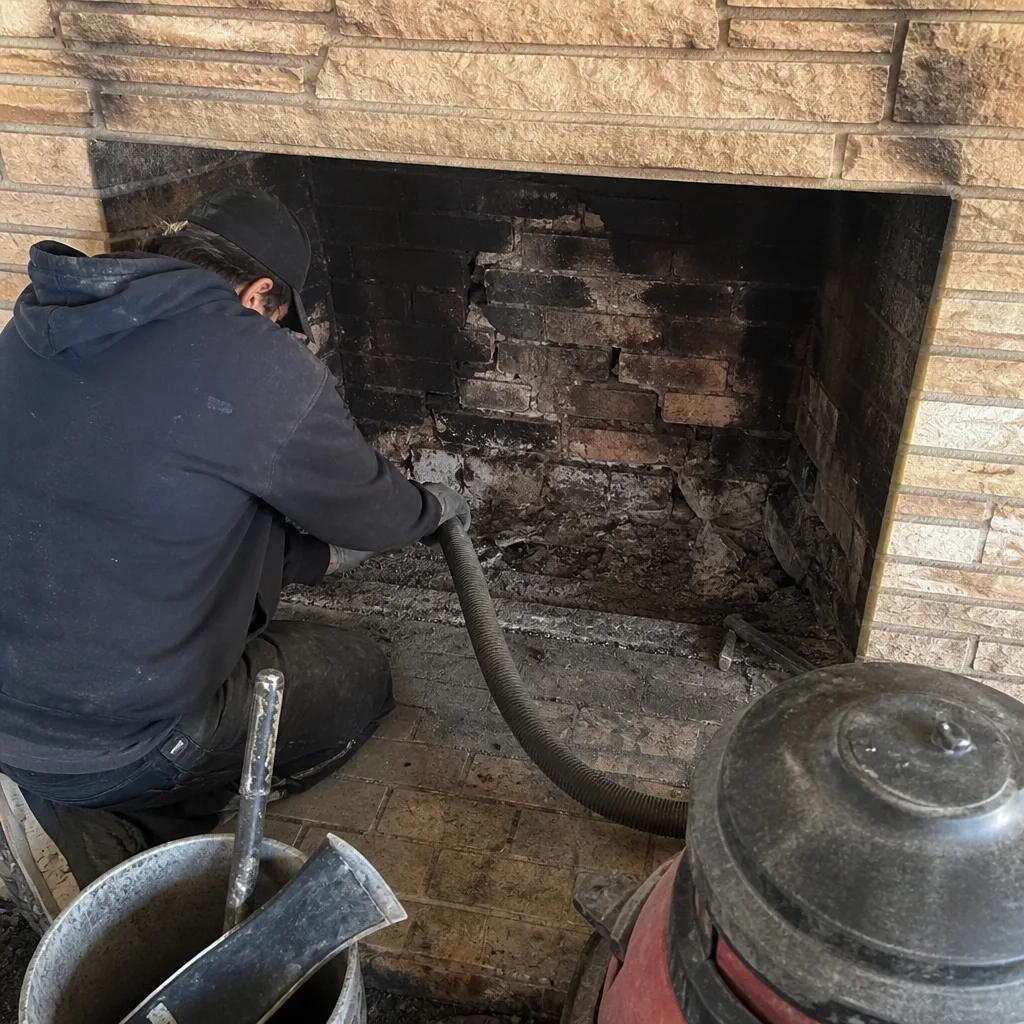 Before
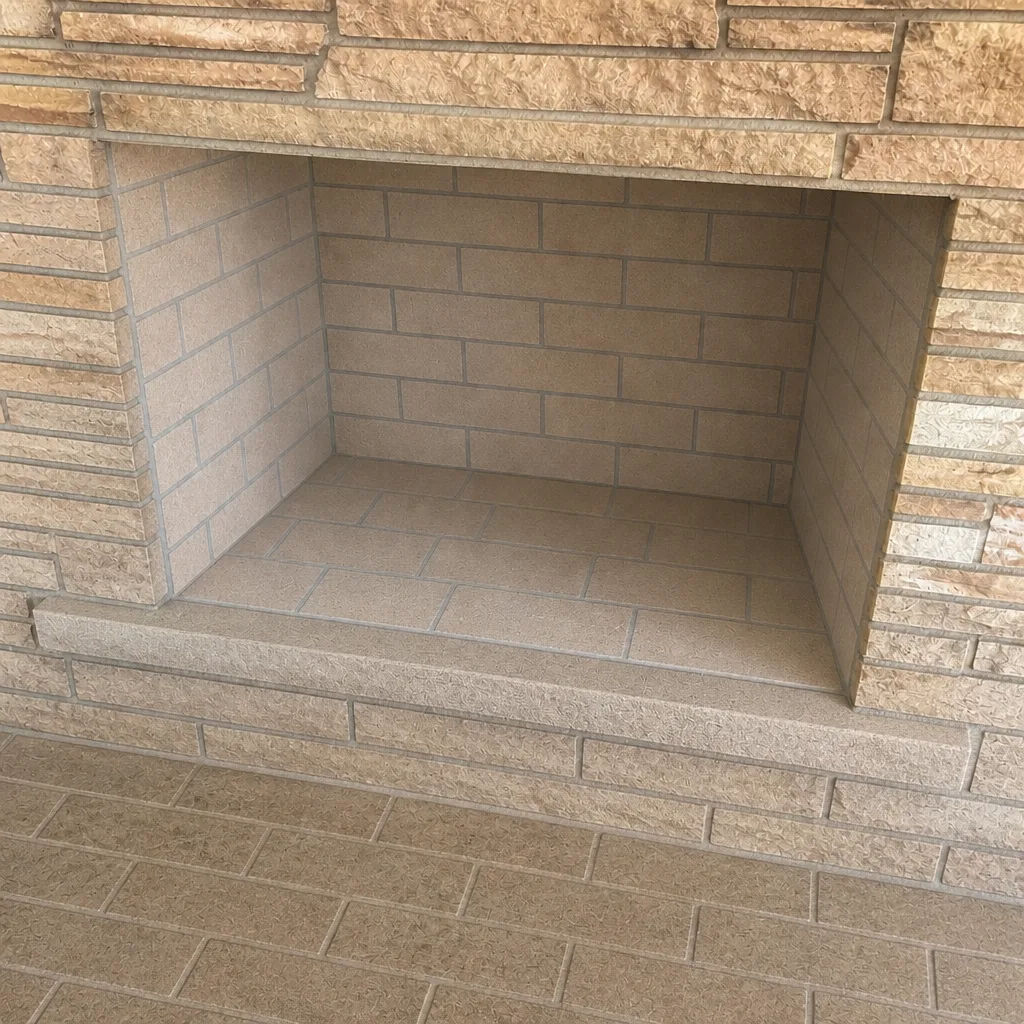 After
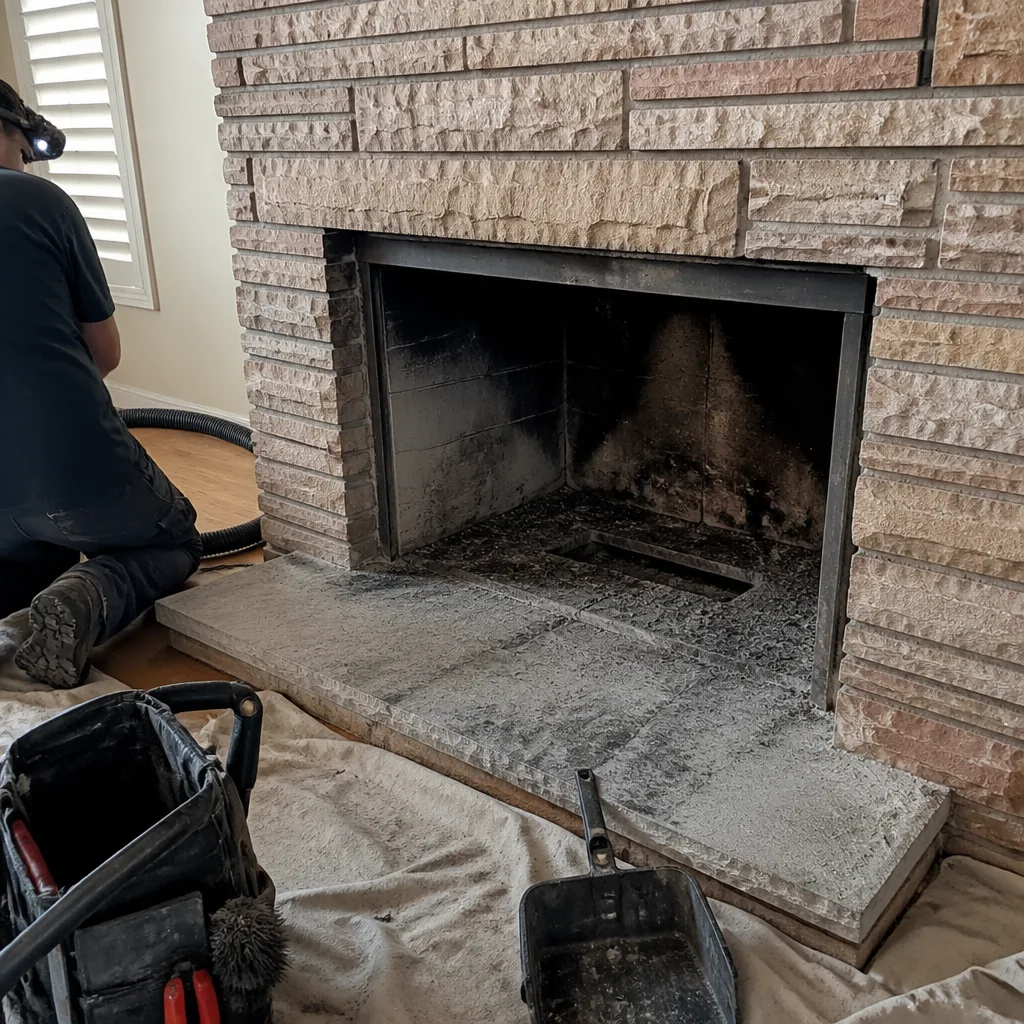 Before
 After
 Before
 After
When to Call a Professional
Some tasks are worth doing yourself. Chimney work isn’t one of them. If any of the following applies, call a professional before the next fire:
- You’ve spotted spalling, crumbling mortar, or a crack in the crown.
- The fireplace pushes smoke into the room or smells strongly when not in use.
- You haven’t had the chimney inspected in more than a year.
- You’re buying or selling a home in Arvada and need a documented assessment.
- A home inspector has flagged the chimney.
The most important reason is safety. High-tension work, liner repairs, and masonry issues are not things to diagnose with a flashlight and a ladder. A trained technician has the tools to see the problem and, if you choose, to fix it with professional-grade materials rather than a patch that fails in a season. Arvada Chimney Cleaning offers free estimates in Arvada, so you can get a real answer before you commit to anything. Call (855) 508-5717 to schedule.
Frequently Asked Questions
Most wood-burning chimneys in Arvada should be swept once a year, plus an inspection in spring. If you burn heavily through the winter, an extra sweep in summer is worth booking.
April and September are the two best months. April catches freeze-thaw damage before summer heat sets in. September gets you a clean flue before the first fire without the late-fall rush.
Yes. Arvada’s freeze-thaw cycles do the most damage between seasons, and a spring inspection catches problems while they’re still small repairs. Skipping it usually means finding the same problems in fall, when they’ve had months to get worse.
A camera inspection of the full flue, a look at the firebox and damper, a check of the crown and cap, and a photo report of what was found. The report is yours to keep, which matters when you need it for a real estate or insurance purpose. Call (855) 508-5717 for an exact quote. Estimates are free.
You can skip the sweep in some years, but you shouldn’t skip the inspection. A camera inspection founds whether there’s a problem even if the flue looks clean from the top. For an exact quote on an inspection, call (855) 508-5717.
Waterproofing is one of the easier tasks, but the product matters more than the effort. A non-breathable sealant can make spalling worse. If you’re not sure what’s already on the masonry, an inspection is the right first step. Call (855) 508-5717 for an exact quote. Estimates are free.
The Bottom Line
Chimney care in Arvada runs on a year-round rhythm, not a fall checklist. Spring is when freeze-thaw damage shows itself, so that’s when the camera inspection matters most. Summer is when waterproofing and cap work keep the water out. Fall is the right time to sweep, ideally in late September, before the first fire and before the schedule fills. Winter is when you watch for the signs that something’s wrong and stop burning if you see them. Two inspections a year costs less than the repair one missed call would have caught. If you’d like a straight answer on your chimney’s condition, call us. We answer 24/7. Fast dispatch from 7am to 7pm, Sunday through Friday.
Arvada Chimney Cleaning offers a free estimate on any sweep, inspection, or repair job in Arvada. Call (855) 508-5717 to get started.
Written by the team at Arvada Chimney Cleaning.